






The Deceptive Cool-Down
We've all felt it: a brief, welcome drop in temperature as rain begins to fall. This happens because the falling raindrops and the evaporation from wet surfaces initially absorb heat from the air and ground. It's a temporary respite that feels like the worst
of the heatwave has broken. However, what happens next is what really matters. That same water that just cooled the ground begins to evaporate, pumping huge amounts of moisture into the atmosphere. This process dramatically increases the humidity, setting the stage for a different, and often more dangerous, kind of heat.
Humidity: The Body's Real Enemy
The core of the problem isn't just the temperature on the thermometer; it's the humidity in the air. Our primary way of cooling down is by sweating. As sweat evaporates from our skin, it carries away body heat. But this natural air conditioning system has a major flaw: it stops working when the air is already full of water. High humidity means the air is saturated with moisture, so your sweat can't evaporate efficiently. Instead, it clings to your skin, trapping heat and leaving you feeling sticky, clammy, and increasingly hot. Your body continues to produce sweat, leading to dehydration without the cooling benefit.
Understanding the Heat Index
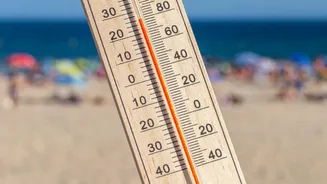
This is why meteorologists and health experts urge us to pay attention to the Heat Index, often called the "feels-like" temperature. The Heat Index combines the actual air temperature with the relative humidity to give a much more accurate picture of the stress on the human body. For example, a day with a temperature of 32°C might feel manageable with low humidity. But after a rainstorm, that same 32°C with 80% humidity can feel like a staggering 44°C. This is not an exaggeration; it's a measure of the real strain your body is under as it struggles to cool itself in the moisture-laden air.
The Danger of 'Wet-Bulb' Temperature
An even more critical measure gaining attention is the 'wet-bulb temperature'. This metric indicates the lowest temperature your skin can reach through evaporative cooling. When the wet-bulb temperature gets too high, typically above 32°C, the body can no longer cool itself at all, even in the shade with unlimited water. Prolonged exposure to such conditions can lead to hyperthermia, organ failure, and is considered a hard limit for human survivability. Post-rain environments, with their combination of high heat and near-total humidity, can push conditions dangerously close to these critical wet-bulb thresholds.
Know the Warning Signs
In this kind of humid heat, it's crucial to recognize the signs of heat-related illness. Heat exhaustion often comes first, with symptoms like heavy sweating, dizziness, fatigue, a weak pulse, nausea, and muscle cramps. If you experience these, you must move to a cooler place, loosen your clothing, and sip cool water. If left untreated, heat exhaustion can escalate to heatstroke, which is a medical emergency. Signs of heatstroke include a high body temperature (above 103°F or 39.4°C), hot and red skin (which may be dry or damp), a rapid pulse, confusion, and potential unconsciousness. Immediate medical help is required.
How to Stay Safe in the Post-Rain Swelter
When faced with high humidity after rain, you need to adjust your strategy for staying cool. Staying indoors in an air-conditioned space is the most effective solution. If you must be outside, try to limit activity to the cooler morning and evening hours. Wear lightweight, loose-fitting, and light-colored clothing; fabrics designed to wick moisture away from the skin are especially helpful. Drink more water than you think you need, even if you don't feel thirsty, but avoid sugary drinks and alcohol, which can dehydrate you further. Taking cool showers or baths can also provide significant relief. Remember, the absence of bright sunshine is not a reliable signal of safety.