



The Bathroom: Your Biggest Opportunity
The single greatest use of domestic water in most Indian households happens in the bathroom. According to some estimates, bathing and sanitation can account for a significant portion of daily water consumption. A 10-minute shower using a standard showerhead
can consume 80 to 150 litres of water. In contrast, a traditional bucket bath uses only about 15 to 20 litres. The choice is clear: switching from a long shower to a bucket bath is the most impactful change you can make. A family of four making this switch could save over 180 litres a day. While shorter showers are better than long ones, the controlled volume of a bucket bath offers unparalleled water savings, making it an environmentally and economically wise choice, especially when water is scarce.
Laundry Loads: Full is Best
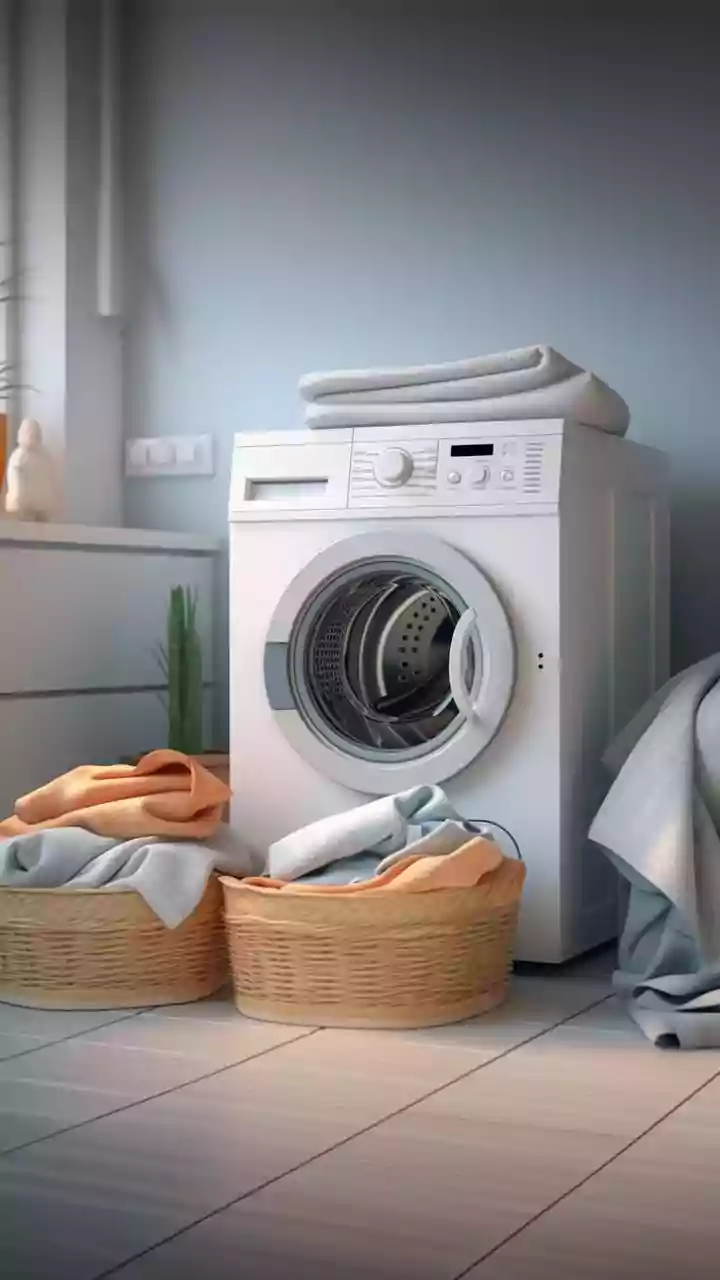
Following closely behind bathing is the water used for washing clothes. An average top-loading washing machine can use a substantial amount of water per load. The key principle here is efficiency: always run your machine with a full load. Washing two half-loads consumes significantly more water and electricity than washing one full load. If you frequently have small batches of clothes to wash, consider hand-washing them in a bucket rather than running the machine. Pre-treating stains can also prevent the need for re-washing, saving another cycle's worth of water.
Kitchen Strategy: Rethink RO and Dishwashing
The kitchen is another area of high water usage. A common but often overlooked source of waste is the Reverse Osmosis (RO) water purifier. Traditional RO systems are notoriously inefficient, wasting three to four litres of 'reject water' for every one litre of purified water they produce. Modern systems are improving, some reaching a 1:1 ratio, but wastage is inherent. Instead of letting this water go down the drain, collect it. While not safe for drinking, this reject water is perfect for mopping floors, pre-rinsing laundry, watering hardy plants, or washing your car. Similarly, when washing dishes, avoid letting the tap run continuously. Soaking utensils in a basin first is a far more water-efficient method than washing them under a running stream.
The Silent Drain: The Urgency of Fixing Leaks
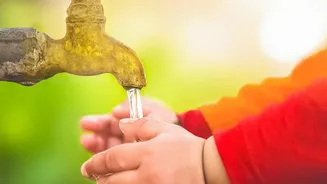
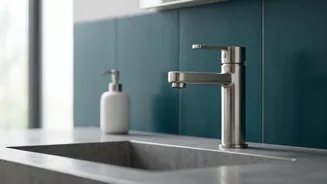
A slow, dripping tap might seem like a minor annoyance, but its cumulative effect is staggering. A single faucet dripping once per second can waste over 11,000 litres of water in a year. A leaky toilet is even worse, potentially wasting up to 200 gallons (over 750 litres) of water every single day. These leaks represent a constant drain not just on our reservoirs, but also on your wallet, with studies showing that fixing leaks can save about 10% on water bills. Regularly checking for leaks in toilets, taps, and pipes and fixing them immediately is one of the most crucial maintenance habits for water conservation. Don't underestimate the impact of a tiny, persistent drip.
Small Habits Still Count
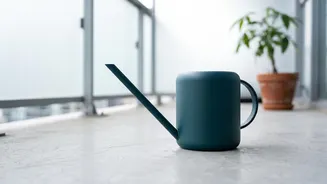
While the habits above provide the biggest savings, smaller actions collectively contribute to a culture of conservation. Turning off the tap while brushing your teeth or shaving can save several litres each time. Sweeping driveways instead of hosing them down and using a watering can for plants instead of a pipe are other simple yet effective practices. These habits might not save as much water as switching to a bucket bath, but they reinforce a mindful approach to water usage. When an entire community adopts these small changes, the combined effect on local water resources becomes significant.