






Understanding the 'Danger Zone'
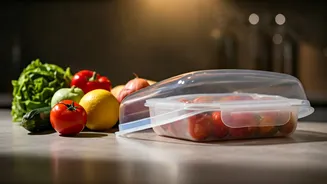
The most important rule in summer food safety is understanding the 'temperature danger zone'. According to food safety agencies like the Food Safety and Standards Authority of India (FSSAI), this is the range between 5°C and 60°C. Within this range, especially
at the warmer end, bacteria that cause foodborne illnesses can multiply rapidly, sometimes doubling in number every 20 minutes. The cardinal rule is to not leave perishable food out for more than two hours. However, if the outdoor temperature is above 32°C (around 90°F), this window shrinks to just one hour. When in doubt, the safest option is to throw it out.
The Obvious Risks: Meat, Poultry and Seafood
This is likely no surprise. Raw and cooked meat, poultry, and seafood are high-risk items. They are protein-rich and moist, making them ideal breeding grounds for bacteria. When packing for a picnic or serving at a barbecue, it is critical to keep these items cold (below 5°C) until they are cooked, and to keep them hot (above 60°C) after they are cooked. Never place cooked meat on a platter that previously held raw meat, as this can cause cross-contamination. Seafood is particularly susceptible and can spoil even faster than other proteins, making it a significant risk in non-coastal areas during summer.
The Sneaky Spoilers: Cooked Rice and Pasta
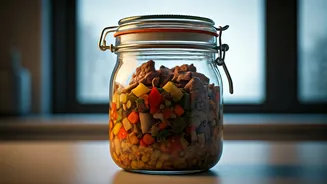
Many people underestimate the risk posed by cooked starches like rice and pasta. Cooked rice, a staple in many Indian households, can contain spores of a bacterium called Bacillus cereus. These spores can survive the cooking process and, if the rice is left at room temperature for too long, they can germinate and produce toxins that cause food poisoning. Similarly, cooked pasta, especially when mixed with sauces, creates a moist environment where bacteria can flourish. It is crucial to refrigerate these leftovers within one to two hours of cooking.
Salads and Dressed Dishes
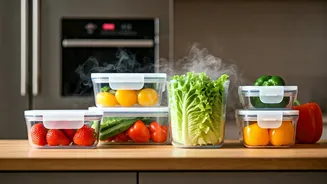
That creamy potato salad, coleslaw, or pasta salad is a picnic favourite, but also a major hazard. Dishes made with mayonnaise, dairy, or eggs are extremely perishable. The same goes for Indian dishes like curd rice or anything with a paneer or cream-based gravy. Curd and other dairy products can curdle and spoil rapidly in the heat. Even leafy green salads can wilt and become slimy, and once fruits and vegetables are cut, their protective skin is broken, making them vulnerable to bacteria. A smart tip is to keep dressings separate and only add them just before serving.
Cut Fruits and Leftover Desserts
A platter of freshly cut fruit is refreshing, but it's also a ticking clock. Once sliced, fruits like melon, mango, and pineapple lose their natural protection. Their exposed, moist flesh is an open invitation for bacteria. Cut fruit should be refrigerated promptly and eaten within a couple of days. Leaving a bowl of cut fruit out during a long brunch is a common mistake that can lead to spoilage. The same caution applies to milk-based sweets and desserts. Items like kheer, fruit custards, or cream-filled pastries can turn quickly and should be kept chilled right until they are served.
Eggs and Egg-Based Dishes
Whether they are boiled, scrambled, or in a quiche, eggs are a high-risk food. Cooked eggs are more perishable than raw ones and can spoil much faster than people realize, especially in warm weather. FSSAI specifically advises storing eggs in the refrigerator during hot weather and avoiding any raw or undercooked preparations. An egg salad sandwich or an egg bhurji roll packed for lunch can become unsafe within a few hours if not kept properly chilled. Always handle egg dishes with extra care during the summer months.