



The Great Indian Carb Myth
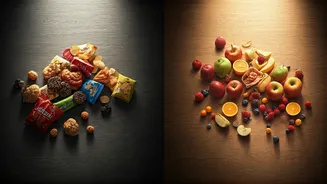
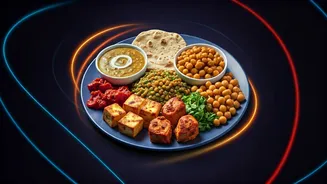
Let's clear the air. The idea that Indian food is unhealthy often comes from restaurant-style dishes, which can be rich with cream and butter. However, traditional home-cooked Indian meals are fundamentally balanced. The classic thali, for instance, is a masterclass
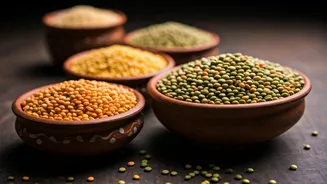
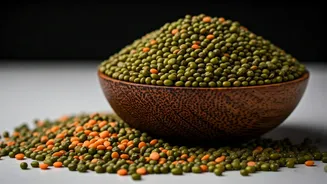
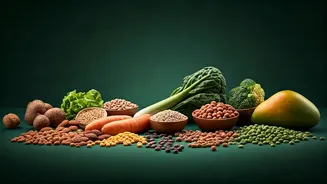
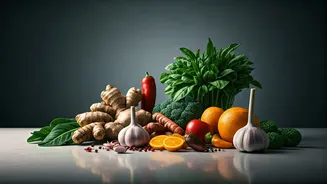
in nutrition, designed to include protein, complex carbohydrates, vegetables, and healthy fats in one meal. Spices like turmeric and ginger, used for flavour, also have health benefits like anti-inflammatory properties. Daily Indian cooking relies on lentils (dal), legumes, fresh vegetables, and whole grains—all nutritional powerhouses that have been fueling the subcontinent for centuries.
Building Your Plate: The Protein Hero
Every powerful plate starts with a protein anchor. This is crucial for muscle repair, satiety, and keeping you full longer. Fortunately, Indian cuisine is overflowing with options. For vegetarians, paneer, tofu, lentils (like moong and masoor), and legumes (like chickpeas and kidney beans) are stellar choices. A single serving of paneer or a hearty bowl of dal can significantly boost your protein intake. For non-vegetarians, lean choices like chicken breast, fish, and eggs are easily integrated into Indian cooking, whether in a simple curry, a dry stir-fry, or a tandoori-style grill. The goal is to make protein the star of your plate, not an afterthought.
Smart Carbs and Vibrant Veggies
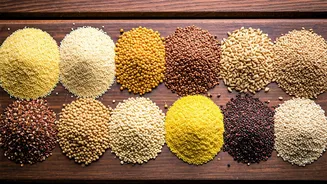
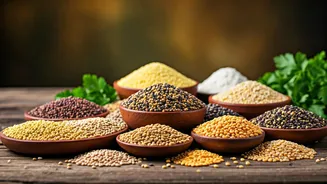
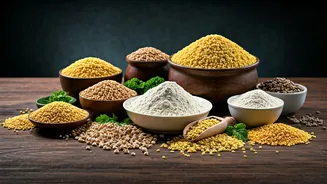
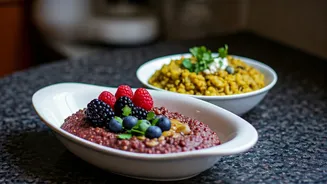
Carbohydrates are not the enemy; they are essential for energy. The key is choosing complex carbs that provide a steady release of fuel. Swap refined white rice for brown rice or millets, and choose whole wheat rotis over naan. These options are higher in fibre and nutrients. Next, load up your plate with vegetables. A simple sabzi, a fresh kachumber salad, or a side of sautéed greens adds fibre, vitamins, and minerals with minimal calories. A balanced plate should have as much colour from vegetables as it does from your carbs and proteins.
Vegetarian Power Plates
Creating a high-protein vegetarian Indian meal is simple and delicious. A well-planned thali naturally combines different plant proteins to ensure you get a complete amino acid profile. Think about classic pairings like dal with rice or rajma with roti. Here’s an example: A bowl of rajma curry, a serving of palak paneer (spinach and cottage cheese), a small portion of brown rice, and a side of cucumber raita. This plate delivers a triple-hit of protein from the kidney beans, paneer, and yogurt, along with fibre from the spinach and complex carbs from the rice. Another excellent option is a couple of moong dal chillas stuffed with crumbled paneer.
Lean Non-Vegetarian Options
For those who eat meat, Indian cuisine offers countless ways to prepare lean protein that are flavourful without being heavy. Tandoori-style cooking, which involves marinating meat in yogurt and spices before grilling, is a fantastic low-fat method. A plate with grilled chicken tikka, a vibrant chickpea salad, and a mint-yogurt dip is both satisfying and macro-friendly. Simple fish curries, made with a tomato-onion base instead of heavy cream, are another excellent choice, providing protein and healthy omega-3 fatty acids. Even egg bhurji (spiced scrambled eggs) paired with a millet roti makes for a quick, protein-rich meal.
Don't Forget Healthy Fats and Probiotics
Finally, complete your plate with healthy fats and probiotics. A small dollop of ghee on your roti, a handful of nuts, or the use of cold-pressed oils in cooking can provide essential fatty acids. A serving of plain curd or a glass of buttermilk (chaas) is a fantastic source of probiotics, which aid digestion and support gut health. These finishing touches transform a simple meal into a well-rounded, nourishing plate that supports all your wellness goals without sacrificing the authentic flavours of Indian food.