




The Enduring Appeal of Clay
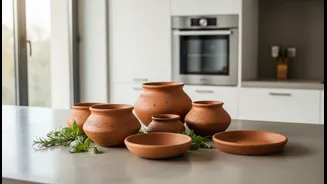
For centuries, cooking in clay pots, or 'handis', has been an integral part of Indian culinary tradition. The appeal goes far beyond simple nostalgia. Clay is a porous material, which allows heat and moisture to circulate evenly, resulting in gentle,
slow cooking that keeps food tender and flavourful. This process helps retain nutrients that can be lost with high-heat metal cookware. Furthermore, clay is naturally alkaline, which helps to neutralize the pH balance of acidic foods like tomato-based curries, lending them a subtle sweetness. This not only enhances the taste but can also make the food easier to digest.
The Modern Urban Kitchen Dilemma
Despite these benefits, traditional terracotta has often been sidelined in contemporary urban life. The primary challenges are space and convenience. Urban apartments typically feature compact, modular kitchens where every square inch counts. Traditional handis, with their round bottoms and wide shapes, are notoriously difficult to store efficiently. They don't stack, occupying precious cabinet real estate. For many, the desire for traditional, healthy cooking methods clashes with the practical reality of a small, modern living space that demands efficiency and smart storage solutions.
A Space-Saving Renaissance
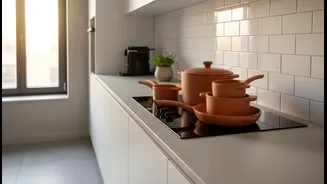
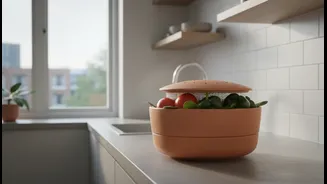
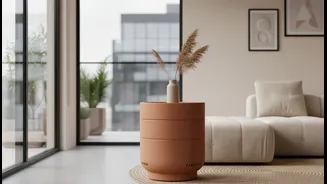
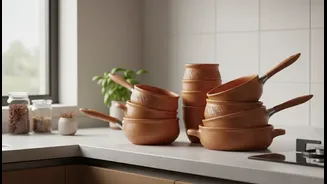
Addressing this challenge head-on, a new generation of artisans and brands is giving terracotta a much-needed makeover. The core innovation lies in creating stackable and modular designs. Imagine clay pots that nest neatly inside one another, much like modern stainless-steel cookware sets. Some brands are offering sets with flat bases and straight sides, making them far more stable on gas stoves and easier to store in cupboards. There are now stackable terracotta pots available, specifically designed to maximize vertical space. This new approach means a full set of traditional cookware can occupy the footprint of a single large pot.
Functionality Meets Modern Aesthetics
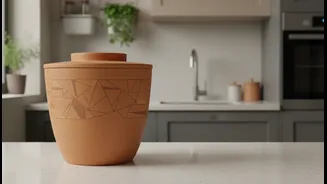
The redesign isn't just about saving space; it's also about versatility and style. Many of these modern clay pots are designed to be multi-functional, beautiful enough to go from the stove directly to the dining table as serving dishes. This 'cook-and-serve' functionality reduces the number of vessels needed, further saving space and reducing washing-up. The aesthetic has also been updated. While retaining the earthy charm, many new designs feature sleeker lines, contemporary finishes, and even options like 'black pottery', which undergoes a second high-temperature firing to give it a striking look and enhanced durability. These pieces are made not just for cooking, but for display, fitting seamlessly into the modern home's aesthetic.
What to Look For When Buying
As this trend grows, it’s important to choose quality products. The most crucial factor is ensuring the pot is 100% natural and unglazed, or if glazed, guaranteed to be free of lead and other toxins. Reputable sellers will be transparent about their materials and firing processes. Many brands now offer pre-seasoned pots, which are ready to use, but most will require seasoning—typically by soaking in water for several hours before the first use to prevent cracking. Also, check for compatibility with your stovetop. While most are designed for gas stoves, it's always wise to confirm. By supporting brands that work with local artisans, you not only get a healthy, beautiful product but also help preserve a timeless craft.