

When Is Janmashtami 2026?
The first step is locking in the date. In 2026, Krishna Janmashtami will be celebrated on Friday, September 4. While you might see references to September 5, that day is for follow-up festivities like Nandotsav and Dahi Handi. The main event—the birth
of Lord Krishna—is commemorated at midnight on September 4. The crucial Ashtami Tithi begins early on September 4 and concludes just after midnight, technically ending in the first few minutes of September 5. For all planning purposes, your focus should be on the night of September 4.
What Are the Key Temple Timings?
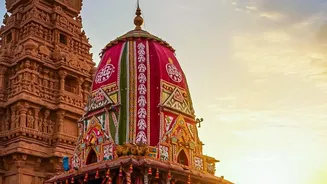
The entire region buzzes with activity, but two epicentres are the Shri Krishna Janmabhoomi in Mathura and the Banke Bihari Temple in Vrindavan. On Janmashtami, their schedules are unique. The Janmabhoomi complex, the site of Lord Krishna's birth, holds its main puja and abhishek (ceremonial bath) at midnight. To witness this, you must arrive hours in advance due to immense crowds and security. At Vrindavan's Banke Bihari Temple, the Mangala Aarti is performed only once a year on Janmashtami night. The temple holds a special midnight darshan that opens around 2 AM and continues until early morning. The Mangala Aarti itself happens around 3:30 AM. For other temples like Prem Mandir, aim for early evening slots to enjoy the light shows before the midnight rush paralyzes traffic.
How Will Traffic and Routes Be Managed?
Expect extensive traffic diversions and restrictions. Based on patterns from previous years, authorities will likely declare Mathura and Vrindavan as no-entry zones for outside vehicles for a few days around the festival. Major routes from Delhi, Agra, and other cities will be diverted. Police typically set up over 100 barriers, and vehicles are directed to dozens of designated temporary parking areas on the outskirts. From these parking lots, you will have to proceed on foot or use designated e-rickshaw shuttles for the last-mile connectivity. If you are driving, plan to arrive a day early, park your vehicle at your hotel or a designated lot, and do not expect to use it again until you leave.
What's the Best Way to Travel Between Mathura and Vrindavan?
The 12-kilometre distance between Mathura and Vrindavan becomes a significant hurdle during Janmashtami. While normally a 30-minute ride by auto-rickshaw or taxi, this can take hours during the festival. Authorities often restrict vehicle movement on this route. Your best bet is to rely on local transport like shared autos and e-rickshaws, but be prepared for them to be packed and to navigate through immense crowds. Many pilgrims choose to walk part of the way. The most practical strategy is to pick one town as your base for the main midnight celebration. Trying to witness the Janmabhoomi midnight puja and then rushing for the Banke Bihari Mangala Aarti is logistically almost impossible. Choose one and immerse yourself fully.
How to Navigate the Crowds?
The biggest challenge is the sheer number of people. Millions of devotees descend on this small area. It's crucial to be mentally and physically prepared. Arrive at your chosen temple hours before you hope to get darshan. Carry water, but travel light. Keep your phone charged and have a power bank. Fix a meeting point with your group in case you get separated, as mobile networks can be unreliable. For darshan at the main temples, especially with family, avoid the peak crush right at midnight. Going slightly earlier or being prepared to wait until the early morning hours can sometimes offer a slightly less chaotic experience. Prioritize safety over trying to see everything.
A Note on Accommodation and Logistics
If you are reading this and haven't booked your stay, do it immediately. Hotels, guesthouses, and dharamshalas get fully booked months in advance. The same applies to train and bus tickets. When booking accommodation, check its proximity to the temples you plan to visit, but also consider its accessibility from the main roads where your taxi or bus will likely have to drop you. Arriving at least a day before September 4 is highly advisable to settle in and understand the local layout before the full restrictions and crowds descend. This journey is a test of devotion and patience, and planning ahead is the first step toward a fulfilling experience.