



Why Protein is a Priority
For young people, and especially teenagers, protein is the fundamental building block for nearly everything. During these years of rapid growth, protein supports the development of muscles, bones, and tissues. It's also vital for creating hormones and enzymes
that manage metabolism and body processes. For active teens, adequate protein is crucial for muscle repair and building stamina. Furthermore, it plays a key role in brain function, helping to produce neurotransmitters essential for focus and learning, which is especially important during school years. While adults need about 0.8 grams of protein per kilogram of body weight, teenagers aged 14-18 require slightly more, at around 0.85 grams per kilogram.
The Humble Power of Lentils (Dal)
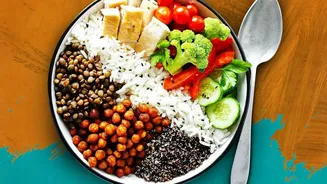
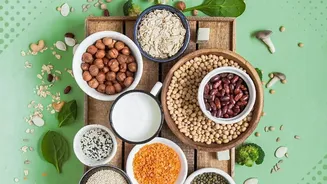
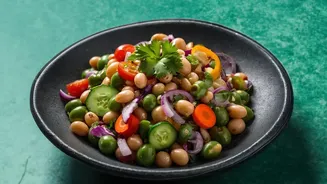
Lentils, the foundation of countless Indian meals, are a nutritional powerhouse. They are an excellent source of plant-based protein, and they come packed with dietary fibre, which promotes gut health and provides a feeling of fullness. While incredibly nutritious, most lentils are not 'complete' proteins on their own, meaning they are low in one or two essential amino acids. However, this is easily solved by pairing them with grains like rice or roti, a combination that has been a staple of the Indian diet for centuries for this very reason. Red lentils are great for thick dals and soups, while brown and green lentils hold their shape well in salads and pilafs.
Paneer: The Familiar Favourite
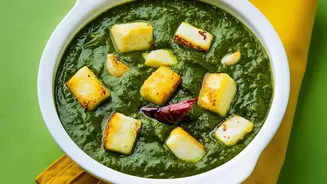
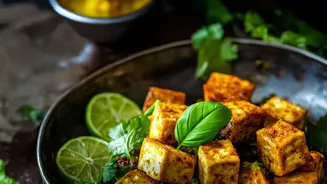
Paneer is often the go-to protein for vegetarians in India, and for good reason. As a dairy product, it provides a 'complete' protein, containing all nine essential amino acids required for muscle repair and growth. Per 100 grams, paneer typically offers more protein than tofu, ranging from 15 to 25 grams. It is also a fantastic source of calcium, which is vital for developing strong bones. While paneer is higher in calories and saturated fat compared to tofu, it can be a valuable part of a balanced diet, especially for young people with higher energy needs. Its versatility in dishes from paneer bhurji to palak paneer makes it an easy and delicious addition to any meal.
Tofu: The Modern All-Rounder
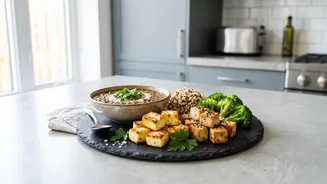
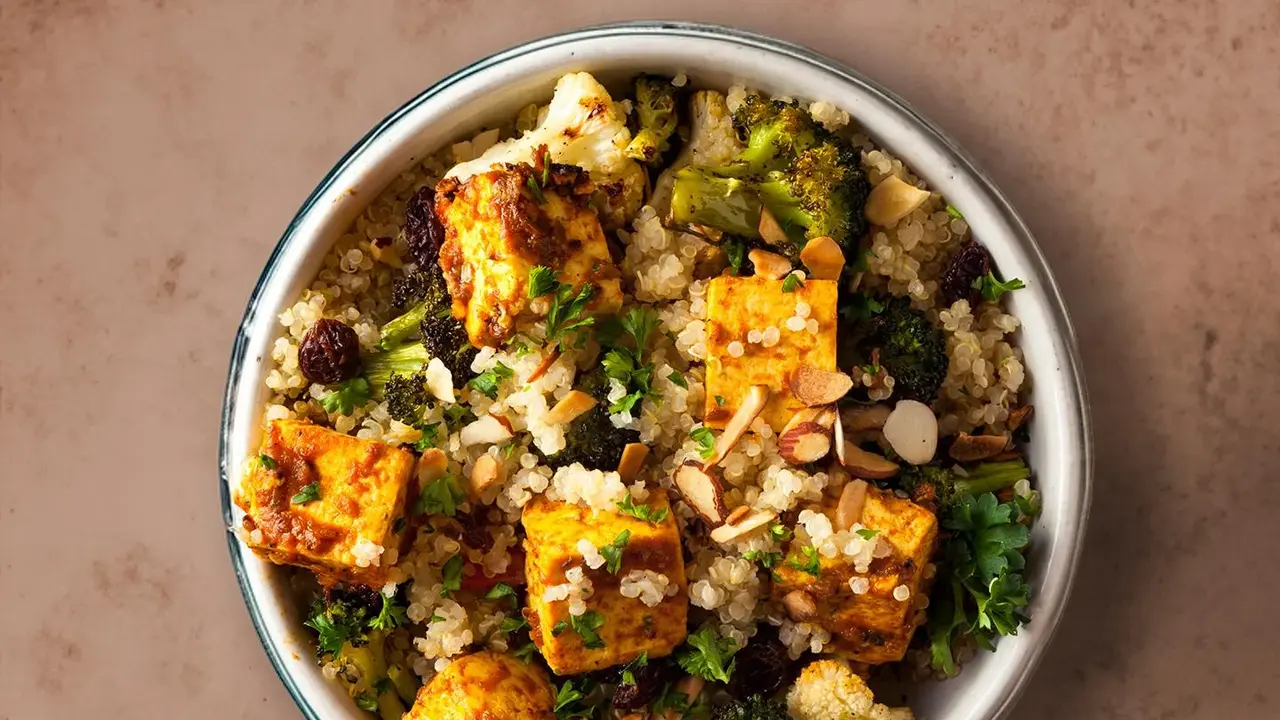
Tofu, made from soybeans, is another excellent protein source that has gained popularity in Indian kitchens. Like paneer, soy is considered a complete protein, making tofu a fantastic plant-based option. It has a lighter nutritional profile than paneer, with significantly fewer calories and less fat, making it a great choice for weight management. Tofu is also typically higher in iron than paneer. Its ability to absorb flavours makes it incredibly versatile. It can be scrambled like bhurji, added to curries, or stir-fried. When choosing tofu, look for firm or extra-firm varieties for the highest protein concentration.
The Synergy: Why Combining is Key
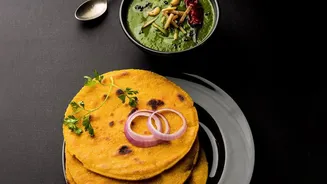
While each of these foods is beneficial on its own, combining them throughout the day creates a superior nutritional strategy. This approach ensures a wide spectrum of nutrients. For example, where lentils might be lower in certain amino acids, paneer and tofu fill that gap. Where paneer might lack iron, tofu and lentils compensate. This trio provides a mix of high-quality complete proteins (paneer, tofu) and fibre-rich plant protein (lentils). This variety supports muscle growth, stable energy levels, and overall health more effectively than relying on a single source. A meal plan that includes dal for lunch, a paneer-stuffed paratha for a snack, and a tofu curry for dinner offers a diverse and robust protein intake without mealtime boredom.
Putting It All Together: A Day of Protein
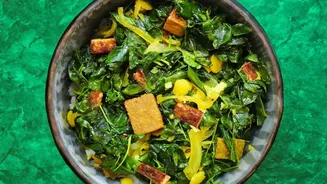
Incorporating this trio into a daily diet is simpler than it sounds. Start the day with a besan chilla stuffed with crumbled paneer. For lunch, a classic bowl of dal with rice or roti provides a comforting and protein-rich meal. An evening snack could be a handful of roasted chana or a small paneer tikka. For dinner, a palak tofu curry with roti combines the iron from spinach with the complete protein of tofu. Even seemingly small additions count; scrambling tofu into a vegetable stir-fry or adding a side of dal to a paneer sabzi significantly boosts the meal's protein content. The goal is variety and consistency, ensuring the body gets a steady supply of essential amino acids throughout the day.