


For many, Diwali is synonymous with the aroma of freshly made faral. But beyond the familiar chakli and ladoo lies a universe of regional specialities. A new generation of food bloggers is now on a mission to document these fading culinary secrets.
More Than Just Mainstream Snacks
When
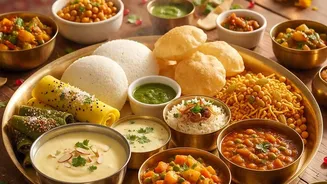
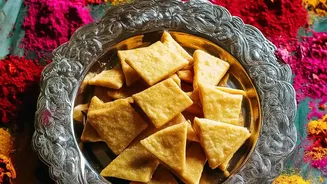
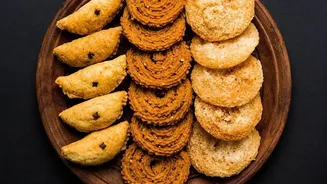
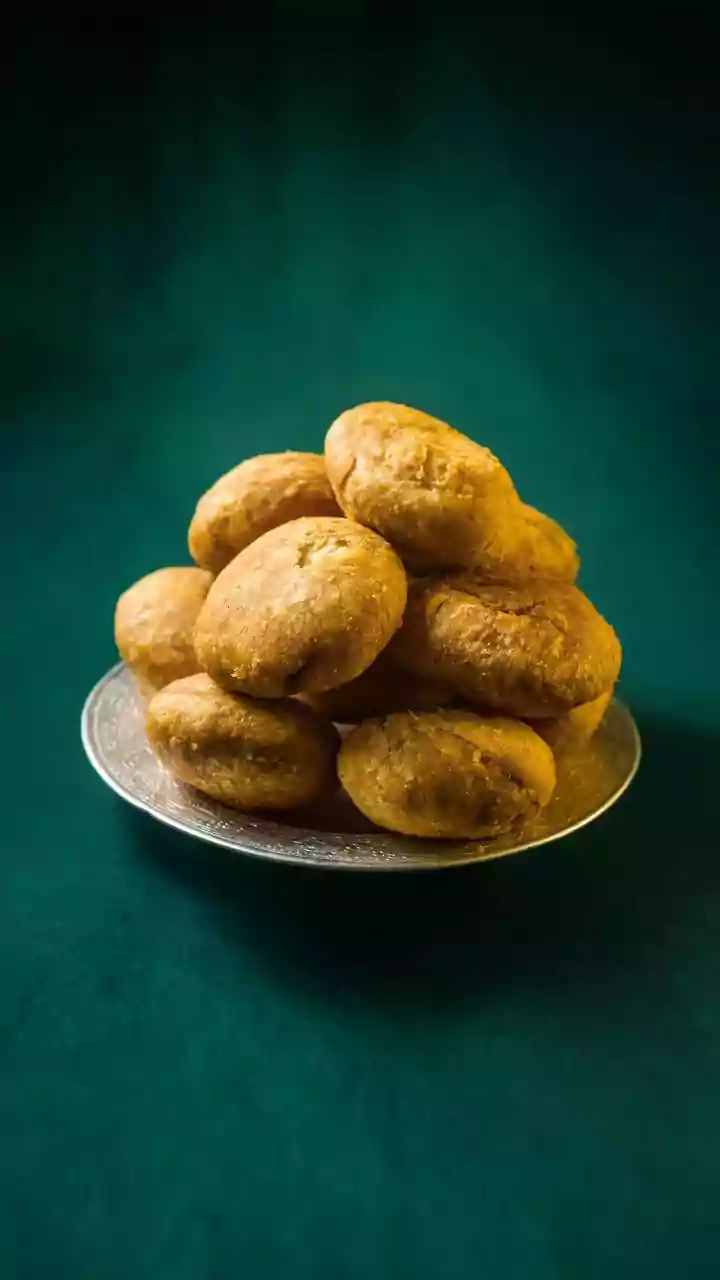
you think of Maharashtrian faral, a standard platter likely comes to mind: crispy, savoury chakli, sweet diamond-shaped shankarpali, crescent-moon karanjis stuffed with coconut, and melt-in-your-mouth besan ladoos. These beloved items are the undisputed stars of Diwali celebrations across the state. For generations, families have gathered to prepare these snacks in large batches, a tradition that signifies togetherness and festive abundance. However, this popular lineup represents just one chapter of a much larger story. Maharashtra is a vast state with diverse culinary regions like Konkan, Desh, Vidarbha, and Marathwada, each with its own distinct agricultural landscape and food traditions. The 'authentic' faral of a coastal family in Konkan can be strikingly different from that of a household in the drier plains of Marathwada.
The Challenge of Unwritten Histories
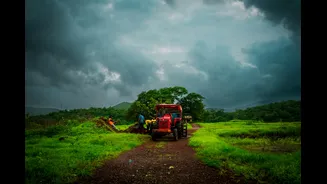
Many of these hyper-regional recipes are unwritten, existing only in the memories and muscle memory of grandmothers and family elders. They are oral traditions, passed down through observation, with measurements often described in approximations like 'a handful of flour' or 'jaggery to taste'. This makes them incredibly difficult to standardize and document. As lifestyles modernize, families become smaller, and ready-made snacks become more accessible, this precious culinary knowledge is at risk of disappearing. The intricate art of making a perfect Anarsa, a sweet fritter requiring a multi-day fermentation of rice dough, or hand-rolling tiny wheat beads for Gavhlyachi Kheer, is practised in fewer kitchens today. These are not just recipes; they are capsules of regional identity, shaped by local crops, climate, and history.
Digital Detectives on a Culinary Quest
This is where food bloggers have stepped in, transforming from mere recipe sharers into digital-age culinary detectives and archivists. Their work goes far beyond beautiful food photography. They travel to ancestral villages, sit in humble kitchens, and patiently interview elders to coax out the nuances of a family recipe. They engage in rigorous trial and error, attempting to translate those intuitive, handed-down instructions into precise measurements that a modern home cook can follow. Their blogs and social media channels become living archives, documenting not just the ingredients but the stories, memories, and cultural context behind each dish. They are, in essence, creating a digital bridge to a disappearing world, making it accessible to a new generation.
A Taste of Regional Diversity
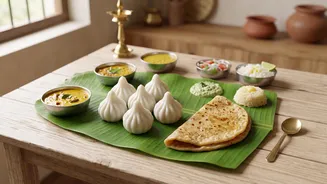
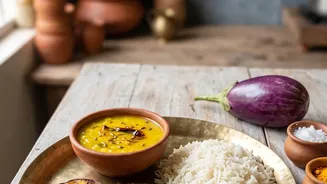
The secrets these bloggers are uncovering reveal a stunning diversity. In the coastal Konkan region, you'll find faral items that make generous use of rice flour, fresh coconut, and jaggery, reflecting the local abundance. Think of delicate, paper-thin Ghavan crepes or Shirvale (rice noodles in sweetened coconut milk). Head towards Vidarbha in the east, and the flavour profile gets bolder and spicier. This region is home to Patvadi Rassa, a gram-flour cake curry, and spicier versions of common snacks. The cuisine of Desh, or Western Maharashtra, is rooted in its agricultural heartland, with dishes often based on jowar and bajra. Some bloggers have documented rarities like Chunwadi, a gram flour preparation, or sweet pancakes called Gulacha Dhirde, showcasing the resourcefulness of rural cooking.
Preserving Heritage, One Recipe at a Time
By decoding and digitizing these regional secrets, food bloggers are doing more than just expanding our Diwali menus. They are performing a vital act of cultural preservation. They ensure that the unique culinary signatures of Maharashtra's diverse communities are not lost to time. For the Maharashtrian diaspora and younger generations living in cities, these blogs offer a tangible connection to their roots and the taste of a grandmother's cooking they may have never experienced directly. In a world leaning towards homogeneity, this work celebrates the specific, the local, and the 'authentic' in its truest sense—not as a single, rigid standard, but as a rich tapestry of flavours, each with its own story to tell.