





The Myth: No Sun Means No Sunscreen
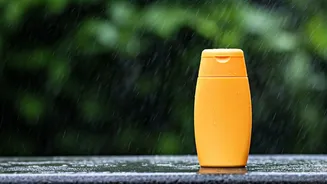
It’s a belief many of us have followed for years: if the sun isn’t shining, you don’t need sunscreen. On a dark, overcast, or rainy day, slathering on SPF can feel pointless. The logic seems simple—no bright sunlight, no UV damage. This leads many to
happily skip a crucial step in their skincare routine, believing the cloud cover is a natural shield. Unfortunately, this common assumption is not only incorrect but also potentially damaging to your skin in the long run.
The Expert Verdict: A Dangerous Misconception
Dermatologists and skincare experts across India are unanimous on this point: you absolutely need sunscreen, even during the peak of the monsoon. Dr. Jaishree Sharad, a renowned cosmetic dermatologist, has repeatedly emphasised that up to 80% of the sun’s UV rays can penetrate through clouds, haze, and fog. This means that even when you can't see the sun, your skin is still being exposed to harmful radiation. Relying on the weather as your guide for sun protection is one of the biggest mistakes you can make for your skin health. The damage is invisible, but it accumulates over time.
Understanding the Invisible Threat: UVA vs. UVB
To understand why clouds aren’t a failsafe, we need to know the difference between the two main types of ultraviolet rays. UVB rays are shorter and are the primary cause of sunburn and redness. Their intensity does decrease on cloudy days, which is why you’re less likely to get a burn. However, UVA rays have a longer wavelength. They can penetrate clouds and even glass windows, reaching deeper into your skin's layers. UVA rays are the main culprit behind premature ageing—think wrinkles, fine lines, and sagging—and they also play a significant role in the development of skin cancer. So while you may not feel the burn, the long-term ageing and DNA damage is still happening.
Monsoon Humidity and Your Skin
The challenges don’t stop with invisible UV rays. The high humidity during the monsoon can make skin feel sticky, oily, and congested. Many people avoid sunscreen because they feel it adds to the 'chip-chip' feeling, clogging pores and causing breakouts. This is a valid concern, but the solution isn't to skip protection. Instead, it’s about choosing the right formula. Heavy, oil-based sunscreens that worked in the dry winter months are not suitable for the humid monsoon. Opting for the wrong texture can indeed lead to acne and discomfort, but modern formulations offer a much better experience.
Your Monsoon Sunscreen Strategy
So, how do you stay protected without feeling greasy? The key is to switch to a lightweight, non-comedogenic sunscreen. Look for labels that say 'gel-based,' 'water-resistant,' or 'matte finish.' These formulas are designed to absorb quickly without leaving a heavy residue. A broad-spectrum sunscreen with an SPF of 30 or higher is essential. 'Broad-spectrum' ensures you are protected from both UVA and UVB rays. If you’re sweating or have been in the rain, remember that you need to reapply. Water-resistant doesn't mean waterproof, so reapplication every two to three hours is a good rule of thumb, especially if you're outdoors.