


The Rise of the 'Exercise Snack'
Between social gatherings, travel, and festive preparations, finding a spare hour for exercise can feel impossible. This is why the concept of “exercise snacking” is becoming so popular. It involves breaking up physical activity into small, manageable
chunks throughout the day, rather than committing to one long session. Think of it as a few 10- or 15-minute bursts of movement that fit into the pockets of time you already have. This approach counters the all-or-nothing mindset that often leads to skipping workouts altogether during busy periods. The focus shifts from duration to consistency, making it a realistic strategy to maintain fitness momentum.
Why Shorter Workouts Are Surprisingly Effective
You might wonder if a 15-minute workout can truly make a difference. According to research, it absolutely can. Studies have shown that even short bouts of moderate-to-vigorous activity can provide significant health benefits. One landmark study found that just 15 minutes of moderate exercise per day could extend life expectancy by three years and reduce mortality risk. These short sessions, particularly when they are high-intensity, can boost your metabolism, improve cardiovascular health, lower blood pressure, and help regulate blood sugar levels. They also offer a powerful mental uplift, helping to reduce stress and boost energy levels, which is especially needed during hectic festive times.
Your 15-Minute Festive Fitness Plan
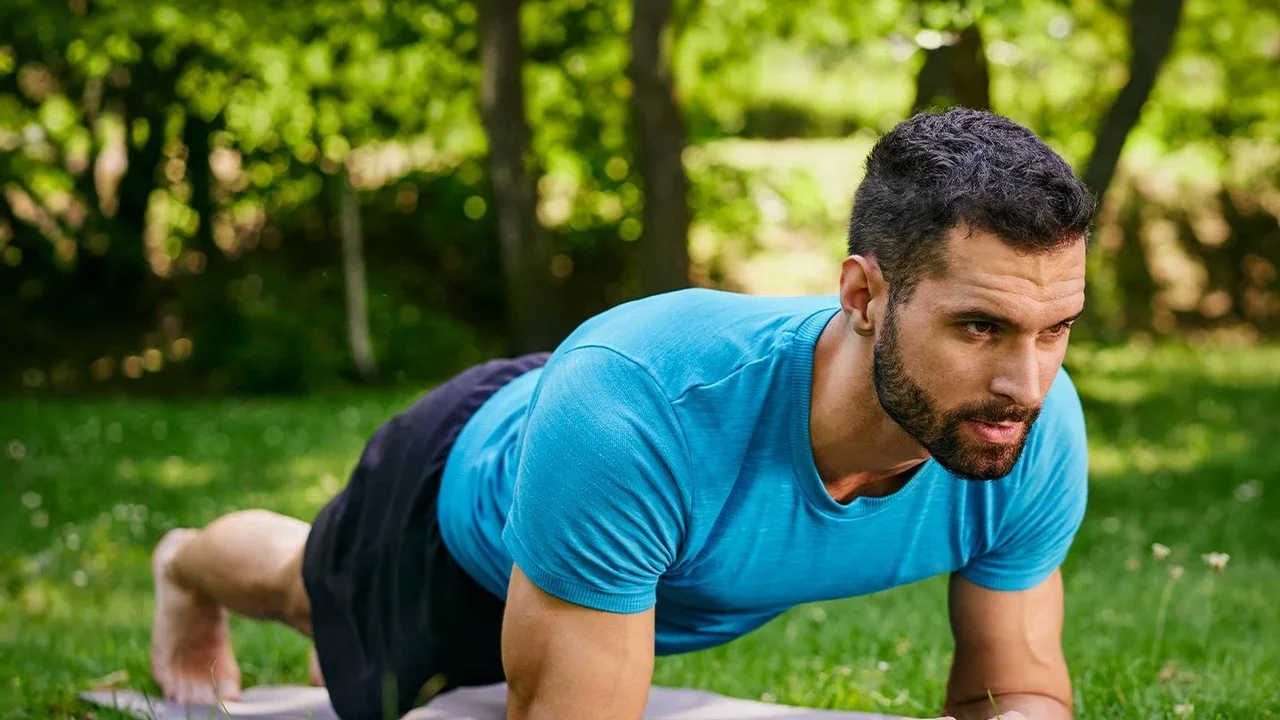
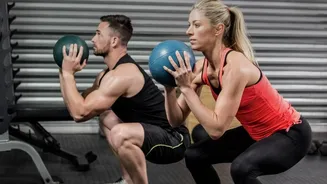
The beauty of a short workout is that it requires minimal planning and little to no equipment. You can do it at home, in a hotel room, or even in a quiet corner at a family gathering. A popular and effective method is High-Intensity Interval Training (HIIT), which involves short bursts of intense effort followed by brief rest periods. Here is a simple 15-minute bodyweight circuit you can try: Perform each exercise for 40 seconds, followed by 20 seconds of rest. Complete the entire circuit three times. 1. Jumping Jacks: A classic cardio move to get your heart rate up. 2. Squats: Focus on good form to work your legs and glutes. 3. Push-ups: Modify on your knees if needed. This builds upper body and core strength. 4. Lunges: Alternate legs to work on balance and leg strength. 5. Plank: Hold a steady plank to engage your entire core.
How to Fit Movement Into a Crowded Day
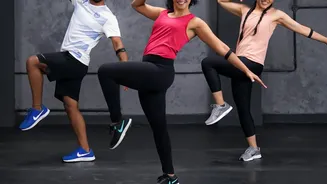
The key to making micro-workouts a habit is to link them to your existing routine. Try exercising first thing in the morning before the day’s obligations take over. Even 10 minutes can set a positive tone for the day. Use your lunch break for a brisk walk or a quick bodyweight circuit. If you're working from home, set an alarm every hour to get up and do a few minutes of stretching or stair climbing. You can even incorporate movement into festive activities—put on some music and have a dance-off with the family, or organize a post-meal walk. The goal is to see these moments not as interruptions but as opportunities.
Stay Motivated and Be Flexible
During the festive season, it’s important to be kind to yourself. The goal is not perfection but consistency. Don't see exercise as punishment for indulging in festive treats; view it as a way to maintain balance and feel good. Roping in a friend or family member can help with accountability and make it more fun. If you miss a day, don’t let it derail you. Just get back to it the next day. Remember that some movement is always better than none. By embracing flexibility and focusing on short, achievable goals, you can navigate the busiest of seasons feeling strong, energised, and ready to celebrate.