


The Foundation of Flavour
Forget store-bought stocks and bouillon cubes that are often high in sodium. The most flavourful soup base you can create comes from vegetables themselves. The classic starting point for many Western soups is a 'mirepoix'—a simple trio of onion, carrots,
and celery, gently sautéed in a little oil. This combination provides a foundational layer of sweet and savoury notes that form the backbone of your soup. You don't need to stop there; leeks, garlic, and mushrooms can also be added to this initial step to build an even more robust and aromatic base. The goal is to soften the vegetables to release their natural sugars without letting them brown too much, creating a deep, mellow flavour that water alone can then transform into a light, fragrant broth.
Unlock Flavour with Roasting
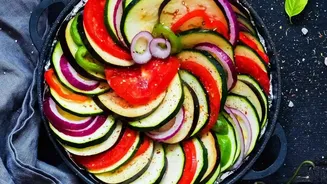
If you want to elevate your vegetable soup from good to great with minimal effort, the oven is your best friend. Roasting vegetables before adding them to the soup pot is a game-changing technique. When vegetables are roasted at a high temperature, the Maillard reaction occurs, causing them to caramelise and develop a deep, concentrated sweetness and a hint of smoky char that you simply cannot get from boiling. This method works wonders for root vegetables like carrots and parsnips, as well as sweeter options like butternut squash, sweet potatoes, and red bell peppers. Simply toss your chopped vegetables with olive oil, salt, and pepper, and roast them until tender and lightly browned. This single step adds an incredible depth of flavour that will make your simple soup taste like it has been simmering for hours.
Choosing Your Vegetable Heroes
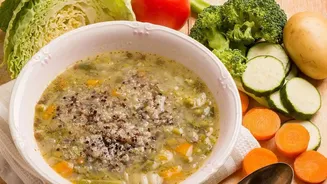
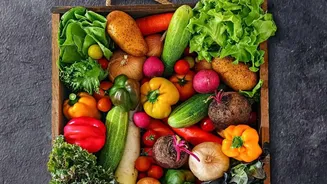
Different vegetables play different roles in a soup. For a thick, hearty, and comforting texture, turn to starchy vegetables. Potatoes are the classic choice; when cooked and blended, their starch creates a wonderfully silky, creamy consistency without any dairy. Sweet potatoes, pumpkin, and butternut squash have a similar thickening effect while also lending a beautiful colour and sweetness. For pure flavour, consider tomatoes, mushrooms, and bell peppers. For freshness and nutrients, leafy greens like spinach or kale can be stirred in at the very end of cooking, as they only need a few minutes to wilt. Don't be afraid to use frozen vegetables; they are a convenient and budget-friendly option that works perfectly well in most soups.
Creating Creaminess Without Cream
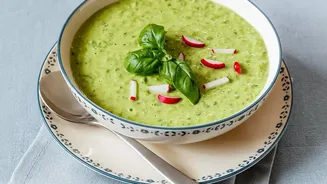
A 'creamy' soup doesn't have to contain any cream at all. The secret lies in the vegetables themselves and the right technique. As mentioned, starchy vegetables like potatoes are the number one tool for creating a velvety texture. Once your vegetables are tender, you can use an immersion blender directly in the pot to purée some or all of the soup. Blending just a portion of the soup thickens the base while leaving you with some nice, chunky texture. For an even richer consistency, you can blend in cooked beans, like cannellini beans, or even a handful of chickpeas. These not only thicken the soup but also add a welcome boost of protein and fibre, making your meal more satisfying.
Finishing and Seasoning
When your vegetable base is this flavourful, you don't need much liquid—often just enough water or a light vegetable broth to cover the vegetables is sufficient. Bring the soup to a simmer and cook until all the vegetables are fork-tender, which usually takes about 20-30 minutes. Seasoning is key. Add salt and pepper during the initial sautéing and then taste and adjust again at the end. Herbs are essential for adding brightness. Hardy herbs like rosemary and thyme can be added early in the cooking process, while soft, fresh herbs like parsley or coriander should be stirred in just before serving to preserve their delicate flavour. A final squeeze of lemon juice can also work wonders, brightening all the vegetable flavours and making the entire dish pop.