



The New Travel Blueprint
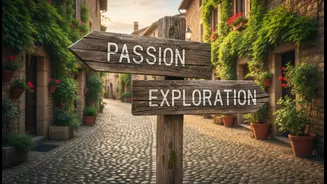
For decades, the travel formula was simple: pick a destination, book the best hotel you could afford, and then figure out what to do. That model is being turned on its head. Today’s travellers are increasingly planning their trips backwards, starting
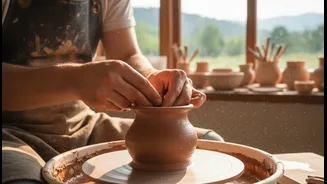
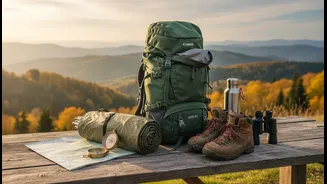
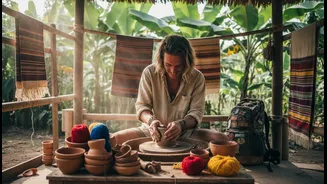
with the ‘what’ before deciding on the ‘where’. They are booking a multi-day trek, securing a spot in a pottery workshop, or planning a route through a region's best street food stalls first, and only then searching for a convenient place to sleep. This experience-first approach signals a deeper change in what people value. It’s less about the passive luxury of a resort and more about active, meaningful engagement with a place and its culture.
The Search for Authenticity and Skills
This shift is fuelled by a growing desire for authenticity and personal growth. After years of curated social media feeds, many are seeking unfiltered, real-world connections. Learning to cook a traditional meal from a local family in Coorg or trekking through the Himalayas offers a sense of accomplishment and a story that a hotel stay, no matter how luxurious, simply cannot match. This has given rise to the 'skillcation,' where the goal is to come home with a new ability, not just a souvenir. Data shows a huge surge in bookings for workshops, with a significant number of travellers—especially from younger generations—saying they’d rather learn a new hobby on vacation. This trend provides a lifeline to local artisans, helping preserve traditional crafts that might otherwise disappear.
India's Trails and Tastes
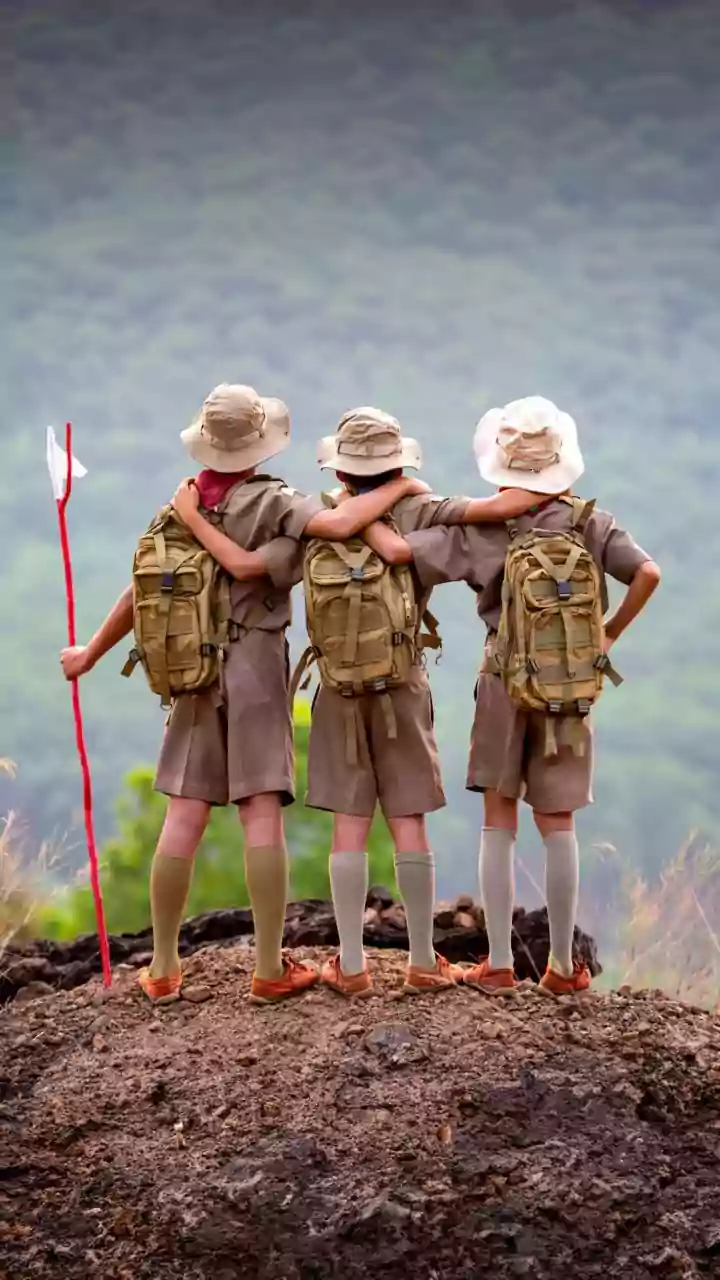
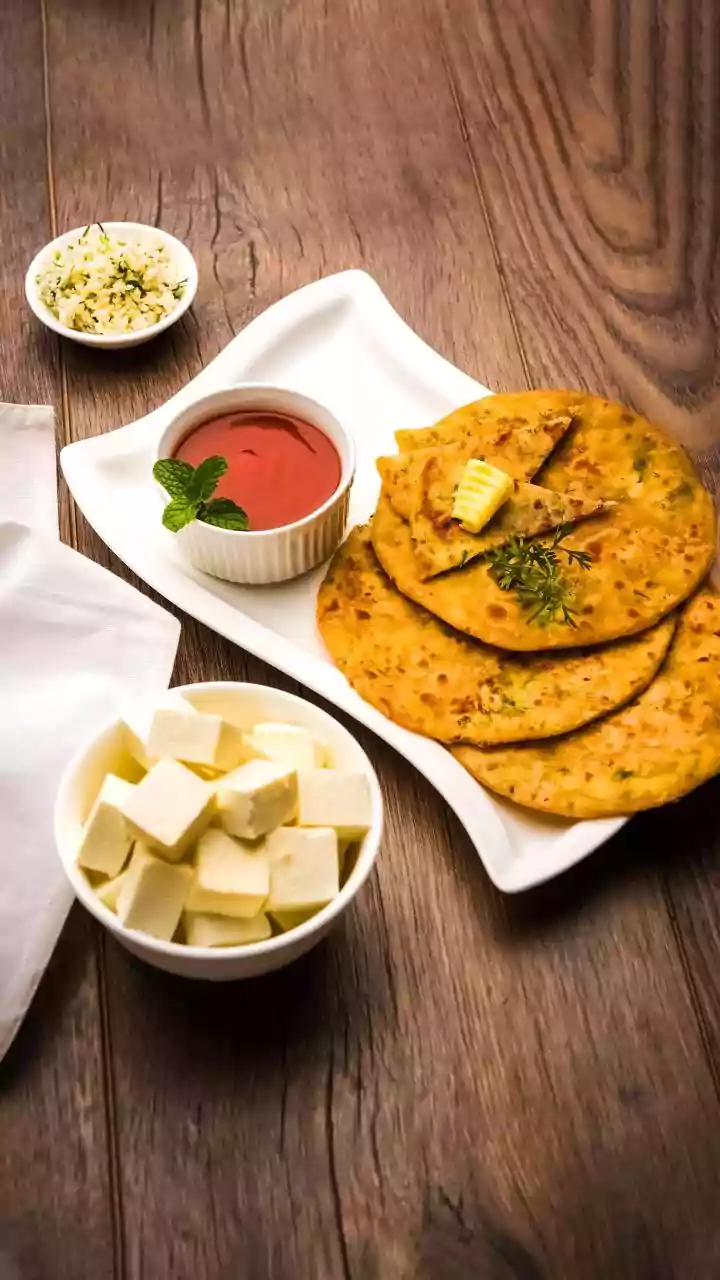
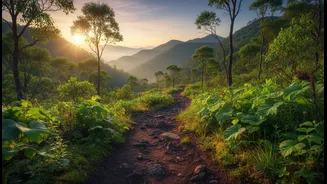
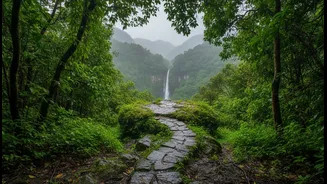
In India, this trend is visible in the booming interest in trekking and culinary tourism. Destinations in the Himalayas like Leh and Kasol have seen a massive spike in accommodation searches, driven by travellers looking to explore stunning trekking routes. It’s not just about conquering peaks; it’s about disconnecting and immersing oneself in nature. At the same time, India’s diverse culinary landscape is becoming a primary travel driver. Food trails, from street food walks in Delhi to spice plantation tours in Kerala, are now structured tourism products. The Indian culinary tourism market is projected to grow significantly, as travellers prove eager to explore the country's heritage one dish at a time.
How Budgets Are Shifting
This re-prioritisation is also reflected in how travellers are spending their money. While there is a greater willingness to invest in unique experiences, many are becoming more practical about accommodation costs. The logic is clear: saving on a room frees up more funds for the activities that create lasting memories. This has led to the rise of homestays, boutique villas, and other non-traditional lodging options that often provide a more local feel anyway. For many, the choice is simple. Why spend the bulk of your budget on a room you’ll barely be in when that money could be used to learn a new skill, go on an adventure, or eat an unforgettable meal? The experience, not the room, has become the new travel currency.