




What Exactly Is a Clay Wash?
Think of a clay or limewash as a more organic, ancient cousin to modern paint. Instead of a synthetic film that sits on top of your wall, these washes are made from natural materials like lime putty and clay mixed with water and pigments. When applied,
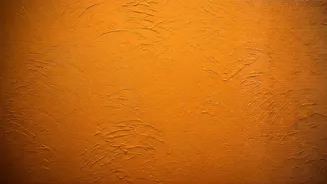
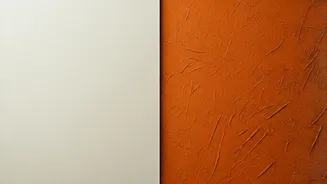
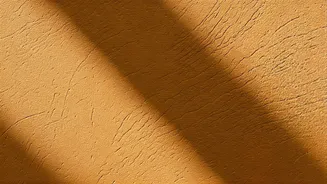
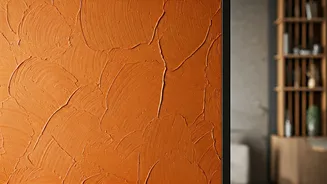
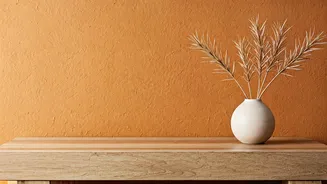
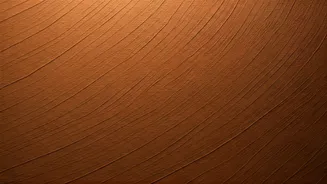
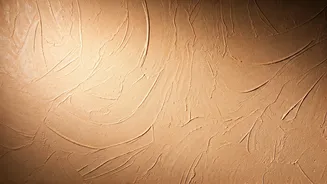
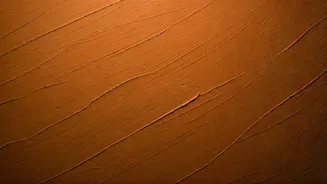
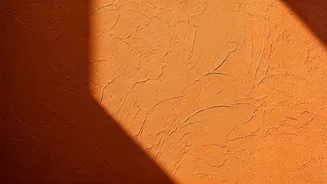
the wash penetrates the porous surface of the wall, creating a soft, chalky, and subtly varied finish. Unlike the uniform flatness of paint, a terracotta clay wash has a life of its own. It catches the light in unique ways, creating a dynamic surface that shifts in appearance throughout the day. This isn't about covering a wall; it's about giving it character and a breathable, living texture.
Why It Beats Wallpaper and Paint
While wallpaper offers patterns, it can often feel impersonal and can be a nightmare to apply or remove. Paint provides colour but lacks depth. Terracotta washes offer the best of both worlds and more. Their primary advantage is texture. The hand-applied nature of the wash creates subtle imperfections and brushstrokes that result in a bespoke, one-of-a-kind wall. Furthermore, these natural finishes are typically non-toxic and free from the Volatile Organic Compounds (VOCs) found in many commercial paints, contributing to better indoor air quality. They are also 'breathable,' allowing moisture to escape from the walls, which can be a significant advantage in India's varied climates, helping to prevent issues like mould and mildew.
The Timeless Allure of Terracotta
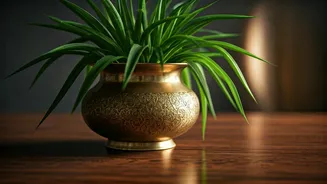
The colour terracotta itself is a masterstroke in interior design. Derived from the Italian for “baked earth,” it evokes a sense of grounding, warmth, and connection to nature. In the Indian context, it’s a colour we instinctively understand—it’s the colour of traditional diyas, rustic pottery, and the iconic brickwork of ancient temples and modern architecture alike. Using a terracotta wash brings this elemental warmth indoors. It’s incredibly versatile, acting as a bold statement on an accent wall or creating a cosy, enveloping feel in a whole room. It pairs beautifully with other natural materials like wood, jute, rattan, and linen, and provides a stunning backdrop for lush green plants.
Application: A Weekend Project or a Pro's Job?
So, you're sold on the look. But how do you get it? Applying a clay or limewash is different from painting. The key is to embrace imperfection. The technique involves using a large, soft brush and applying the wash in loose, overlapping, criss-cross strokes. This creates the signature cloudy, textured effect. For the confident DIY-er, it can be a rewarding weekend project. Many companies now offer pre-mixed limewash and clay paints in India. However, if you're aiming for a large area or are hesitant about the technique, hiring a professional painter experienced with these finishes is a wise investment. They will ensure proper wall preparation—a crucial step—and achieve the exact level of texture you desire.
Styling Your Earthy Walls
Once your beautiful terracotta wall is ready, the fun begins. To create a balanced and sophisticated look, pair the warm, reddish-brown tones with complementary colours. Creamy whites, soft beiges, and deep charcoal greys work wonderfully as neutrals. For a pop of contrast, consider deep forest greens or muted navy blues. Accessorise with textures. A handwoven jute rug, linen curtains, brass light fixtures, and dark wood furniture will all enhance the earthy, organic feel. Let the wall be the hero of the room, and build a calm, collected, and soulful space around it.