
The Cloud-Like Loaf Explained
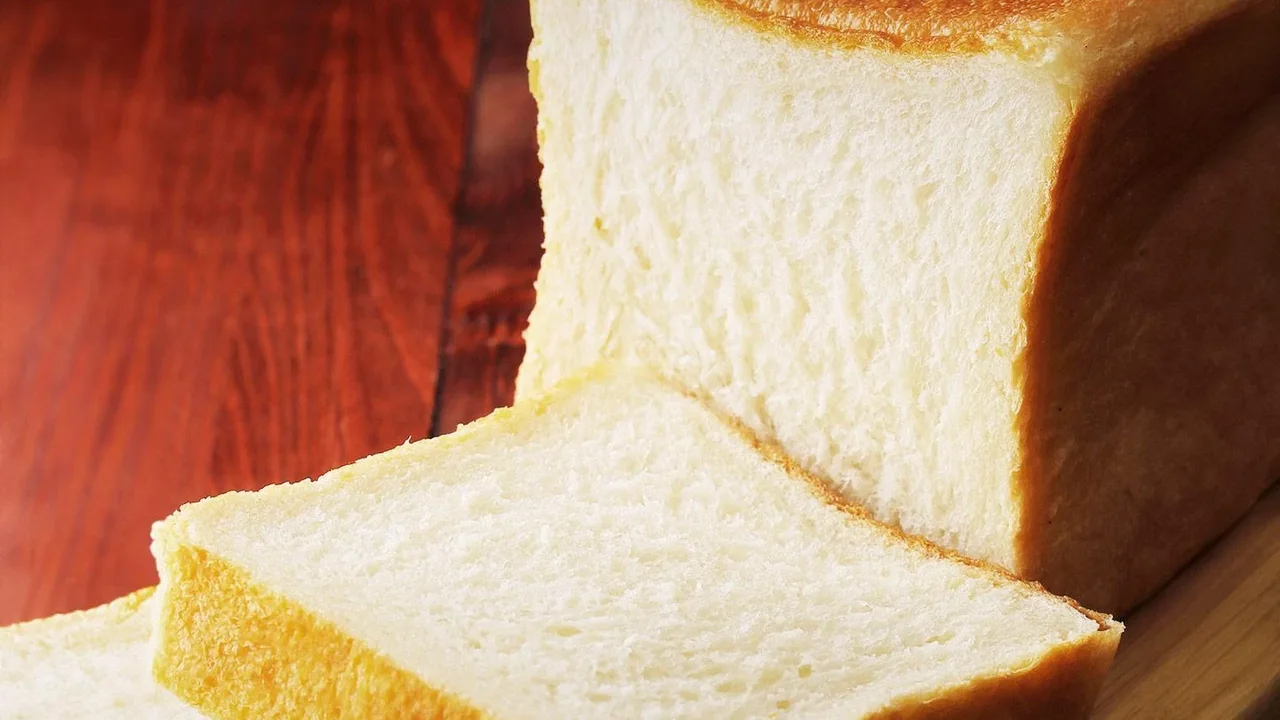
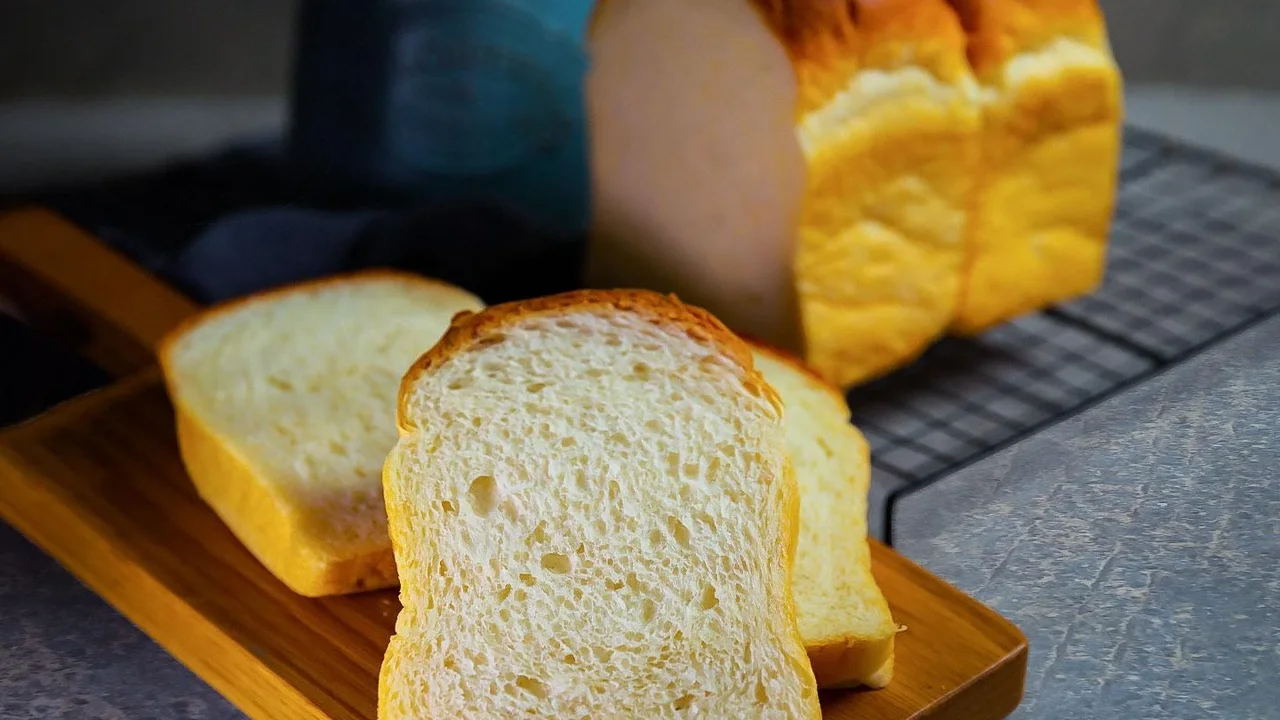
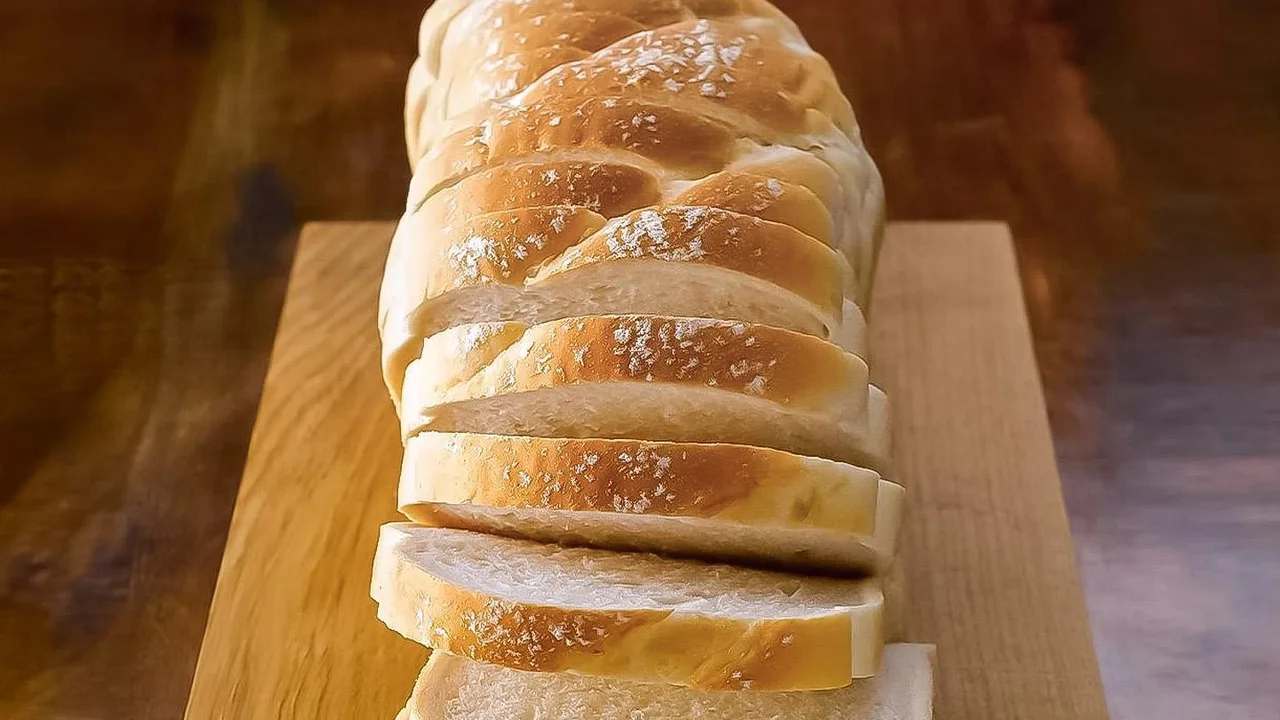
At its heart, Japanese milk bread, also known as shokupan, is a simple white bread that has been elevated to an art form. Its defining characteristics are a feathery, pillowy soft interior, a subtly sweet flavour, and a thin, tender crust. Unlike the crusty,
rustic loaves common in Europe, shokupan is all about a delicate, moist, and springy mouthfeel. This bread became a staple in Japan after World War II and its name, shokupan, translates loosely to “eating bread” or “everyday bread,” signifying its role as a household favourite. Its incredible softness and slightly enriched dough make it a standout product that is now gaining a devoted following globally.
The Secret Is in the Science
The magic behind milk bread's signature texture lies in a special technique known as tangzhong or yudane. This method involves cooking a small portion of the recipe's flour with a liquid like water or milk to form a thick, pudding-like paste. This paste is then cooled and added to the rest of the dough ingredients. The process, called pre-gelatinization, allows the flour's starches to absorb and hold onto significantly more moisture. The result is a dough that is incredibly hydrated without being overly sticky. This trapped moisture leads to a loaf that is not only exceptionally soft and fluffy but also stays fresh for much longer than conventional bread.
A Texture That Resonates
The appeal of Japanese milk bread is largely sensory. Its cotton-soft texture offers a comforting and satisfying experience that is quite distinct. For many, particularly in Asian food cultures, there is a deep appreciation for soft and fluffy textures in both sweet and savoury foods. This makes the pillowy crumb of shokupan instantly appealing. When you slice into a loaf, especially the thick-cut slices popular in Japan, the interior remains incredibly light and moist even after toasting. This contrasts sharply with denser breads that can become dry and crunchy. The unique structure allows it to be both delicate and resilient, providing a luxurious base for both simple butter and more complex fillings.
More Than Just Toast
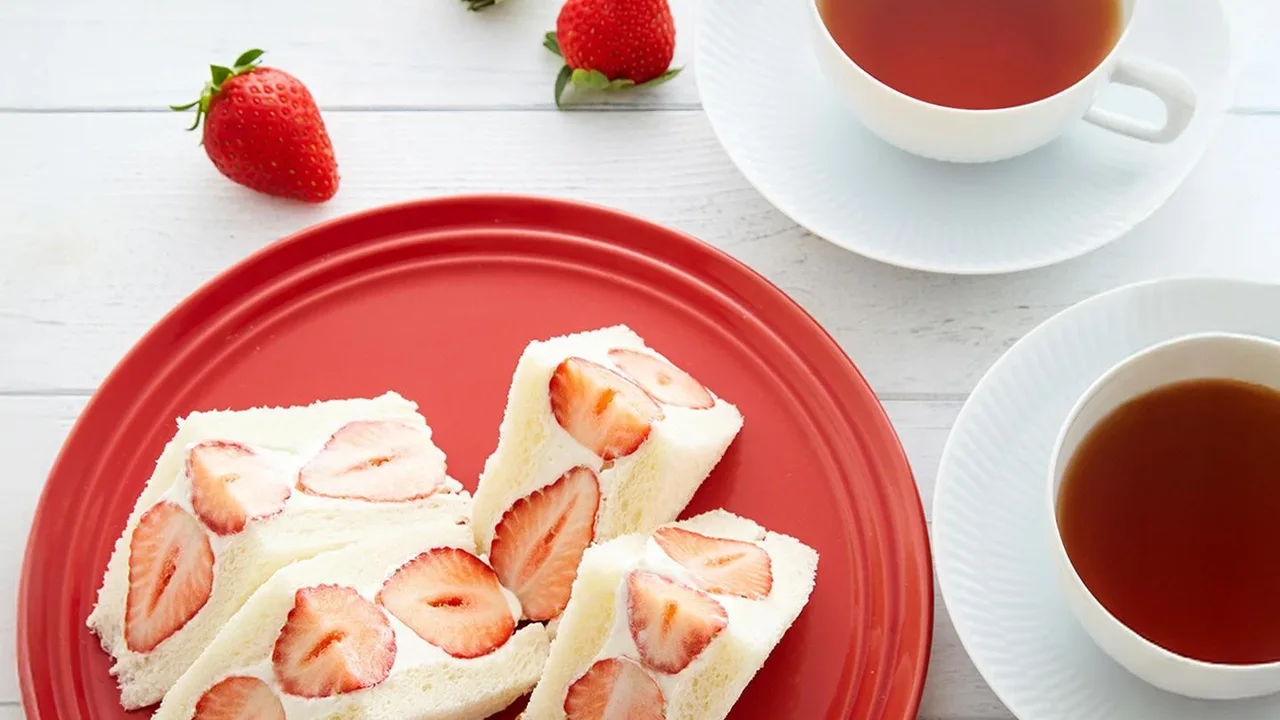
While a thick, toasted slice of shokupan with butter is a classic treat, the bread’s versatility is another key reason for its growing popularity. Its slight sweetness and sturdy yet soft structure make it the perfect vehicle for a wide array of dishes. It is famously used for Japanese fruit sandos, where its gentle flavour allows the fresh fruit and cream to shine. It is also the bread of choice for katsu sandos, the popular deep-fried cutlet sandwiches, as it absorbs the sauce without falling apart. From decadent French toast that soaks up custard perfectly to becoming the bun for high-end burgers in trendy restaurants, milk bread's adaptability has made it a favourite canvas for culinary creativity.
The Rise in Global Kitchens
What was once a staple of Asian bakeries has officially gone mainstream, largely thanks to social media and a growing global interest in Japanese cuisine. Food bloggers and home bakers have enthusiastically embraced the challenge of perfecting the tangzhong method, while artisanal bakeries from London to Delhi are adding shokupan to their menus to meet rising demand. Its photogenic quality and the almost magical transformation the dough undergoes have made it a viral sensation. This isn't just a fleeting trend; it represents a wider appreciation for technique, texture, and the simple joy of a perfectly baked loaf of bread. The rise of shokupan shows how a traditional staple can be rediscovered and celebrated by a new generation of food lovers worldwide.