


For the Sacred Panchamrit
No Janmashtami puja is complete without Panchamrit, the sacred five-nectar offering used for the deity's 'abhishek' and later distributed as prasad. Its preparation requires five core items, each with its own symbolism. You will need fresh, unboiled cow's
milk for purity, curd (dahi) for prosperity, and ghee (clarified butter) for strength. Honey is added for its sweetness and unifying properties, while a form of sugar (like mishri or boora) represents bliss. Many also add Ganga Jal for sanctity and a few tulsi leaves, which are considered dear to Lord Krishna.
Dairy and Krishna’s Favourites
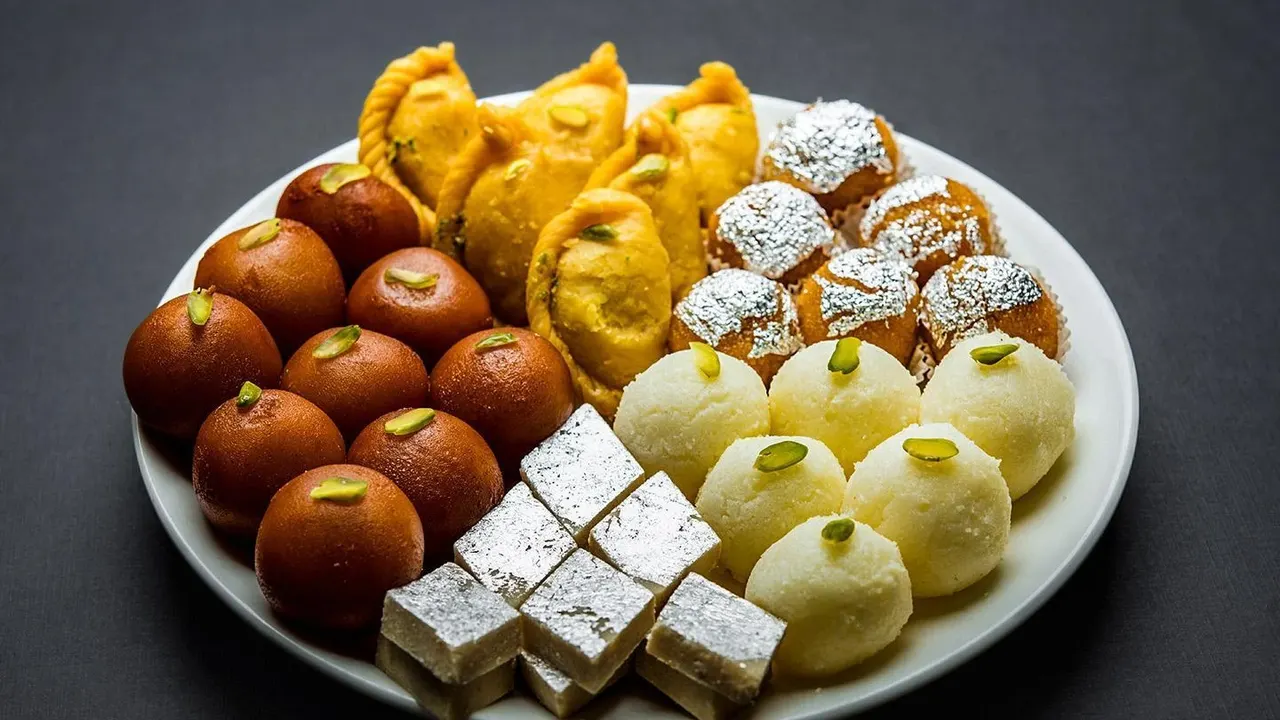
Lord Krishna’s childhood tales are filled with his love for milk and butter (makhan), making dairy products central to the celebration. Stock up on full-fat milk, which forms the base for numerous sweets like kheer and peda. Fresh homemade white butter is essential for making Makhan Mishri, a simple yet beloved offering of unsalted butter mixed with rock sugar (mishri). Additionally, paneer and khoya (dried milk solids) are used in a variety of rich sweets and dishes offered as part of the Chappan Bhog, a traditional spread of 56 items.
For Dhaniya Panjiri Prasad
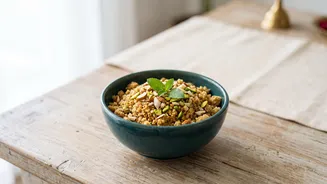
Dhaniya Panjiri is a unique prasad made especially for Janmashtami, as it doesn't contain any grains. The primary ingredient is whole coriander seeds (dhaniya), which are dry-roasted and ground into a powder. This powder is then sautéed in ghee until it becomes aromatic. To this, you'll add a sweetener like powdered sugar or boora. A generous mix of nuts and dry fruits provides texture and richness; be sure to have almonds, cashews, grated dry coconut, and makhana (fox nuts) ready. Some recipes also call for melon seeds (char magaz) and chironji.
Vrat-Friendly Flours and Grains
For those observing a fast (vrat), regular grains like wheat and rice are avoided. Instead, special fasting flours are used to prepare puris, halwa, and other dishes. It's a good idea to stock singhare ka atta (water chestnut flour), kuttu ka atta (buckwheat flour), and rajgira ka atta (amaranth flour). Sabudana (tapioca pearls) is another fasting staple, perfect for making khichdi, kheer, or vadas. For a rice substitute in pulao or kheer, keep sama ke chawal (barnyard millet) in your pantry.
Essential Spices and Seasonings
Fasting recipes use a limited but specific set of spices. The most crucial of these is sendha namak (rock salt), which replaces regular table salt in all vrat preparations. For flavour, keep whole cumin seeds (jeera), black pepper (kali mirch), green cardamom (elaichi), and carom seeds (ajwain) on hand. These can be used to temper vegetable dishes like vrat ke aloo or to add a subtle aroma to sweets and snacks.
Nuts, Sweeteners, and Fruits
Dry fruits and nuts are indispensable, not just for panjiri but for garnishing sweets like kheer and adding crunch to snacks. Make sure you have a good supply of almonds, cashews, pistachios, raisins, and especially makhana (fox nuts). Grated dry coconut is also widely used. For sweeteners, apart from regular sugar and mishri, jaggery can be used as a wholesome alternative in some preparations. All seasonal fruits, especially bananas and apples, are offered to the deity and can be consumed during the fast, making them an essential part of your festival shopping list.