





The Scale of the Problem at Home
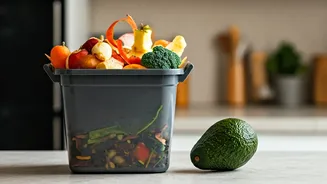
It’s easy to think of food waste as a problem for farms or supermarkets, but the data tells a different story. According to the UN Environment Programme's 2021 Food Waste Index Report, Indian households generate around 50 kilograms of food waste per person
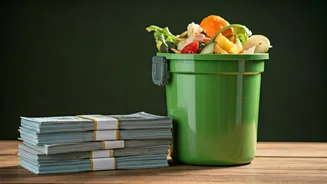
every year. That's not just a strain on the environment; it's a significant drain on your household budget. When you throw away food, you’re also throwing away the money you spent on it and the resources—water, energy, and labour—used to produce it. The good news is that the single most powerful tool to combat this is something you already control: your planning.
Build Your Plan Around Your Kitchen
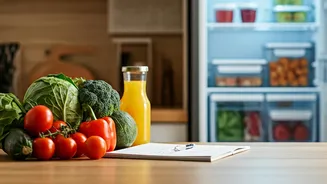
Effective meal planning doesn’t start with a recipe book. It starts with your own fridge and pantry. Before you even think about what to buy, take a quick inventory of what you already have. What vegetables need to be used in the next couple of days? Is there half a jar of pasta sauce or a bit of paneer left? Design your first few meals of the week around these items. This 'shop your kitchen first' approach immediately prevents existing food from being pushed to the back and forgotten. Only after you’ve planned for what you have should you start a shopping list for what you need. This simple shift in mindset turns planning from a chore into a smart resource management strategy.
The Art of the Intentional Grocery List
Once you know what you have, create a shopping list that is tied to a rough meal plan for the week. You don’t need to schedule every single dish, but having a general idea—like 'Monday: dal and rice, Tuesday: mixed veg curry, Wednesday: pav bhaji'—prevents impulse buys. A common mistake is buying ingredients for ambitious, complicated recipes that you don't have the time or energy to cook on a busy weeknight. Be realistic about your schedule. If you know you'll be tired on Thursday, plan for a quick khichdi or a simple egg curry instead of buying ingredients that will likely go unused. Stick to your list at the store to avoid the lure of 'buy one, get one free' deals on perishable items you won't be able to finish.
Storage Savvy: Make Your Food Last
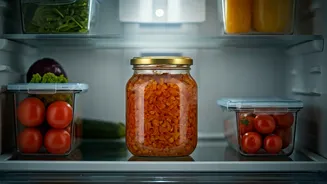
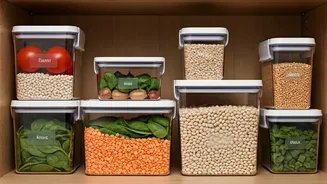
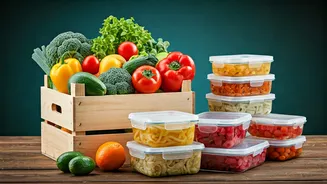
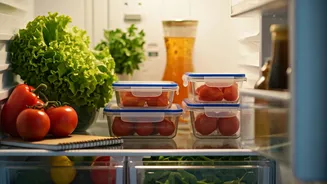
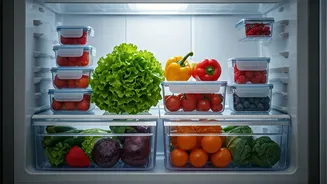
Bringing your groceries home is only half the battle. Proper storage is crucial. Many fresh foods spoil simply because they are stored incorrectly. Leafy greens like spinach and coriander should be washed, dried thoroughly, and stored in an airtight container lined with a paper towel to absorb excess moisture. Store onions, potatoes, and garlic in a cool, dark, and dry place—but keep onions and potatoes separate, as gases from onions can cause potatoes to sprout faster. Implement the 'First In, First Out' (FIFO) rule in your fridge. Place newer items at the back and older items at the front so you are prompted to use them first.
Embrace the 'Use-It-Up' Meal
Designate one meal a week as a 'use-it-up' or 'fridge-clearing' meal. This is your chance to get creative. That single carrot, half a bell pepper, and handful of peas can become a delicious mixed vegetable sabzi, a filling for a paratha, or the base for a quick fried rice. Leftover dal can be used to make dal parathas the next morning. Slightly soft tomatoes are perfect for making rasam, soup, or a chutney. Seeing leftovers not as a burden but as an opportunity for a new, creative meal is one of the most effective ways to ensure nothing goes to waste. It’s flexible, requires no new shopping, and often results in some of the most satisfying home-cooked meals.