



1. Creamy, Clump-Free Oatmeal
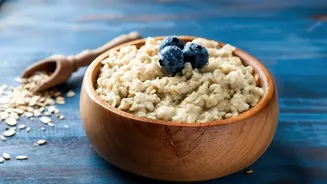
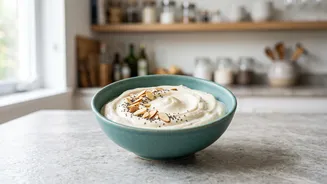
Upgrading your morning oatmeal is one of the easiest ways to cook with protein powder. It creates a balanced meal with complex carbs, fibre, and a significant protein boost to keep you feeling full for longer. The trick to a perfectly smooth bowl is all
in the timing. Don't just dump the powder into your hot porridge, as this can cause the protein to denature and create unpleasant clumps. For best results, cook your oats as you normally would on the stove or in the microwave. Once cooked, let them cool for a minute or two. In a separate small bowl, mix your scoop of protein powder with a few tablespoons of milk or water to create a smooth paste or 'slurry'. Gently fold this paste into your warm oatmeal until it's fully combined. Flavoured powders like vanilla or chocolate work beautifully, often eliminating the need for extra sweeteners.
2. Fluffy Protein Pancakes and Waffles
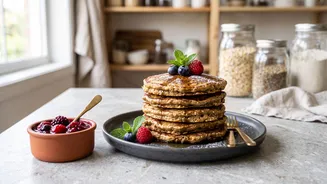
Who doesn't love a weekend pancake breakfast? By adding protein powder to the batter, you can turn a classic treat into a much more satiating meal. The key challenge with protein pancakes is avoiding a dry, rubbery texture. This often happens when there's too much protein powder in the batter or not enough moisture. As a rule of thumb, you shouldn't replace more than about a third of the flour in a recipe with protein powder. To ensure a fluffy result, make sure your batter includes a moisturising ingredient like full-fat Greek yogurt, mashed banana, or pumpkin puree. Let the batter rest for a few minutes before cooking; this allows the protein to fully hydrate and improves the final texture. Cook the pancakes on a medium-low heat to prevent them from burning on the outside before they're cooked through, and remember that overcooking is the fastest way to make them dry.
3. Simple No-Bake Energy Bites
For a quick and portable snack, no-bake energy bites are a perfect vehicle for protein powder. They require no cooking, which means you don't have to worry about heat affecting the protein's texture. The basic formula is incredibly simple and customisable. Start with a base of rolled oats, a binder like natural peanut or almond butter, and a liquid sweetener like honey or maple syrup. The protein powder not only adds a protein punch but also helps absorb some of the moisture, giving the bites their firm, dough-like consistency. Simply mix all your ingredients in a large bowl. If the mixture seems too dry, add a splash of milk or water, one teaspoon at a time, until it comes together. From there, you can fold in extras like chia seeds, ground flaxseed, mini chocolate chips, or dried fruit before rolling the mixture into bite-sized balls. Let them chill in the refrigerator for about 20-30 minutes to set.
4. Savoury Soups and Sauces
Thinking beyond sweet treats opens up a whole new world for protein powder. Adding an unflavoured powder to soups and sauces is a brilliant way to increase the protein content of your lunch or dinner, and the powder often acts as a natural thickener. To avoid clumps, use the same 'slurry' method recommended for oatmeal. In a small bowl, whisk your protein powder with a small amount of cool or room-temperature broth or water until you have a smooth paste. Slowly pour this slurry into your pot of warm (but not boiling) soup or sauce, stirring continuously until it's fully incorporated. This technique works especially well for creamy, blended soups like tomato, pumpkin, or butternut squash. For savoury dishes, it's crucial to use an unflavoured protein powder to avoid a strange, sweet aftertaste. Plant-based powders like pea protein are often recommended for hot dishes as they are less likely to curdle than milk_based whey proteins.