





The Unseen Infrastructure
Across India's bustling urban centres, a vast, often informal, network of hostels and PGs houses a critical demographic: the young people who power the IT hubs, attend universities, and fuel the gig economy. These accommodations are essential stepping
stones for migrants chasing dreams in cities like Bengaluru, Pune, Delhi, and Hyderabad. Yet, they often exist in a grey area of urban planning. Many are residential properties, sometimes single-family homes, that have been converted to house dozens of individuals. This creates an immediate and intense strain on infrastructure, particularly water supply, that was designed for a fraction of the population. When a building planned for one family suddenly needs to provide water for forty or fifty residents, the standard municipal connection is simply overwhelmed.
A Perfect Storm of Vulnerability
Several factors combine to make these establishments uniquely vulnerable to water shortages. Firstly, the high density of residents means their collective daily water requirement far exceeds that of a typical household. Storage tanks, if they exist, are drained quickly. Secondly, many PGs operate on the fringes of legality. A significant number are unregistered and may rely on unauthorized water connections to service their high demand. When municipal authorities begin rationing supplies or cracking down on illegal usage during a crisis, these are often the first connections to be severed. Furthermore, because they are commercial enterprises operating in residential buildings, they often fall into a confusing tariff bracket, sometimes facing higher commercial rates for utilities, which operators may struggle to pay.
The Soaring Cost of a Dry Tap
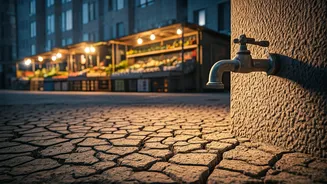
When municipal taps run dry, the only alternative is the private water tanker market. During a city-wide shortage, this market becomes a free-for-all of soaring prices. PG owners report that the cost of a single tanker can triple or quadruple overnight, with monthly water bills running into tens of thousands, and sometimes lakhs, of rupees. This enormous financial burden is often passed on to the residents, who are typically students or young employees on tight budgets. For the PG owner, it can mean the difference between profit and loss, forcing many to shut down. For the resident, it means paying more for a basic necessity, or worse, going without. Reports from cities like Bengaluru and Hyderabad highlight owners spending half their earnings just to secure water.
The Daily Struggle for Survival
The human cost of this crisis is immense. For residents, a lack of water disrupts every aspect of daily life. Students at Osmania University have held protests with empty buckets after days without supply, making it impossible to use washrooms, which become unhygienic and pose health risks. The struggle to find water for bathing before an exam or a job interview becomes a daily battle. Many are forced to buy bottled water not just for drinking but for basic cleaning. The stress and time spent arranging for water takes a toll on mental health, work productivity, and academic performance. In some cases, disputes over water usage have escalated tragically, highlighting the intense pressure these shortages create.
A Symptom of a Larger Problem
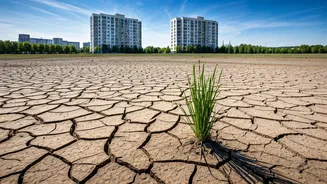
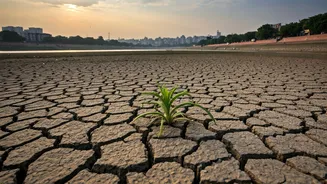
The plight of PGs and hostels is a clear indicator of a wider urban water crisis. Cities are grappling with depleting groundwater, aging and leaky pipelines that lose up to 40% of their supply, and a massive gap between demand and availability. The unregulated and rapid expansion of high-density housing like PGs exposes the inadequacies of urban planning. While some cities like Bengaluru are attempting to introduce regulations that mandate a minimum water supply of 135 litres per resident per day and require proper licensing, enforcement remains a challenge. A vast number of PGs remain unregistered, operating outside these rules.