





What Exactly Is the Orionid Meteor Shower?
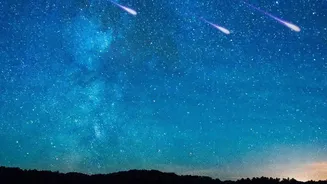
The Orionid meteor shower happens annually when Earth passes through the trail of dust and ice particles left by Halley's Comet (1P/Halley) on its 76-year journey around the sun. These tiny fragments, many no bigger than a grain of sand, burn up upon
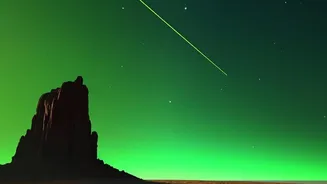
entering our atmosphere at incredible speeds, creating the bright streaks we call meteors or shooting stars. They are named 'Orionids' because they appear to radiate from a point near the constellation Orion, the Hunter. The shower is known for its fast meteors, which can leave glowing trails that linger for a few seconds after the initial flash.
When Is the Best Night to Watch in 2026?
The Orionids will be active from early October to early November, but the best time to watch will be during its peak. For viewers in India and across the globe, the peak activity is expected on the night of October 21-22, 2026. You can expect to see the highest number of meteors during these nights. In 2026, there is a challenge: a bright waxing gibbous Moon will be in the sky during the early part of the night. This moonlight can make it harder to see the fainter meteors. However, there is a silver lining for dedicated sky-watchers.
The Golden Hours: Best Viewing Time
Patience will be rewarded this year. The key to seeing the Orionids in 2026 is to wait until the Moon sets. On the peak mornings of October 21-22, the Moon will set around 3 a.m. local time. This creates a perfect, dark window between moonset and the start of pre-dawn twilight. The ideal time to be outside and looking up is from roughly 3 a.m. until just before sunrise. During these hours, the shower's radiant point in Orion will also be high in the sky, increasing the chances of seeing more meteors across the entire sky.
A Viewer's Guide for Indian Cities
City lights are the biggest obstacle to viewing a meteor shower. While it is possible to catch the brightest meteors from cities like Delhi, Mumbai, or Bengaluru, the experience will be significantly diminished. For the best show, you need to find a location with minimal light pollution. This could mean driving 30-60 minutes away from the city centre to a darker, rural area. Rooftops of tall buildings, large parks, or the outskirts of the city can offer a better vantage point than a street-level view. The goal is to find a spot with a wide, open view of the sky, away from direct streetlights and building lights.
Simple Tips for a Successful Viewing
You don’t need a telescope or binoculars to enjoy a meteor shower; in fact, they are best viewed with the naked eye because they move so fast and cover a large area of the sky. Find a comfortable spot where you can lie back on a blanket or a reclining chair. Give your eyes at least 20-30 minutes to fully adapt to the darkness—and avoid looking at your phone screen, as the bright light will ruin your night vision. While the meteors radiate from Orion, they can appear anywhere in the sky, so just lie back, look up, and be patient.