





Inspect Before the Rains Begin
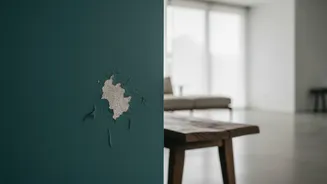
The best defence is a good offence. Before the first showers arrive, conduct a thorough inspection of your home's exterior. Look for any cracks in the walls, roof, or around window sills and get them filled immediately to prevent water from seeping in.
Check that your roof is in good condition and that all drainage pipes and gutters are clear of leaves and debris. A blocked drainage system can cause water to overflow and accumulate around your foundation, leading to significant structural issues. Applying a fresh coat of waterproof paint to exterior walls can also provide an excellent protective barrier against persistent rain.
Prioritise Ventilation and Airflow
While it's tempting to keep everything shut tight against the rain, proper ventilation is crucial for fighting indoor humidity. When it is not actively raining, practice cross-ventilation by opening windows and doors on opposite sides of your home for a while each day. This allows fresh air to circulate and pushes moist, stale air out. In areas that generate a lot of moisture, like kitchens and bathrooms, always use an exhaust fan. Running the fan while cooking or after a hot shower vents steam and humidity directly outside before it has a chance to spread throughout the house.
Safeguard Furniture and Wardrobes
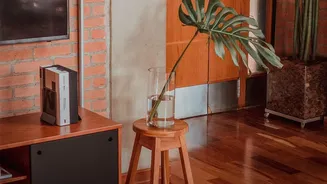
Moisture is the enemy of wooden furniture and clothing. High humidity can cause wood to swell and warp. To protect your furniture, try to keep it a few inches away from damp exterior walls. Applying a fresh coat of varnish or lacquer can also add a protective layer. Wardrobes are particularly susceptible to musty smells and mildew. Prevent this by placing moisture-absorbing materials inside. Silica gel packets, naphthalene balls, camphor, or even neem leaves are effective at absorbing excess moisture and keeping your clothes fresh and fungus-free.
Invest in Moisture Control
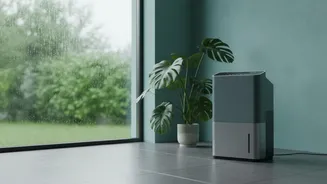
For homes that struggle with high levels of dampness, investing in a dehumidifier can be a game-changer. These appliances work by actively pulling excess moisture from the air, which helps maintain a comfortable indoor environment and prevents the growth of mould and mildew. If you have carpets, consider rolling them up and storing them in a dry place for the season. Carpets can trap a significant amount of moisture, making them a prime breeding ground for fungus and allergens. Also, designate an area near your entrance for wet raincoats and umbrellas to prevent water from being tracked inside.
Tackle Mould and Odours Quickly
Despite your best efforts, you might still encounter patches of mould or a persistent musty smell. It is vital to act quickly. For small spots of mould on walls or other hard surfaces, a simple cleaning solution of white vinegar and water is often effective. For more stubborn patches, a diluted bleach solution can be used, but ensure the room is well-ventilated during and after cleaning. To combat odours, you can use natural air fresheners. A small bowl of white vinegar left in a corner can absorb bad smells, while scented candles or camphor can leave the room smelling fresh.
Ensure Electrical Safety
Water and electricity are a dangerous combination. Before the monsoon, it's wise to have an electrician check your home's wiring for any faults or exposed joints. During the rainy season, be extra cautious. Never touch switches or electrical appliances with wet hands. If you notice any dampness on walls near switchboards or sockets, it’s best to turn off the main power supply to that area and call a professional for an inspection. Unplugging appliances when they are not in use is also a good precautionary measure to prevent damage from power surges, which can be common during storms.