


Kathal ki Sabzi (Raw Jackfruit Curry)
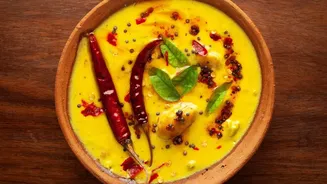
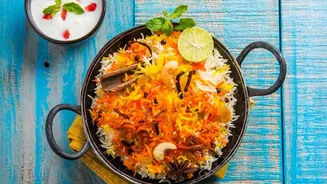
Long before it became a global vegan sensation, raw jackfruit (kathal) has been celebrated in Indian kitchens for its meaty texture. Unlike the sweet ripe fruit, raw jackfruit has a neutral flavour that masterfully absorbs spices. When cooked into a sabzi
or a biryani, it shreds much like pulled pork, offering a satisfying bite and substance. Often prepared with a robust masala of onion, tomato, ginger, garlic, and a host of aromatic spices, Kathal ki Sabzi is a testament to how a humble fruit can transform into a hearty, flavourful main course that rivals any meat dish.
Kamal Kakdi ki Sabzi (Lotus Stem Curry)
Lotus stem, known as kamal kakdi or nadru, is a visually stunning vegetable with its unique, lace-like interior. But its appeal goes far beyond aesthetics. It possesses a delightful crunch that remains even after being cooked, providing a textural contrast that's rare in curries. Typically simmered in a tangy tomato or a creamy yoghurt-based gravy, especially in Kashmiri (Nadru Yakhni) and Sindhi cuisines, the mild, nutty flavour of the lotus stem absorbs the surrounding spices beautifully. It’s a vegetable that demands a little patience for cleaning but rewards the effort with every crunchy, flavourful bite.
Mochar Ghonto (Banana Flower Curry)
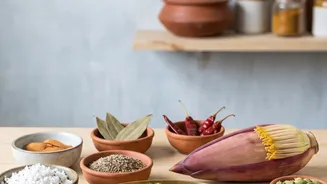
In Bengal, no part of the banana plant goes to waste, and the banana flower (mocha) is a prized ingredient. Mochar Ghonto is a dry-ish curry that requires patience to prepare but delivers an unforgettable taste. The florets are finely chopped and boiled before being cooked with potatoes, coconut, and a medley of Bengali spices. The process of cleaning and preparing the flower is intricate, which is why it's often considered a dish made with love. The final result is a subtly smoky, slightly sweet, and complex dish that showcases the unique, tender texture of the banana blossom.
Jimikand ki Sabzi (Elephant Foot Yam Curry)
Elephant foot yam, known as Jimikand, Suran, or Oal, is a tuber that might not win any beauty contests, but it holds a special place in many regional cuisines, especially during festivals like Diwali. It has a dense, starchy texture, often compared to meat. The yam is typically boiled or fried first to remove its natural itchiness before being cooked in a spicy, flavourful gravy. Depending on the region, it can be prepared in a rich, yogurt-based sauce or a simple tomato-onion masala, absorbing the flavours deeply and offering a hearty, satisfying experience.
Pathrode (Colocasia Leaf Rolls)
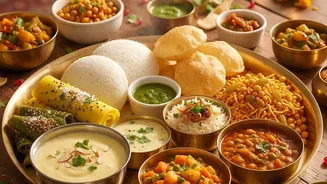
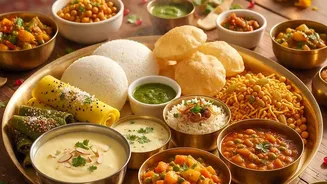
Pathrode, also known as Patra or Alu Vadi, is a culinary marvel from the coastal regions of Karnataka, Gujarat, and Maharashtra. It uses colocasia (or taro) leaves, which are known for causing an itch if not prepared correctly. The magic lies in the preparation: the large leaves are smeared with a thick, tangy, and spicy paste made from rice flour or gram flour (besan), jaggery, and tamarind. The leaves are then stacked, rolled tightly into logs, and steamed. These rolls are sliced and can be eaten as is or shallow-fried for a crispy finish, offering a spectacular burst of sweet, sour, and spicy flavours.
Moringa Sabzi (Drumstick Leaves Stir-fry)
While drumsticks (the vegetable) are common in dishes like sambar, their leaves, known as moringa, are a nutritional powerhouse often overlooked in mainstream cooking. Packed with vitamins and minerals, these tiny leaves have a slightly bitter taste reminiscent of spinach or fenugreek. In South India, they are often prepared as a simple stir-fry (poriyal or thoran) with lentils, grated coconut, and mild spices. The coconut adds sweetness and texture, balancing the earthy flavour of the leaves to create a dish that is both incredibly healthy and delicious.
Lingri ki Sabzi (Fiddlehead Fern Curry)
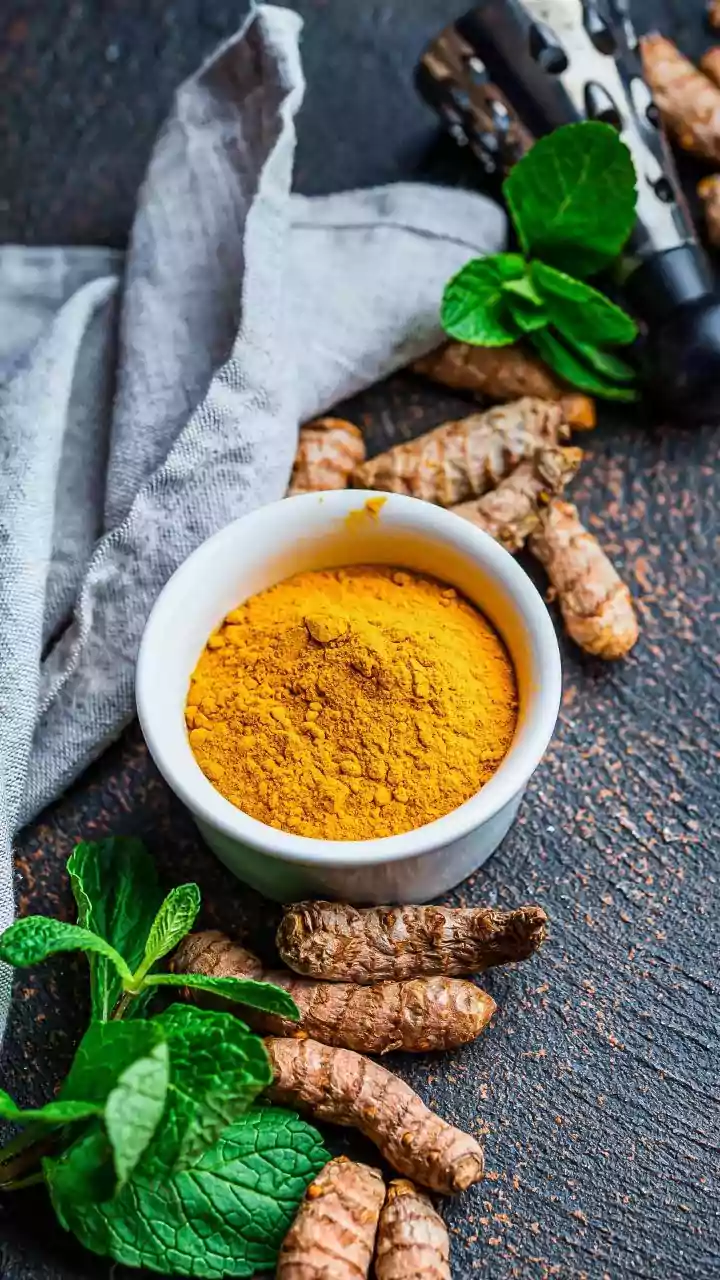
A seasonal delicacy from the Himalayan regions, particularly Himachal Pradesh and Uttarakhand, Lingri or fiddlehead ferns are the coiled fronds of a young fern. Harvested in the wild during the monsoon, they have a unique, crisp texture and a taste that's a cross between asparagus and green beans. A simple stir-fry is the best way to enjoy them, typically cooked in mustard oil with basic spices like turmeric, coriander, and perhaps a dash of dry mango powder (amchoor) for a tangy kick. This allows the fern's natural, earthy flavour to be the star.
Ambadi Bhaji (Roselle Leaves Curry)
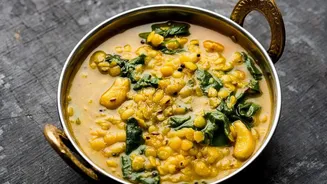
Known as Gongura in the south and Ambadi in Maharashtra, roselle leaves are famous for their distinct sour taste. These tangy greens are the hero ingredient in many dishes, most notably the Andhra Gongura Pachadi (chutney) and the Maharashtrian Ambadi Bhaji. The bhaji is a simple, rustic preparation where the leaves are cooked down with lentils, peanuts, and a touch of jaggery to balance the tartness. A final tempering of garlic and spices creates a comforting and uniquely flavourful dish that pairs perfectly with jowar or bajra bhakri.