





The Real Cost of Airport Convenience
Airport currency exchange kiosks are designed to profit from travellers in a hurry. They often charge inflated exchange rates that can be 5% to 15% worse than the actual market rate. [4, 8] On top of that, many add flat service fees or commissions, even
if they advertise "zero commission." [4, 8, 11] For every $500 you exchange, you could be losing between $25 and $65 compared to better alternatives. [4] These costs are often hidden within the poor rate offered, meaning most travellers don't realise how much they're overpaying for the convenience of getting cash right before their flight. [4, 11]
The Digital Wallet Advantage
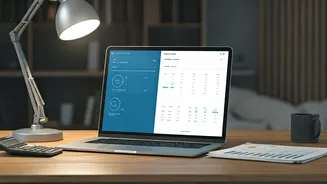
A multi-currency digital wallet is a mobile app linked to a physical or virtual card that allows you to hold, manage, and spend money in various currencies. [2, 16] Unlike traditional methods, these platforms offer real-time or near-real-time exchange rates, often called mid-market rates, which are the same rates banks use to trade with each other. [4, 13] This means you get a much fairer conversion. [13] The primary benefits include significantly lower conversion fees (often between 0.5% and 1.5%), the ability to manage everything from your phone, and enhanced security features like instantly freezing your card if it's lost. [2, 17]
Smarter Than Traditional Forex Cards?
For years, forex cards were the go-to for savvy travellers. [3] You pre-load a specific foreign currency at a locked-in rate, which protects you from market fluctuations. [2] However, digital wallets offer greater flexibility. They typically support a much wider range of currencies (30-50+ compared to a forex card's 5-20) and automatically convert your funds at the live market rate when you make a purchase. [2] This is ideal for multi-country trips. Furthermore, while forex cards are great for ATM withdrawals and in-store purchases, digital wallets excel at both online and offline transactions, making them more versatile for booking hotels or subscriptions. [2, 3] Some travellers use a combination of both for maximum flexibility. [2]
Top Digital Wallet Options for Indian Travellers
Several fintech companies now offer multi-currency digital wallets tailored for Indian users. Services like Wise (formerly TransferWise), Revolut, and Niyo Global are popular choices. [20, 26, 27] Wise is known for its transparency, allowing you to hold over 40 currencies and converting money at the mid-market rate with low, clear fees. [15, 27] Revolut functions as a comprehensive digital bank, letting you hold and exchange over 28 currencies, alongside other financial services. [20, 26] Niyo Global partners with Indian banks to offer a zero forex markup card, where you load money in INR and it converts automatically when you spend abroad, making it a simple, user-friendly option for occasional travellers. [20, 27]
Getting Started: A Simple Guide
Making the switch to a digital wallet is straightforward. First, download the app of your chosen provider. You will need to complete a verification process (KYC), which is standard for financial apps. Once your account is set up, you can load money into it from your Indian bank account using methods like UPI or NEFT. [26, 27] Before you travel, or even while you're on the go, you can convert your home currency into the currency of your destination within the app. [12] You can then use the linked card for seamless payments at shops, restaurants, and for online purchases abroad, often at a fraction of the cost of traditional currency exchange. [19]