








Why More Variety Matters
Recent health research has focused on the importance of gut health, and a diverse diet is key. Your gut microbiome is home to trillions of microbes that play a vital role in digestion, immunity, and even mood. These microbes thrive on different types
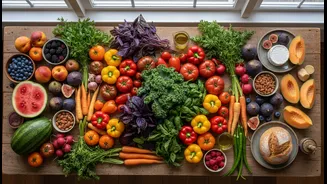
of plant fibres. A 2018 study found that people who ate 30 or more different plant types per week had a much more diverse and robust gut microbiome compared to those who ate 10 or fewer. A diverse microbiome is linked to better immune function, reduced inflammation, and a stronger gut lining. The concept isn't just about vegetables; fruits, whole grains, nuts, seeds, legumes, herbs, and spices all count toward your weekly total. Different coloured plants also provide unique phytonutrients, which are compounds with antioxidant and health-protective properties.
Powering Up Your Breakfast
Breakfast is the perfect opportunity to start building your plant count for the day. Instead of a plain bowl of oatmeal, think of it as a blank canvas. Stir in a handful of berries, a spoonful of chia or flax seeds, and a sprinkle of chopped nuts. This simple addition can add three to four different plants to your meal. If you prefer a savoury start, toss a handful of spinach or chopped mushrooms into scrambled eggs or a tofu scramble. Smoothies are another excellent way to pack in variety. Blend fruits like bananas and mangoes with a handful of kale or spinach, and add a tablespoon of almond butter for healthy fat and protein. Even your toast can get an upgrade with smashed avocado and a sprinkle of sesame seeds.
Reimagining Your Lunch
Lunch often feels rushed, but it doesn't have to be boring or nutritionally repetitive. Elevate your standard sandwich by adding extra greens like arugula or sprouts, along with sliced bell peppers, cucumbers, and tomatoes. A salad can become a powerhouse of plant diversity. Start with a base of mixed greens and then get creative with toppings. Add chickpeas or kidney beans for protein and fibre, sunflower seeds for crunch, and a variety of chopped vegetables like carrots, radishes, and red onion. A quinoa bowl is another versatile option that you can load with roasted sweet potatoes, black beans, corn, and a zesty lime dressing. Even leftovers can be enhanced by stirring in some fresh herbs or serving them over a bed of fresh spinach.
Diversifying Your Dinner Plate
Dinner is where you can really let plant variety shine. A great rule of thumb is to aim to fill two-thirds of your plate with plant-based foods. Instead of a single vegetable side, try roasting a medley of different kinds, such as broccoli, cauliflower, carrots, and onions. Curries and stews are fantastic vehicles for a wide range of vegetables, lentils, and spices; a simple chickpea and spinach curry can easily contain over five different plants. Rethink your pasta night by adding wilted kale, roasted red peppers, and olives to your sauce, or try a veggie-packed bolognese using lentils instead of meat. Building a grain bowl is another easy win: start with brown rice or farro and top with a protein like tempeh and a colourful mix of steamed or roasted vegetables.
Snacks, Spices, and Sips Count Too
Don't forget that the small additions throughout the day add up significantly. A handful of mixed nuts and dried fruit makes for a simple snack that can contribute several plant points. Herbs and spices are an easy and flavorful way to increase your count; fresh parsley, basil, turmeric, and cumin all count. Different varieties of the same food can also offer unique benefits; for example, red and green grapes or different coloured bell peppers contain different polyphenols, which are beneficial plant compounds. Even your beverages can play a role. A cup of coffee or a piece of dark chocolate (over 70% cocoa) are derived from plants and contribute to your total diversity.