



More Than Just Dirt
A dog's paw pads are their connection to the world, but that world is covered in more than just mud. During a typical walk, paws come into contact with a cocktail of substances you don't want in your home or in your dog's system. These can include allergens
like pollen, chemical residues from pesticides or lawn fertilisers, and harsh de-icing salts in the winter that can cause chemical burns. Bacteria and other germs can also hitch a ride indoors on your dog's feet. Since dogs often groom themselves by licking their paws, they can ingest these harmful substances, which may lead to digestive issues, allergic reactions, or even poisoning.
Your Essential Paw-Cleaning Toolkit
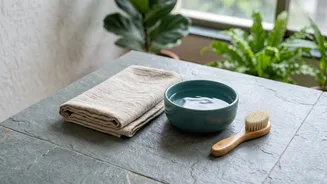
Fortunately, keeping paws clean doesn't have to be a major chore. Having a dedicated cleaning station by your door makes the process quick and easy. For most daily cleanups, simple is often best. Pet-safe grooming wipes are a convenient option for a quick wipe-down to remove surface dirt and allergens. Always choose wipes specifically formulated for dogs, as human baby wipes can contain alcohol or fragrances that may irritate their skin. A soft cloth dampened with lukewarm water is another effective and gentle choice. For seriously muddy days, a more thorough wash with a mild, dog-safe shampoo and water may be necessary. There are also no-rinse foaming cleansers and portable paw-washing cups that can make the job easier.
The Right Technique for a Happy Pup
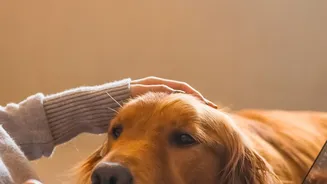
How you clean is as important as what you use. The goal is to be effective without causing stress. Start by finding a comfortable position for your dog, whether it's lying down or sitting on your lap. Gently lift one paw at a time and use your chosen wipe or cloth to clean the main pad as well as the delicate skin between the toes, where debris often gets trapped. Avoid scrubbing aggressively. After washing, the most crucial and often-skipped step is to dry the paws thoroughly with a clean towel. Trapped moisture between the paw pads can create a breeding ground for yeast and bacteria, leading to irritation or fungal infections.
An Opportunity for a Health Check
Think of paw cleaning as a mini health inspection. This daily routine is the perfect opportunity to check for any potential problems you might otherwise miss. While you wipe, carefully inspect the pads for cuts, cracks, blisters, or splinters. Check between the toes for foreign objects like burrs, small rocks, or even ticks. Look for any signs of redness, swelling, or irritation, which could indicate an allergy or infection. Catching these issues early can prevent more serious pain and veterinary visits down the line. If you notice persistent limping, swelling, or open sores, it's always best to consult your vet.
Making It a Positive Habit
Some dogs are sensitive about their feet being touched. Turning paw cleaning into a positive and predictable routine is key to long-term success. Be patient and start slow, perhaps by just touching their paws and rewarding them with a treat. Keep the sessions short and calm. Always follow up a cleaning session with praise, a favorite toy, or a small treat to help your dog build a positive association with the activity. Over time, most dogs will learn to accept, and even enjoy, this moment of care and attention. With consistency, what starts as a chore can become a simple, stress-free bonding moment for both of you.