


What is This Viral Shift?
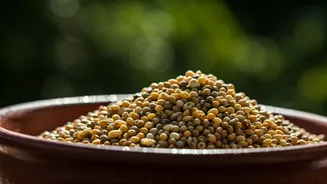
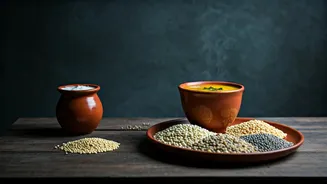
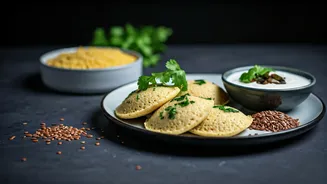
You won't find this trend in a pre-packaged box or a celebrity-endorsed supplement. The 'diet shift' going viral across India is less a diet and more of a philosophy: a return to traditional, unprocessed, and local foods. It’s the rediscovery of millets
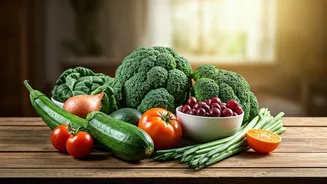
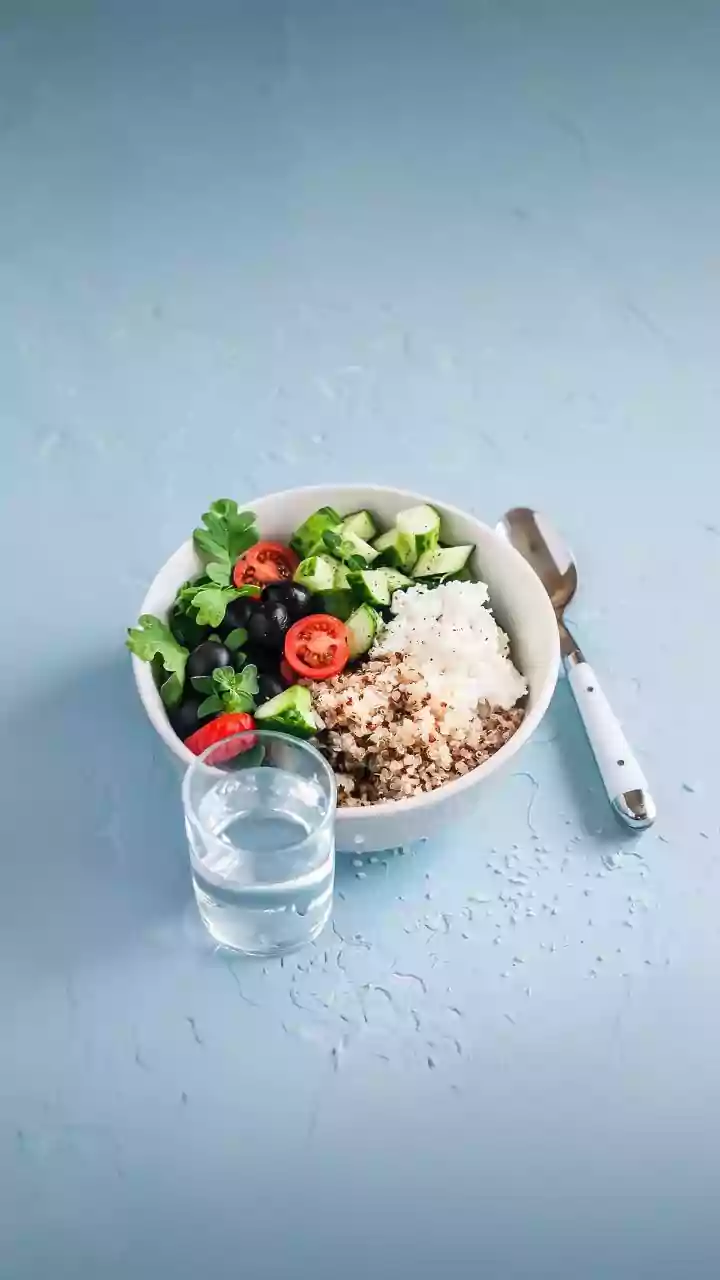
like jowar, bajra, and ragi over quinoa; the celebration of pure ghee over imported olive oil; and the renewed appreciation for seasonal, local vegetables found in your neighbourhood mandi. This movement rejects complicated calorie-counting and restrictive Western fads in favour of the balanced, time-tested food systems our grandparents grew up with. It champions 'eating the rainbow' not with exotic berries, but with the diverse produce native to India's many regions.
Why Is It Exploding Now?
Several factors are fuelling this back-to-basics movement. Post-pandemic, there's a heightened awareness of immunity and long-term health, leading many to question the sustainability of processed foods. Furthermore, there's a growing fatigue with complex, often expensive, international diet trends that don't always suit the Indian palate or lifestyle. Social media influencers and nutritionists are playing a huge role, demystifying traditional food science and presenting it in a modern, accessible way. There is also a cultural element at play—a sense of pride in reclaiming and celebrating India’s rich culinary and agricultural heritage, spurred by initiatives like the UN's 'International Year of Millets'. This isn't just about health; for many, it’s about identity.
The Science Behind Simplicity
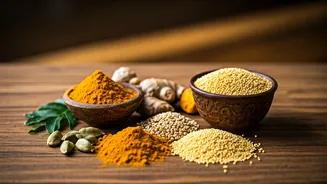
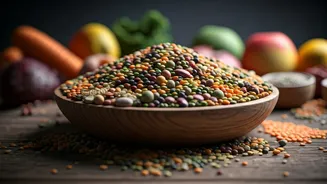
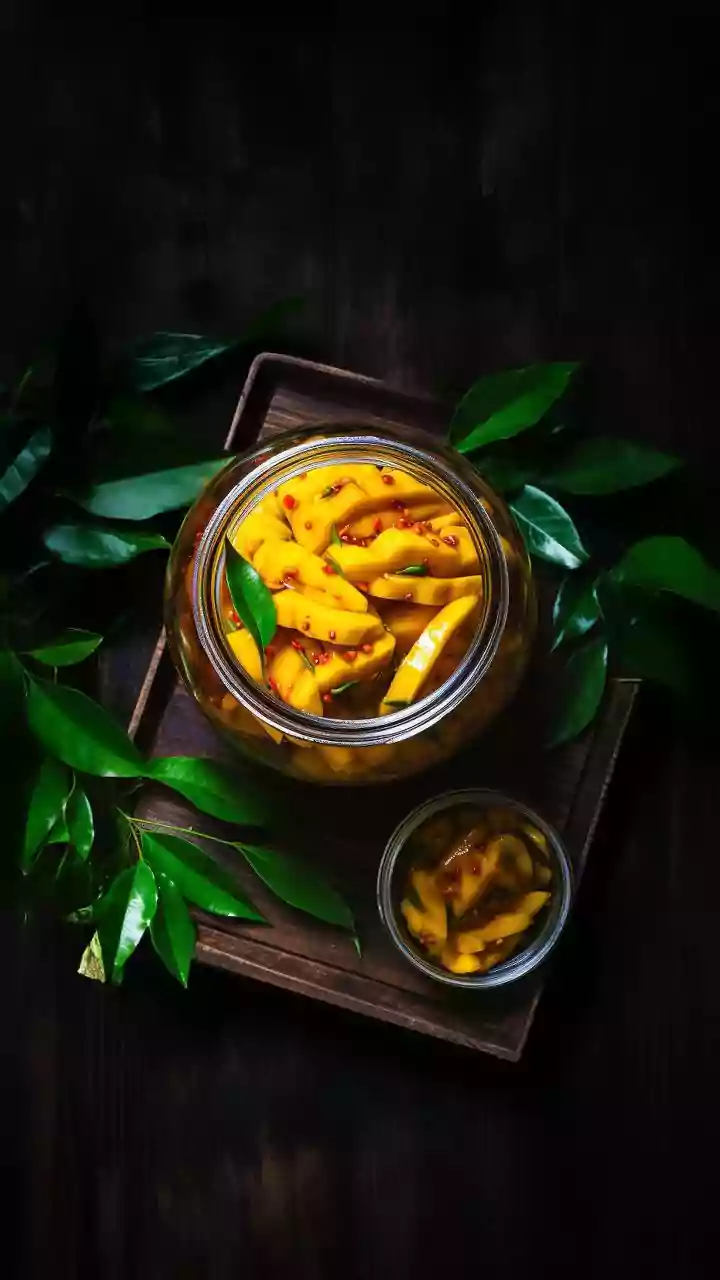
This shift isn't just based on nostalgia; it's backed by modern nutritional science. Traditional Indian diets, when followed correctly, are incredibly robust. Millets, for example, are complex carbohydrates that are high in fibre, protein, and essential minerals, leading to sustained energy release without the sugar spike associated with refined grains. The emphasis on dals and legumes provides excellent plant-based protein. The use of spices like turmeric, cumin, and ginger offers anti-inflammatory and digestive benefits. Fermented foods like curd (dahi) and pickles, when made traditionally, are excellent sources of probiotics that support gut health. The core principle—eating a variety of whole foods—is the single most consistent piece of advice from nutrition experts worldwide.
Is This Approach Right For You?
The beauty of this 'trend' is its flexibility and accessibility. Since it’s based on local and seasonal produce, it's often more affordable than pursuing imported 'health' foods. However, 'traditional' does not automatically equal 'healthy' without mindfulness. Portion control remains crucial, especially with ghee, rice, and sweets. The method of cooking also matters; a deep-fried traditional snack is still a treat, not a health food. The key is balance. This approach isn't about completely eliminating modern conveniences or foods you enjoy. Instead, it’s about making whole, traditional foods the foundation of your diet. If you have specific health conditions like diabetes or food allergies, the principles are still sound but require careful adaptation.
Simple Swaps to Get Started
Adopting this lifestyle doesn't require a dramatic overhaul. Start small. Try swapping refined white rice with brown rice or a millet like foxtail or bajra for one meal a day. Make a conscious effort to cook one seasonal vegetable you haven't eaten in a while. Instead of reaching for a packaged snack, try a handful of roasted chana or peanuts. Reintroduce traditional fats like ghee or cold-pressed mustard oil into your cooking in moderation. Ask your parents or grandparents for a simple, forgotten family recipe. The goal is progress, not perfection. Each small step reconnects you with a healthier, more sustainable way of eating.