






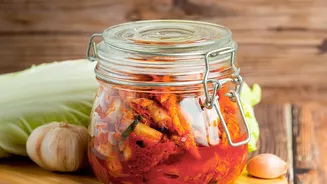
A Taste of Tradition
Kanji is a traditional North Indian fermented beverage, historically prepared during the winter months and especially popular around the festival of Holi. At its core, it is a simple yet potent mix of a main vegetable, water, salt, and coarsely ground
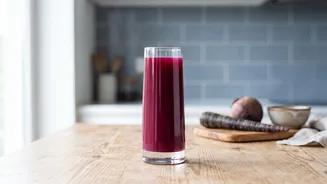
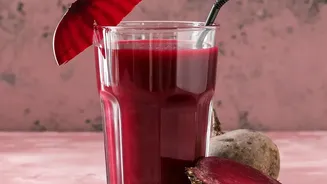
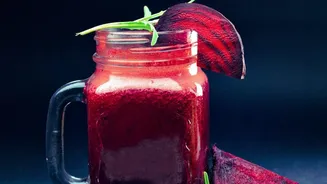
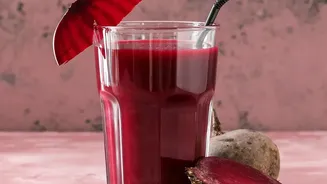
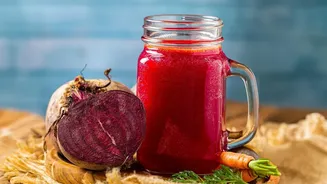
mustard seeds, which act as the fermentation agent. The concoction is left in a glass or ceramic jar, traditionally in the sun, for several days until it develops a characteristic tangy, sour, and slightly pungent flavour. While there are many variations, including some made with rice, the most iconic version uses 'kali gajar,' or black carrots, which give the drink a stunning deep purple colour. In areas where black carrots are less common, beetroot is often used, lending its own earthy sweetness and brilliant red hue to the drink.
The Probiotic Powerhouse
The magic of Kanji lies in its natural fermentation process. This age-old technique transforms the natural sugars in the vegetables into lactic acid, creating a beverage rich in probiotics. These live, beneficial bacteria are crucial for maintaining a healthy gut microbiome, which is the community of microorganisms living in our digestive tracts. A balanced gut is linked to numerous health benefits, including improved digestion, better nutrient absorption, and reduced bloating and acidity. By supporting the gut, where a significant portion of our immune cells reside, probiotics in drinks like Kanji can also help strengthen the body's natural defenses against infections.
The Colours of Wellness
The choice of black carrots and beetroot is no accident; these vegetables are nutritional powerhouses. Black carrots are packed with anthocyanins, a type of antioxidant that gives them their dark pigment. Antioxidants help protect the body from oxidative stress by neutralizing harmful free radicals. Beetroot is similarly loaded with antioxidants, along with essential nutrients like folate and iron, which are beneficial for blood health and detoxification. The fermentation process not only preserves these nutrients but can also make them more bioavailable, meaning the body can absorb and utilise them more effectively.
Why Old is New Again
The resurgence of Kanji in modern Indian homes is part of a larger wellness trend that favours natural, homemade, and traditional solutions over processed alternatives. As awareness around gut health grows, people are actively seeking out natural probiotic sources, and Kanji fits the bill perfectly. It is a low-calorie, vegan, and preservative-free drink that can be easily customised at home. Unlike many commercial health drinks that can be high in sugar, homemade Kanji offers a clean, flavourful way to support digestion, boost immunity, and hydrate the body. Its growing popularity is a testament to a collective return to the wisdom of our grandparents, who understood the power of fermented foods long before they became a global trend.
Your Guide to Home Fermentation
Making Kanji at home is remarkably simple. All you need is a large, clean glass jar, your choice of vegetables, and a few key spices. Start by washing and cutting black carrots or a combination of regular carrots and beetroot into sticks. Place them in the jar and add water, coarsely ground mustard seeds, black salt, and a pinch of red chilli powder if you like a bit of heat. Cover the mouth of the jar with a muslin cloth and secure it. The next step requires patience: let the jar sit in a sunny spot for three to five days, stirring the contents with a clean spoon once daily. The fermentation time will vary depending on the temperature. You’ll know the Kanji is ready when it has a tangy, slightly sour taste and a deep, inviting colour. Once fermented, you can strain the liquid and store it in the refrigerator for several days.