





The High Cost of Travel Stress
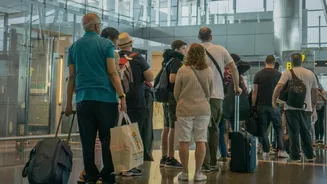
The stress associated with air travel is more than just a personal inconvenience; it has a real impact on the aviation industry. According to SITA's 2026 Passenger IT Insights report, a survey of nearly 8,000 travellers across 24 countries, 42% of passengers
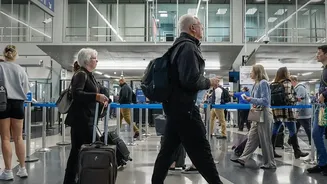
have decided against booking a trip because they anticipated the journey would be too stressful. This trend is even more pronounced among frequent flyers and travellers under 30, with six in ten and more than half, respectively, admitting to abandoning a trip over stress concerns. The primary sources of this anxiety are clear: flight delays and cancellations, long queues at various checkpoints, and persistent worries about baggage handling. The core issue, the report suggests, is a lack of information and a feeling of powerlessness when things go wrong.
Information is Power
The good news is that passengers are overwhelmingly optimistic about a solution. The study found that eight in ten travellers believe technology can significantly reduce the stress of air travel. The key is providing passengers with clear, real-time information that puts them back in control of their journey. Simple tools like mobile phone alerts for flight changes, live wait times for security displayed on airport screens, and accurate walking times to gates can transform a passenger's mindset. When a flight is rescheduled, for example, an immediate notification with the new departure time, directions to the new gate, and an update on their bag's location can prevent a cascade of anxiety. Four in ten travellers even indicated they would be comfortable receiving these crucial updates from an AI system.
Your Face Becomes Your Boarding Pass
One of the most significant technological shifts aimed at reducing queues and friction is the adoption of biometrics. Instead of repeatedly presenting passports and boarding passes, passengers can use their face as a single, secure token to move through check-in, bag drop, security, and boarding. Systems like SITA's Smart Path are being implemented in airports globally, including through India's Digi Yatra initiative, allowing travellers to walk through checkpoints with minimal stopping. This 'walk-through' experience not only speeds up processing but also reduces the number of manual interactions, a major source of queues and stress. The goal is to make the airport journey as seamless as using facial recognition to unlock your smartphone.
Ending Baggage Anxiety
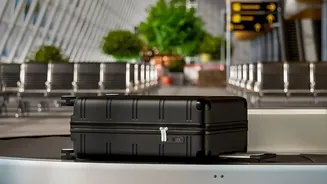
The dread of arriving at your destination only to find your luggage is missing is a potent source of travel anxiety. The rate of mishandled bags has seen a significant spike as travel has rebounded post-pandemic. Technology is directly addressing this pain point. Real-time baggage tracking is becoming a higher priority for both airlines and airports. Passengers are increasingly able to receive notifications on their mobile phones from the moment they check their bag to when it’s ready for collection. This constant stream of information provides crucial peace of mind. In the event a bag is mishandled, automation technology can now reroute up to 70% of delayed bags without manual intervention, proactively informing the passenger and providing tracking for the new journey.
Calmer Travellers, Better Airports
The period between clearing security and boarding the plane is a critical 'dwell time' for airports, but it's also where anxiety has grown fastest—a third of passengers now feel anxious during this phase, a threefold increase from 2023. By using technology to shorten queues and provide clear information, passengers feel more relaxed and have more time to spend in shops and restaurants. The SITA report highlights the United Arab Emirates as a prime example: with 77% of passengers using technology at border control, only 13% reported negative emotions, compared to 37% globally. This shows that when passengers are informed and the process is smooth, they are calmer, and the entire airport ecosystem benefits.