




Curate, Don't Just Accumulate
The foundation of a collected home is shifting your mindset from accumulation to curation. It’s not about how much you own, but how intentionally you choose what to display. Every object should earn its place by serving a function, evoking a memory, or simply
being beautiful to you. Before adding a new piece, ask yourself what story it tells and if it contributes to the larger narrative of your home. This thoughtful editing process is what transforms a room from feeling like a storage closet into an authentic reflection of you. Think of your space as a visual journal; the goal is to highlight the most important chapters, not show every single page at once.
Embrace the Beauty of Patina
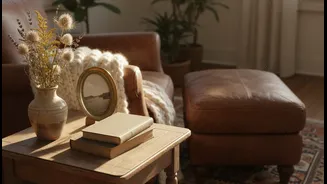
Patina—the gentle sheen and subtle wear that objects acquire over time—is the soul of a collected look. The rich finish on aged wood, the slight tarnish on a vintage silver tray, or the softened edges of an old leather chair add a layer of history and character that new items often lack. Don't shy away from imperfection. These pieces bring a sense of nostalgia and depth, breaking free from a mass-produced, showroom feel. Integrating antiques and vintage finds, even small ones, provides a striking contrast to modern decor and keeps a space from feeling one-note. The goal is to create a dialogue between old and new, where the history of one piece highlights the clean lines of another.
Group Objects to Create Vignettes
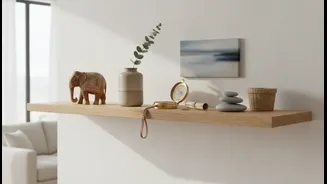
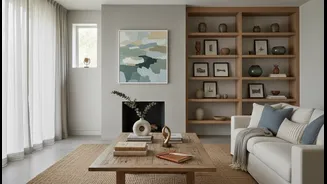
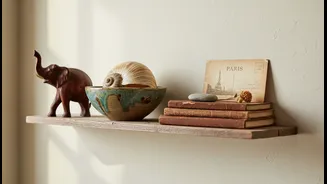
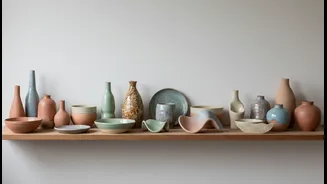
One of the fastest ways a collected home veers into clutter is by scattering small items across every available surface. The solution is to group objects into intentional clusters, or vignettes. This technique creates mini focal points that draw the eye and make a group of disparate items feel like a cohesive collection. A simple but effective guideline is the 'rule of three,' arranging items in odd numbers. When creating a vignette on a console, shelf, or coffee table, vary the height, shape, and texture of the objects. For instance, pair a tall sculptural vase with a horizontal stack of books and a small, textured decorative bowl. This grouping creates visual interest and tells a more compelling story than any single object could on its own.
Give Your Treasures Breathing Room
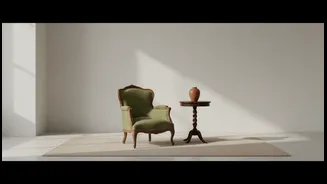
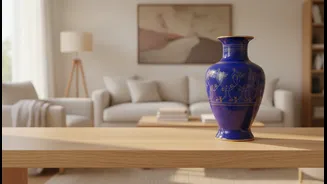
In a collected home, empty space is not a problem to be solved; it is an essential design element. Negative space—the areas around your objects—is what allows each piece to be seen and appreciated. When every shelf and surface is filled to capacity, nothing stands out, and the result is visual noise. By leaving some surfaces partially empty, you give the eye a place to rest and increase the impact of the items you choose to display. Restraint doesn't mean your home has to feel sparse or unfinished. Instead, it signifies confidence in your choices and allows the architecture and flow of the room to contribute to the overall design.
Unify with Colour and Texture
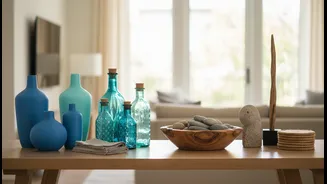
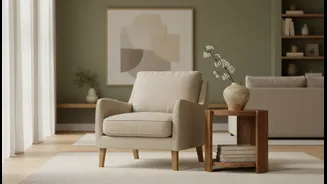
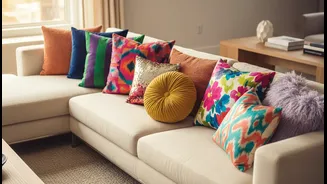
When you're mixing items from different eras, styles, and origins, a cohesive color palette can be the thread that ties everything together. You don’t need a strictly neutral scheme, but repeating a few key colors throughout a room helps create rhythm and flow. This could be as simple as ensuring all your picture frames are black or that you have pops of a certain shade of blue in your textiles, art, and ceramics. Texture plays an equally important role. Mixing materials like rough wood, smooth ceramic, soft linen, and cool metal adds a layer of sensory richness that makes a space feel dimensional and warm, even with a muted color palette. This focus on material and finish becomes a subtle way to create interest without adding clutter.
Style Slowly and Rotate Regularly
A truly collected home is never truly finished; it evolves with your life. Resist the urge to style every corner at once. The most personal spaces are built over time, with pieces added gradually as you find things you love. This slow decorating process ensures each addition is meaningful. Furthermore, not every treasure you own needs to be on display simultaneously. A great habit to adopt is rotating your collections. Storing some items away and swapping them out seasonally or whenever you want a refresh keeps your decor feeling dynamic. This practice allows you to appreciate your belongings in new contexts and ensures your most cherished items get their moment to shine without competing for attention.