






The Centrepiece: The Ganesh Idol
The single most important expense is the idol itself. Prices vary dramatically based on size, material, and artistry. Small, eco-friendly clay (shadu matti) idols for home celebrations can start from ₹500 to ₹3,000. These are a great choice as they dissolve
easily in water, causing no environmental harm. For larger celebrations or community pandals, idols made of Plaster of Paris (PoP) can range from ₹5,000 to over ₹50,000, depending on the intricacy and height. While traditionally popular, many cities now discourage PoP idols, and some municipalities even distribute clay idols for free to promote greener celebrations.
The Mandap and Decorations
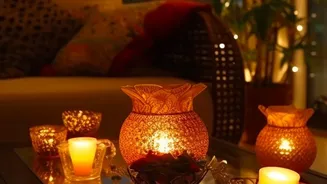
Creating a beautiful space for Bappa is a key part of the festival. A home mandap or makhar setup can range from a few thousand rupees to much more. Simple flower and lighting decorations may cost between ₹2,500 and ₹5,000. More elaborate themed decorations, such as a traditional Maharashtrian wada setup, can start from ₹15,000. Costs include the backdrop, lighting, flowers (marigolds, hibiscus, roses), and decorative items. For community pandals, decoration costs can be substantial, often running into lakhs of rupees, covering structures, lighting, and sound systems.
Puja Samagri and Rituals
Daily prayers require a list of essential items (samagri). This includes basics like kumkum, haldi, chandan (sandalwood paste), akshat (unbroken rice), incense (agarbatti), camphor, and ghee for the diyas. You'll also need offerings like durva grass, red hibiscus flowers, coconuts, and betel leaves. A budget of ₹2,000 to ₹10,000 should cover these essentials for a 10-day festival, depending on the scale. If you plan to hire a pandit for the sthapana (installation) and visarjan (immersion) pujas, their fee can range from ₹3,000 to ₹6,500 or more.
Prasad and Festive Feasts
No festival is complete without food. The main offering, modak, can be made at home or bought. Preparing these and other sweets and savouries adds to the budget, especially with rising ingredient costs. If you plan on hosting family and friends for meals, factor in the cost of groceries for these special feasts. A separate allocation of ₹5,000 to ₹15,000 for prasad, sweets, and guest meals is a realistic estimate for a household celebrating over several days.
New Clothes and Gifting
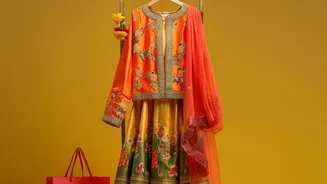
It is customary for families to wear new clothes to welcome the deity. This can be a significant expense, especially for a large family. Budgeting for traditional attire for everyone should be part of your plan. Additionally, you might exchange gifts with close family and friends. A recent survey indicates that fashion and apparel are a top spending category during the festive season for Indian consumers. Setting aside a specific amount for festive shopping can prevent overspending.
Visarjan and Miscellaneous Costs
The farewell procession (visarjan) also has associated costs. This could include transport to the immersion site, especially for larger idols, and costs for dhol-tasha bands or a sound system. For community celebrations, these expenses can be quite high. Don't forget to budget for miscellaneous expenses like contributions to your local community pandal, travel if you are visiting your hometown for the festival, and any last-minute purchases. These smaller costs can add up quickly, so it's wise to keep a contingency fund.