


The Two-Hour Rule: A Global Standard
The most important guideline to remember is the two-hour rule. According to food safety experts worldwide, including the US Department of Agriculture (USDA), perishable foods should not be left at room temperature for more than two hours. This applies
to all cooked foods, including meats, poultry, eggs, and casseroles, as well as leftovers from a meal. After this two-hour window, the food should be refrigerated or discarded. This isn't just a suggestion; it's a critical timeframe to prevent the growth of harmful bacteria that you cannot see, smell, or taste.
Understanding the 'Danger Zone'
The reason for the two-hour rule is a concept called the 'Danger Zone'. This is the temperature range between 4°C and 60°C (40°F and 140°F), where bacteria like Salmonella, E. coli, and Staphylococcus can multiply rapidly. In fact, the number of bacteria can double in as little as 20 minutes when food is left in this temperature range. Your kitchen counter, dining table, or any place at room temperature falls squarely within this zone. Keeping food out for longer than two hours gives these pathogens enough time to grow to dangerous levels, significantly increasing the risk of food poisoning.
The One-Hour Rule for Hot Climates
For those living in India and other warm climates, the rule becomes even stricter. When the ambient temperature is above 32°C (90°F), the window for leaving cooked food out shrinks to just one hour. The extra heat accelerates bacterial growth, making food unsafe much faster. Given that many parts of India experience temperatures well above 32°C for much of the year, adopting the one-hour rule is the safest approach for your family's health. This applies to picnics, outdoor parties, and even just food left in a hot car or kitchen.
Best Practices for Cooling and Storing
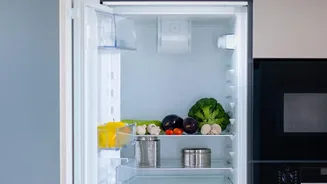
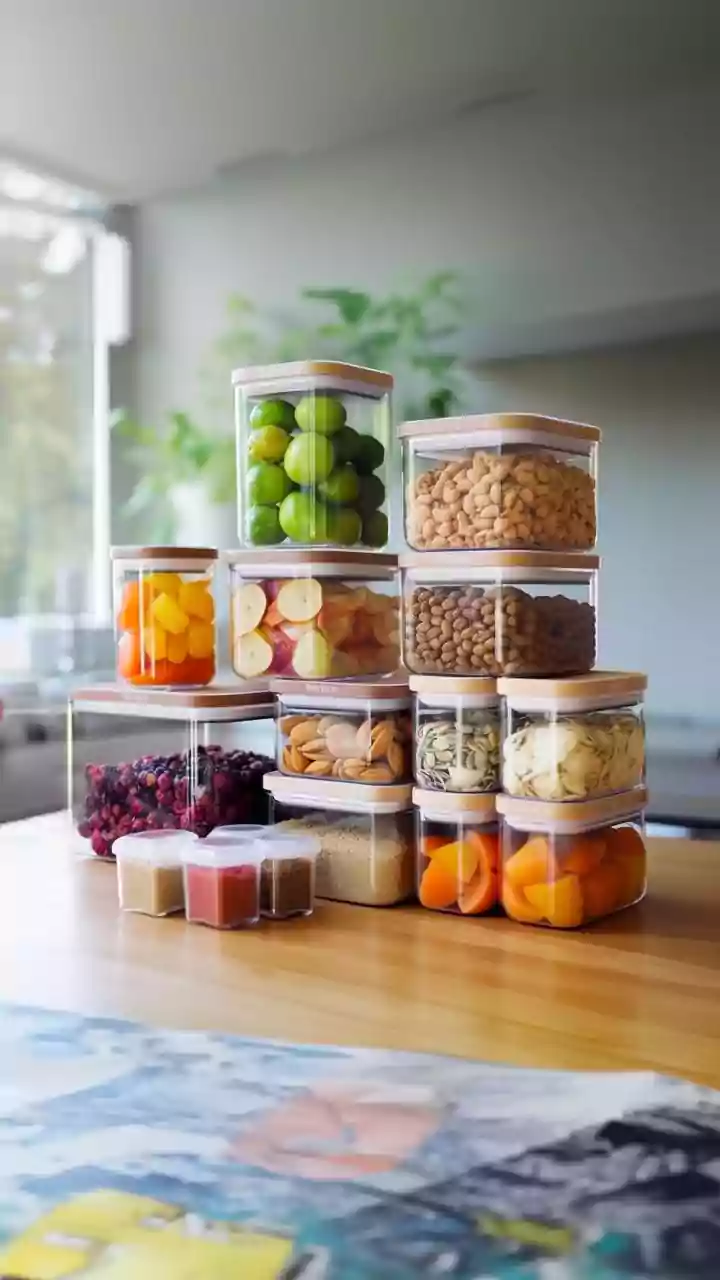
Properly cooling and storing food is just as important as the time it spends on the counter. Never place a large, hot pot directly into the refrigerator, as it can raise the internal temperature of the appliance and put other foods at risk. Instead, you should aim to cool foods quickly. Divide large quantities of food, like a big pot of biryani or dal, into smaller, shallow containers. This increases the surface area and allows the food to cool down much faster. Once the steam has dissipated, cover the containers and place them in the fridge. The Food Safety and Standards Authority of India (FSSAI) advises keeping your refrigerator temperature below 5°C to effectively slow bacterial growth.
When in Doubt, Throw It Out
You might be tempted to reheat food that has been left out for too long, thinking the heat will kill any bacteria. This is a dangerous myth. While reheating can kill some bacteria, it cannot destroy the heat-resistant toxins that certain bacteria, like Staphylococcus aureus, produce. These toxins can make you very sick, and no amount of heating will make the food safe to eat again. The same goes for food that looks and smells perfectly fine. Many harmful bacteria do not alter the appearance or odour of food. The safest and most reliable rule is simple: when in doubt, throw it out.