



Seated Cat-Cow Stretch
Hours spent hunched over a desk can lead to a stiff back and a foggy mind. The Seated Cat-Cow is a perfect antidote that you can do without even leaving your chair. Sit at the edge of your seat with your feet flat on the floor. Place your hands on your knees.
As you inhale, gently arch your spine and look up, opening your chest—this is the 'Cow' part. As you exhale, round your spine, tuck your chin to your chest, and let your shoulders curve forward—this is the 'Cat.' Repeating this simple flow five to ten times helps release tension in your spine, neck, and shoulders. This gentle movement also encourages mindful breathing, which can calm a racing mind and bring your focus back to the present moment, making it easier to tackle that next chapter or problem set.
Neck Rolls and Shoulder Shrugs
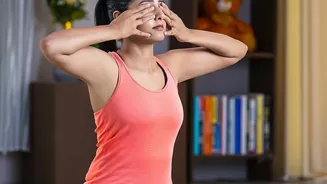
Stress often builds up as tightness in the neck and shoulders. These areas can feel heavy and sore after long periods of reading or writing. To release this tension, sit up tall and gently drop your right ear toward your right shoulder, holding for a few deep breaths. Roll your chin down to your chest and then over to the left side. Avoid rolling your head all the way back, as this can strain your neck. After a few rolls, return your head to the center and inhale deeply as you lift your shoulders up toward your ears. Exhale with a sigh and let them drop completely. Repeating this a few times can provide an immediate sense of release, lessening the physical strain that often accompanies mental stress and helping you feel more relaxed and alert.
Child's Pose (Balasana)
When you feel completely overwhelmed, Child's Pose is a restorative posture that signals your nervous system to rest. Kneel on the floor, bring your big toes to touch, and sit back on your heels with your knees wide apart. Fold forward, resting your torso between your thighs and your forehead on the floor. You can stretch your arms out in front of you or rest them alongside your body. This pose gently stretches the hips, thighs, and lower back while calming the brain. Staying in Child's Pose for a minute or more allows you to turn your attention inward, focusing on the sensation of your breath expanding your back. It is an excellent way to take a mental break, reduce anxiety, and reset before returning to your studies.
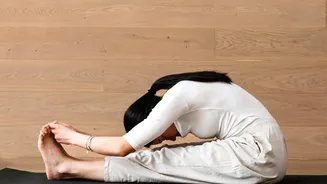
Seated Forward Bend (Paschimottanasana)
This pose is known for its ability to calm the mind and soothe the nervous system, making it a powerful tool against stress. Sit on the floor with your legs stretched out in front of you. You can keep a slight bend in your knees. As you inhale, sit up tall, and as you exhale, hinge at your hips and gently fold forward over your legs. Let your head hang heavy and your arms rest wherever they fall. You should feel a stretch along the back of your legs and your spine. Don't force the stretch; the goal is relaxation. This forward fold is believed to calm the brain and help relieve anxiety and fatigue. Holding this pose for several deep breaths can help quieten the mental chatter that often distracts from effective studying.
Legs-Up-the-Wall Pose (Viparita Karani)
After a long day of sitting or standing, this simple inversion can feel incredibly restorative. Lie on the floor and position yourself so that you can swing your legs up to rest against a wall. Your sitting bones should be as close to the wall as is comfortable. Let your arms rest by your sides with palms facing up. This pose is deeply relaxing and requires almost no effort. It helps to calm the nervous system, drain tension from tired legs and feet, and can even alleviate headaches. Spending five to ten minutes in this position is a fantastic way to decompress after school or before starting your homework. It gives your mind a chance to settle, making it easier to transition into a state of focused concentration.
Eagle Pose Arms (Garudasana Arms)
This stretch is excellent for releasing the tension that gathers in the upper back and between the shoulder blades from slouching. While seated or standing, extend your arms straight forward. Cross your right arm under your left, bend your elbows, and try to bring your palms to touch. Lift your elbows to shoulder height while keeping your shoulders relaxed and away from your ears. You should feel a deep stretch across your upper back. Hold for five breaths, then unwind and repeat on the other side with the left arm under the right. This focused stretch helps correct posture and can relieve the physical strain that often makes it difficult to concentrate for long periods.