





The Rise of a New Fashion Movement
What was once dismissed as simply “second-hand” is now at the forefront of a style revolution among India’s Gen Z. Thrifting, or buying pre-loved clothing, has shed its stigma and emerged as a trendy, smart, and conscious way to shop. This shift is driven
by a desire for individuality in the face of mass-produced garments that dominate mainstream retail. Young shoppers are moving away from the need to own the same trending item as everyone else, instead finding joy in the “treasure hunt” of discovering rare and one-of-a-kind pieces. This growing movement is powered by a new wave of digital-first entrepreneurs, who curate and sell unique clothing through Instagram pages and online stores, making vintage and modern pre-loved fashion more accessible than ever.
Crafting an Identity Beyond Trends
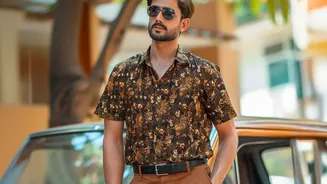
The single biggest draw of thrifting is the promise of a unique wardrobe. When fast-fashion giants stock millions of the same design, thrift stores offer a curated chaos of different eras, styles, and brands. This allows young people to become their own stylists, mixing a vintage jacket with contemporary jeans or an old-school graphic tee with modern sneakers. It's a creative process of self-expression that goes beyond just wearing clothes; it's about building an identity. For many students and young professionals managing tight budgets, thrifting also makes good financial sense. It provides access to high-quality or branded pieces at a fraction of their original cost, making it possible to experiment with style without overspending.
The Circular Fashion Connection
Beyond personal style, thrifting is a powerful tool for promoting environmental sustainability through circular fashion. The traditional fashion industry model is linear: “take, make, dispose.” This results in enormous waste, with the textile industry being a major global polluter. Circular fashion aims to create a closed-loop system where clothes are kept in use for as long as possible through reusing, repairing, and recycling. By purchasing a pre-loved garment, shoppers extend its life and prevent it from ending up in a landfill, directly reducing the demand for new production. This simple act helps conserve resources like water and reduce the carbon emissions associated with manufacturing new clothes, making thrifting one of the most accessible ways to participate in a more sustainable fashion ecosystem.
Navigating India’s Thriving Thrift Scene
India's thrift scene is a vibrant and diverse ecosystem. Instagram has become the primary marketplace, with hundreds of curated stores run by young entrepreneurs. These digital shops, like Bodements, MIRINWON, and Bombay Closet Cleanse, offer everything from Y2K fashion to handpicked vintage pieces, each with a unique aesthetic. Beyond the online world, physical pop-up events and flea markets in cities like Delhi, Mumbai, and Bengaluru provide an interactive shopping experience. This digital and physical blend has created a strong community around thrifting, where sellers and buyers connect over a shared passion for unique fashion and conscious consumerism.
More Than a Trend, A Mindset Shift
While affordability and uniqueness are key drivers, the rise of thrifting in India signals a deeper cultural shift. Younger generations are increasingly aware of the environmental and ethical issues linked to fast fashion. They are rejecting the culture of mindless consumption and seeking more meaningful ways to engage with their clothing. Thrifting aligns perfectly with this mindset, offering a way to be stylish, individualistic, and responsible all at once. Though challenges like quality assurance and lingering stigma remain, the movement is rapidly growing, pushing the Indian fashion landscape towards a more conscious and creative future.