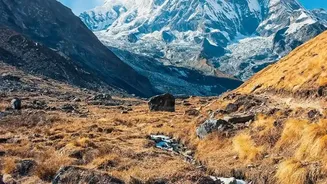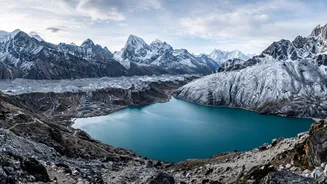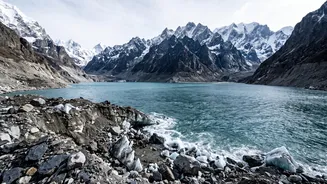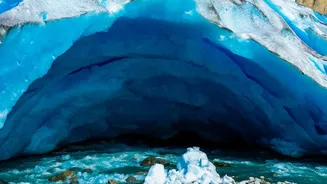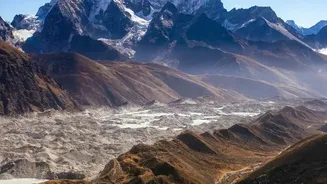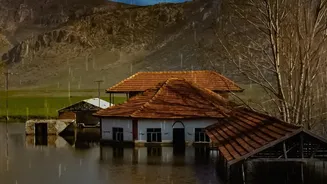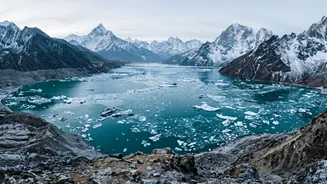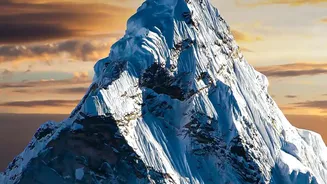




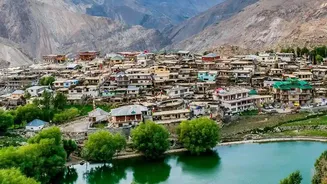
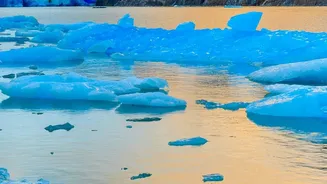
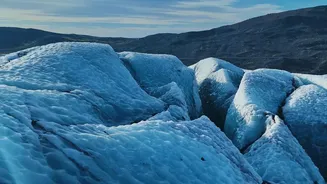
The majestic Himalayas, often seen as a symbol of permanence, are undergoing a rapid and dangerous transformation. Recent UN-backed reports confirm that a hidden threat is growing: the increasing frequency of glacial lake outburst floods, or GLOFs.
What is a Glacial Outburst Flood?
Imagine
a massive bathtub perched high in the mountains, held back only by a fragile wall of loose rock and ice. This is essentially a glacial lake. As glaciers melt due to rising temperatures, they leave behind vast depressions that fill with water. The natural dams holding these lakes are often made of moraine—a mix of soil, rocks, and ice left by a retreating glacier. A Glacial Lake Outburst Flood (GLOF) occurs when this unstable dam fails suddenly. The result is a catastrophic release of millions of cubic metres of water, ice, and debris that rushes downstream as a powerful flash flood, capable of destroying everything in its path for hundreds of kilometres.
A Direct Consequence of Climate Change
The link between climate change and the rising GLOF threat is direct and undeniable. The Hindu Kush Himalayan region is warming faster than the global average. This accelerated warming is causing glaciers to melt at an unprecedented rate, leading to the formation of thousands of new glacial lakes and the rapid expansion of existing ones. One study noted a fivefold increase in the frequency of GLOF events since 1950. As these lakes grow in size and volume, they place immense pressure on their natural, unstable dams. This, combined with triggers like heavy rainfall, avalanches, or seismic activity, makes a breach increasingly likely.
India's Alarming Vulnerability
For India, this is not a distant threat. The Indian Himalayas are home to hundreds of potentially dangerous glacial lakes. Recent studies estimate that around 3 million people in India live in areas at immediate risk from GLOFs, the highest number of any country in the region. In total, India has recorded over 6,100 deaths from these events between 1835 and 2025, a figure that also ranks highest in the Hindu Kush Himalayan region. Past disasters serve as grim reminders of this vulnerability. The 2013 Kedarnath catastrophe was partially caused by a GLOF from Chorabari Lake, and the 2023 South Lhonak Lake outburst in Sikkim destroyed the Teesta III dam, causing widespread devastation downstream. Just days ago, in late October 2026, a GLOF in neighbouring Bhutan prompted the evacuation of over 10,000 people in West Bengal and put Assam on high alert as river levels surged.
The Race to Mitigate an Unseen Hazard
Recognising the escalating danger, Indian authorities have begun to act. The National Disaster Management Authority (NDMA) has issued comprehensive guidelines for GLOF management. The strategy involves a multi-pronged approach. Key among these efforts is the identification and mapping of high-risk lakes using remote sensing technologies like satellite imagery. For the most dangerous lakes, structural mitigation measures are being explored, such as controlled draining to lower water levels. However, the challenges are immense. Many of these lakes are in remote, inaccessible terrain, making monitoring difficult and expensive. Furthermore, because many Himalayan rivers cross national boundaries, effective early warning systems require cross-border data sharing, a complex geopolitical task.