





Before You Leave: The Pre-Commute Check
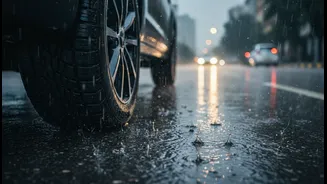
A safe journey begins before you even step out the door. The most critical habit is to perform a quick check on your vehicle. For both two-wheelers and cars, ensure your tyres have adequate tread depth and are properly inflated, as this is crucial for maintaining
grip on wet surfaces. Worn-out tyres are a major risk for skidding and hydroplaning. Next, test your brakes; wet conditions increase stopping distances, so your braking system must be in top shape. Also, confirm that all your lights—headlights, taillights, and indicators—are functioning correctly. Good visibility is a two-way street: you need to see and be seen. Finally, check your weather and traffic apps. If heavy rainfall or major waterlogging is reported on your route, it is always safer to delay your travel or find an alternative path.
On the Road: Navigating Wet and Treacherous Conditions
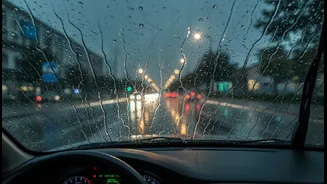
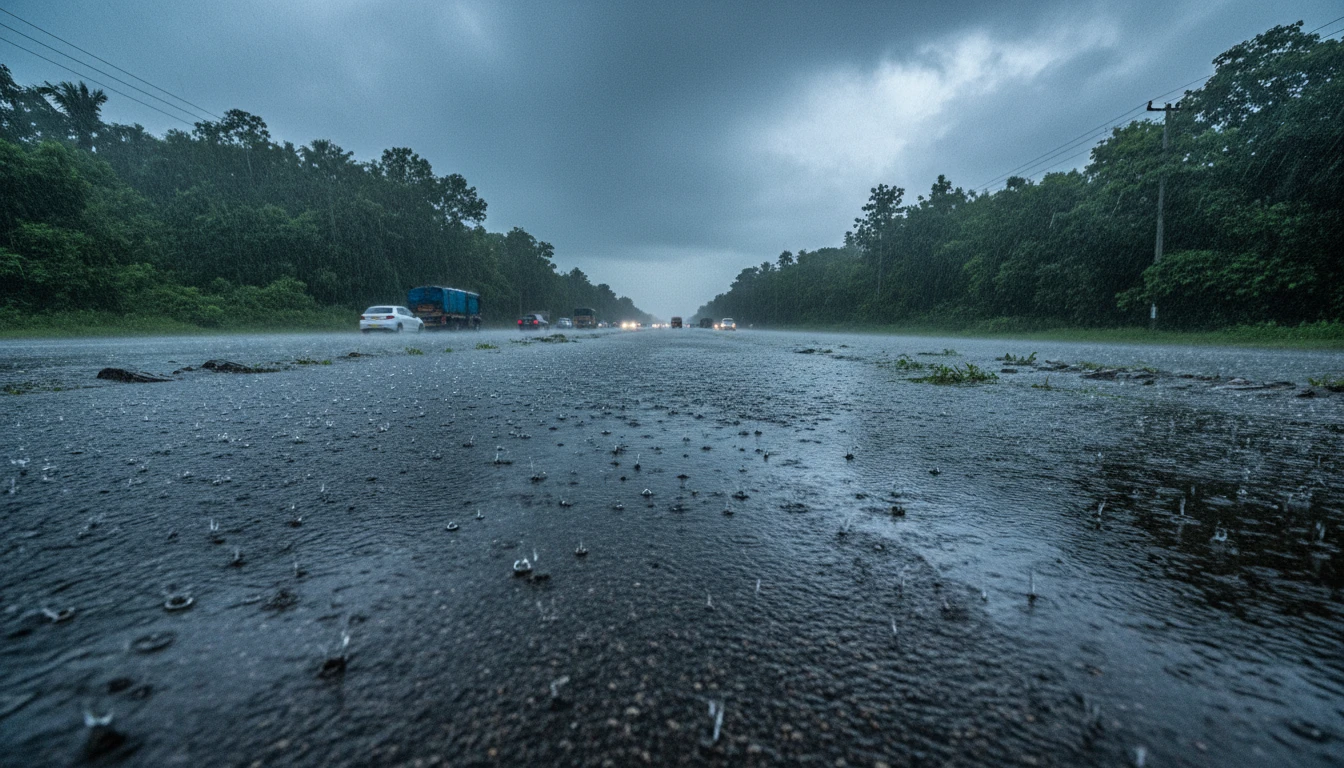
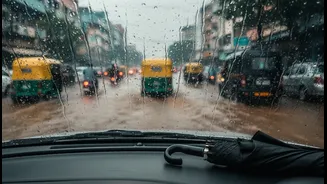
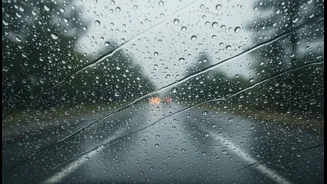
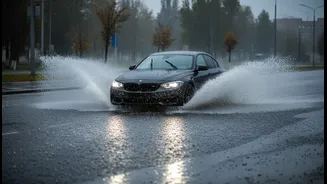
Once you are on the move, adopt a defensive driving mindset. The single most important habit is to reduce your speed. Driving slower gives you more time to react to unexpected hazards like hidden potholes or debris. Maintain a greater distance from the vehicle in front of you—at least double what you would keep in dry conditions—to account for longer braking distances. Avoid sudden acceleration, hard braking, and sharp turns, as these manoeuvres can easily cause a loss of control on slippery roads. One of the biggest dangers on Indian roads during monsoon is waterlogging. Never attempt to drive through a flooded street if you cannot gauge its depth. As little as six inches of moving water can affect a car's control, and deeper water can stall your engine or even sweep your vehicle away. It's always better to turn around than to risk it. For two-wheeler riders, wearing a full-face helmet with an anti-fog visor is essential for clear vision. Reflective or brightly coloured gear will also make you more visible to other drivers in low-light conditions.
Personal Gear and Essentials to Carry
Your personal preparation is just as important as your vehicle's. Always carry a raincoat or umbrella. Wearing quick-dry synthetic clothing can prevent the discomfort and health risks of staying in damp clothes for long periods. Opt for footwear with a good grip to avoid slipping on wet pavements or station platforms. It's also wise to keep your electronic devices, wallet, and important documents in a waterproof bag. Pack a small emergency kit containing a fully charged power bank, a towel, some light snacks, drinking water, and basic medicines. Getting stuck in a monsoon traffic jam is common, and being prepared can make a long wait more manageable. For two-wheeler riders, waterproof boots and gloves with a firm grip are non-negotiable for maintaining control and comfort.
Post-Commute: Health and Hygiene Habits
Your safety routine doesn't end when you reach your destination. If you get wet, change into dry clothes as soon as possible to prevent fungal infections and catching a cold. Taking a warm shower after being drenched can also help. Be mindful of your feet; walking through stagnant water can expose you to leptospirosis and other bacterial infections. Wash your feet thoroughly with soap and water and dry them completely, especially between the toes. It's also a good habit to boost your immunity during this season. Incorporate foods rich in Vitamin C, like citrus fruits, into your diet and stay well-hydrated by drinking clean, boiled, or filtered water. Avoid street food, especially raw or pre-cut items, as the risk of contamination is much higher during the monsoon.