



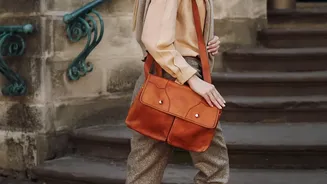
The Crisp vs. Comfortable Conflict
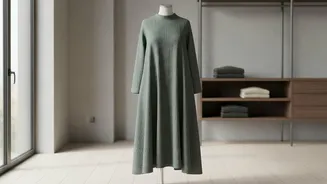
At the heart of the commuter's wardrobe dilemma is the conflict between structured and unstructured clothing. A 'structured' outfit is defined by its clean lines and defined silhouette, often achieved through shoulder pads, canvassing, and stiff fabrics.
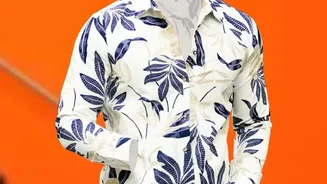
Think of a traditional wool blazer, a starched cotton shirt, or sharply creased trousers. These pieces communicate professionalism and authority. Unstructured clothing, on the other hand, prioritizes comfort and movement. It features softer fabrics, relaxed fits, and minimal internal construction, allowing the garment to follow the body’s natural lines. While a structured blazer might look powerful in the boardroom, it can feel restrictive and prone to wrinkling after an hour spent sitting in traffic or navigating a packed bus.
Why Structure Suffers on the Go
Long commutes are tough on tailored clothing. The primary culprit is wrinkling. Fabrics like pure cotton and linen, while breathable, can look rumpled after extended periods of sitting. The constant movement—walking to the station, climbing stairs, shifting in your seat—strains seams and can cause stiff materials to pull uncomfortably. Temperature fluctuations also play a major role. You might leave a cool, air-conditioned home, face a humid platform, and then sit in a chilly office. Structured, heavy fabrics don't adapt well, whereas layers and breathable materials offer much-needed flexibility. Furthermore, a long journey often means carrying a bag, which can crush the shoulder pads of a blazer or cause a stiff shirt to bunch up.
The Rise of Unstructured Power Dressing
Thankfully, professionals no longer have to choose between looking capable and feeling comfortable. The modern workplace has embraced a more relaxed aesthetic, often called 'power casual'. This style blends polish with practicality, proving that you don’t need rigid tailoring to command respect. The new power pieces are items like knit blazers, which offer the shape of a jacket with the comfort of a cardigan, and tailored trousers made from fabrics with a hint of stretch. Brands are increasingly engineering workwear specifically for busy lives, creating polished pieces that can handle long days, business trips, and commutes. The focus has shifted to high-quality materials that hold their shape without feeling restrictive, allowing for a look that is both professional and genuinely comfortable from morning to evening.
Building a Commute-Proof Wardrobe
To conquer the commute in style, fabric choice is everything. Look for materials that are wrinkle-resistant and breathable. Merino wool is a great option as it regulates temperature and resists odour, while modern technical blends incorporating Lycra or elastane offer stretch and recovery. Fabrics like Tencel, modal, and high-quality ponte knits provide a smooth, polished look without the stiffness of traditional weaves. Many brands now offer dedicated 'no-iron' or 'wrinkle-free' collections that are designed to look crisp straight out of a suitcase or after a long journey. Beyond fabric, consider smart strategies like the 'commuter shoe'—wearing comfortable flats or sneakers for the journey and swapping into heels kept at the office. Another popular trick is to carry your blazer and put it on upon arrival, ensuring it stays pristine.