



The Monsoon's Temporary Cleanse
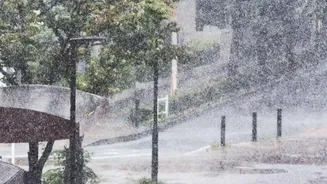
Throughout the monsoon months, heavy and sustained rainfall provides a natural and highly effective cleansing service for the atmosphere. Raindrops capture and wash away suspended particulate matter (PM2.5 and PM10), which are the tiny, harmful pollutants
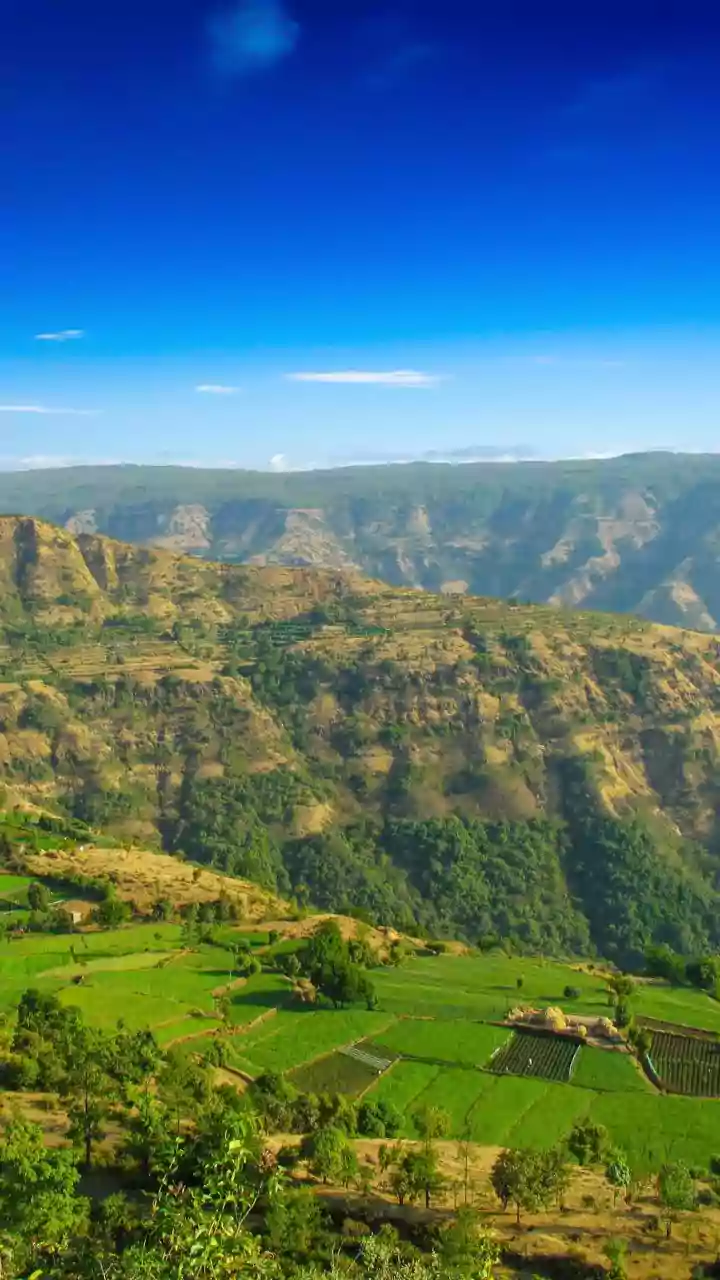
responsible for making the air hazy and toxic. Stronger winds that accompany the monsoon system also help to disperse pollutants, preventing them from accumulating in one place. This combination of wet scavenging and ventilation is why the sky looks bluer and the air feels fresher. However, studies show this relief is fleeting. Pollution levels can rebound within 24 to 48 hours after a rainy spell, proving that the sources of pollution never actually went away; they were just temporarily masked.
The Calm After the Storm
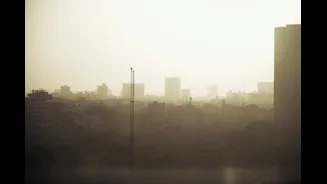
The problem begins as soon as the monsoon withdraws, typically around late September. The weather pattern shifts dramatically. The strong winds die down, and the air becomes stagnant. This lack of wind means that there is no longer a mechanism to blow away the pollutants that are generated daily. Instead of being dispersed, emissions from traffic, industry, and construction dust start to hang in the air and accumulate. The end of the rain means no more natural washout, and the drop in wind speed means pollutants stay where they are produced. This creates the first layer of the pollution buildup that defines the post-monsoon season.
The Return of Farm Fires
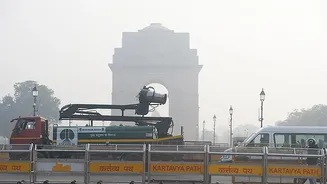
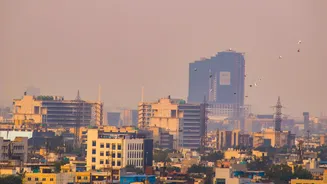
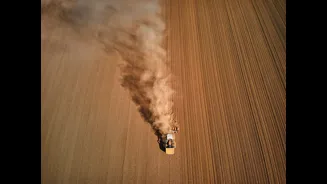
The most significant factor that tips the air quality from 'moderate' to 'severe' in October is the start of the crop residue burning season in neighbouring states like Punjab and Haryana. Farmers, in a rush to clear their fields after the rice harvest to prepare for the winter wheat crop, resort to burning the leftover stubble. This practice starts in late September and intensifies throughout October. Prevailing northwesterly winds at this time of year carry the massive plumes of smoke directly over the Indo-Gangetic Plain, blanketing cities like Delhi in a thick, toxic haze. While local pollution sources build the base level of poor air, it is this large-scale, transboundary movement of smoke that is responsible for the dramatic spikes in PM2.5 levels seen each October.
The Winter Lid: Temperature Inversion
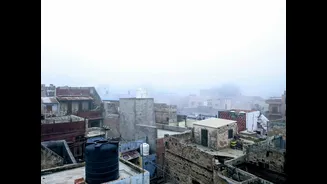
Compounding the problem is a meteorological phenomenon known as temperature inversion, which becomes more frequent as winter approaches. Normally, the air closer to the ground is warmer and rises, allowing pollutants to disperse vertically. During a temperature inversion, this pattern flips. A layer of warmer air sits on top of a layer of cooler, denser air near the ground, acting like an invisible lid. This traps all the accumulated pollution—from vehicles, industries, and farm fires—in the very air we breathe. The Himalayas to the north often block the pollutants from escaping, creating a 'bowl' effect over the plains. This trapping mechanism is why the smog can linger for days, leading to prolonged periods of dangerously poor air quality that mark the beginning of North India's long pollution season.