






Recovery at Sea: The First Checkpoint
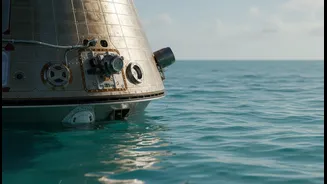
The moment the Orion capsule splashed down in the Pacific Ocean, a meticulously planned operation swung into motion. A joint U.S. Navy and NASA team was on standby to recover both the four-person crew and the spacecraft. After divers assessed the area
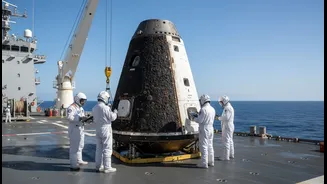
to ensure it was safe, they helped the astronauts exit onto an inflatable raft before airlifting them to the USS John P. Murtha for medical checkups. With the crew safe, attention turned to the capsule itself. Teams worked to tow Orion into the well deck of the naval ship. This recovery isn't just about retrieval; it's the first step in a long process of analysis, with initial inspections of the capsule beginning right there on the ship.
The All-Important Heat Shield
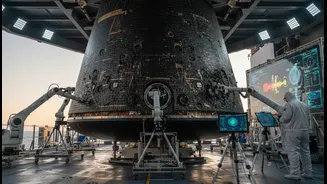
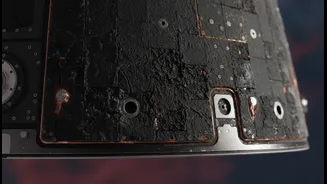
One of the most critical components under review is the heat shield. During its fiery reentry through Earth's atmosphere, the capsule endured temperatures of nearly 2,760 degrees Celsius. The performance of the heat shield is paramount for astronaut safety. Following the uncrewed Artemis I mission, engineers noted some unexpected erosion of the shield material. Because of this, the Artemis II shield was a key focus. Divers captured underwater imagery of the shield immediately after splashdown, and initial inspections on the recovery ship suggested that the char loss seen on Artemis I was significantly reduced. The shield will eventually be transported to NASA's Marshall Space Flight Center for more intensive analysis, including X-ray scans, to get a complete picture of its performance.
A Treasure Trove of Data
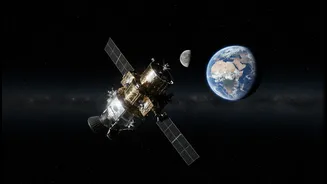
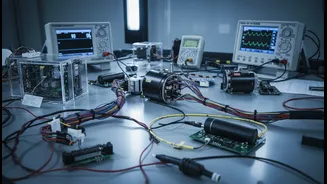
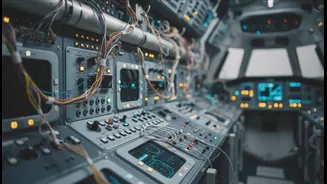
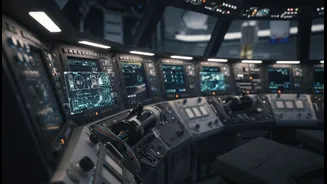
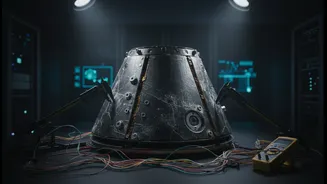
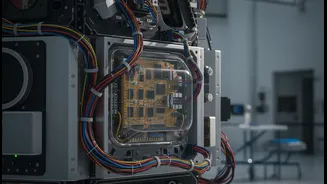
The Orion spacecraft is essentially a flying data-recorder. The Artemis II mission's main goal was to test all of the spacecraft's systems with a crew on board in deep space. Now that it’s back, engineers are eager to download and analyze the terabytes of information captured by thousands of sensors. This data covers everything from the performance of the life support systems, navigation, and propulsion, to the radiation levels inside the cabin. This information is vital for validating the spacecraft’s design and making any necessary adjustments for future missions. The plan is for the data to be peer-reviewed and eventually released to the public and scientific community, ensuring the mission's findings have a broad impact.
The Human Factor
Beyond the hardware, the Artemis II mission was a test of human endurance in deep space. The crew participated in several studies to understand how the body and mind react to travelling beyond the protection of Earth's magnetic field. Researchers are closely examining data on sleep patterns, stress levels, and cognitive performance. Upon their return, the astronauts underwent a series of medical checks and even obstacle courses to test their balance and adaptation to Earth's gravity. This research is crucial for planning longer missions, like Artemis III's lunar landing and eventual journeys to Mars, ensuring crews can perform critical tasks safely and efficiently.
Preparing for Artemis III and Beyond
Every check and analysis performed on the Artemis II hardware and data has a direct impact on the next mission. After arriving back at the Kennedy Space Center, the Orion capsule will be carefully deconstructed. Reusable components, like avionics and seats, are inspected, certified, and potentially installed on the Orion spacecraft destined for Artemis III. The process is a stepping stone; Artemis II was planned to reuse hundreds of parts, but for Artemis III, the goal is to reuse over 5,000 components, moving towards a more sustainable model of lunar exploration. The detailed analysis ensures that when the next crew blasts off for the Moon, they are flying in a spacecraft that is not just new, but improved by the lessons learned from the mission before it.