





The Science of a Refreshing Mood
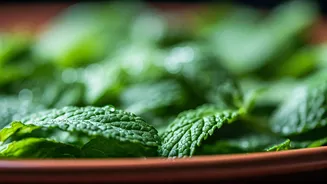
What makes mint so special? It comes down to a compound called menthol. When you eat mint, menthol tricks the sensory receptors in your mouth into feeling a cooling sensation, even though there's no actual temperature change. This fresh, clean feeling can
cut through the richness of a heavy meal, making the entire dining experience feel lighter and more invigorating. The aroma itself is also powerful; the bright scent of pudina is known to be uplifting and can even help improve focus. In Ayurveda, it's considered a 'cooling' herb that helps balance the body and mind, making it the perfect antidote to a long, tiring day.
More Than Just Chutney and Tea
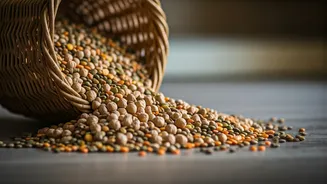
In many Indian households, pudina is synonymous with two things: a zesty green chutney or a soothing cup of tea. While both are classics for a reason, this versatile herb has so much more to offer. Its unique flavour profile—cool, aromatic, and slightly sweet—pairs beautifully with a wide range of ingredients. It can provide a refreshing contrast to fiery spices, add a burst of freshness to earthy dals and lentils, and bring a surprising brightness to vegetable stir-fries. Thinking of mint only as a sidekick is to miss its potential as a star player in your main course.
Easy Ways to Brighten Your Dinner Plate
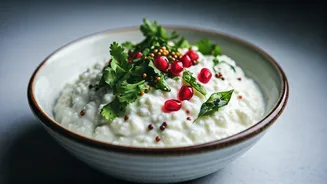
Incorporating mint into your dinner doesn't require complex recipes. Start with simple additions. Finely chop a few fresh leaves and sprinkle them over your finished dal or sabzi, just as you would with coriander. The heat from the dish will release the mint's aromatic oils, instantly changing its character. Whisk chopped mint into plain dahi to create a quick, refreshing raita that can accompany anything from biryani to simple parathas. For a more subtle flavour, infuse your cooking oil by gently warming it with a few mint sprigs before you start cooking. Another simple trick is to add whole mint leaves to your water jug for a refreshing drink that cleanses the palate between bites.
A Perfect Partner for Savoury and Spicy
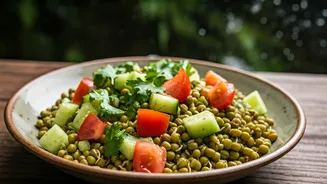
Mint’s cooling properties make it the perfect partner for the bold, spicy flavours common in Indian cuisine. It provides relief from a pleasantly fiery dish, creating a balanced and moreish eating experience. Think of how it complements rich, savoury meats like lamb, a classic pairing in many cuisines. You can create a simple marinade for chicken or paneer with yogurt, garlic, ginger, and a generous handful of crushed mint leaves. The herb's freshness cuts through the richness and adds a layer of complexity. It works wonders in salads, not just as a garnish, but as a primary green, tossed with cucumber, tomato, and a simple lemon dressing.
Feel-Good Food in Every Sense
Beyond its incredible flavour, mint is also known for its digestive benefits. It has traditionally been used to soothe the stomach, reduce bloating, and ease indigestion. This is because menthol can help relax the muscles of the digestive tract. So, when mint 'changes your dinner mood,' it's not just about the taste and aroma. It's about that feeling of comfort and well-being that follows a good meal. By adding a touch of mint, you're not only making your food more exciting but also potentially making it easier on your stomach, leaving you feeling refreshed and content.