





Lady's Finger (Bhindi)
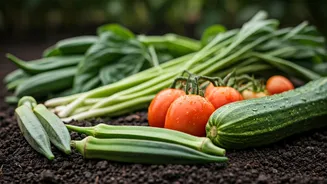
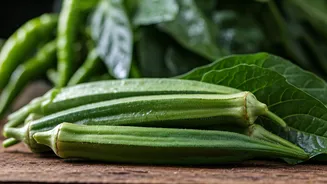
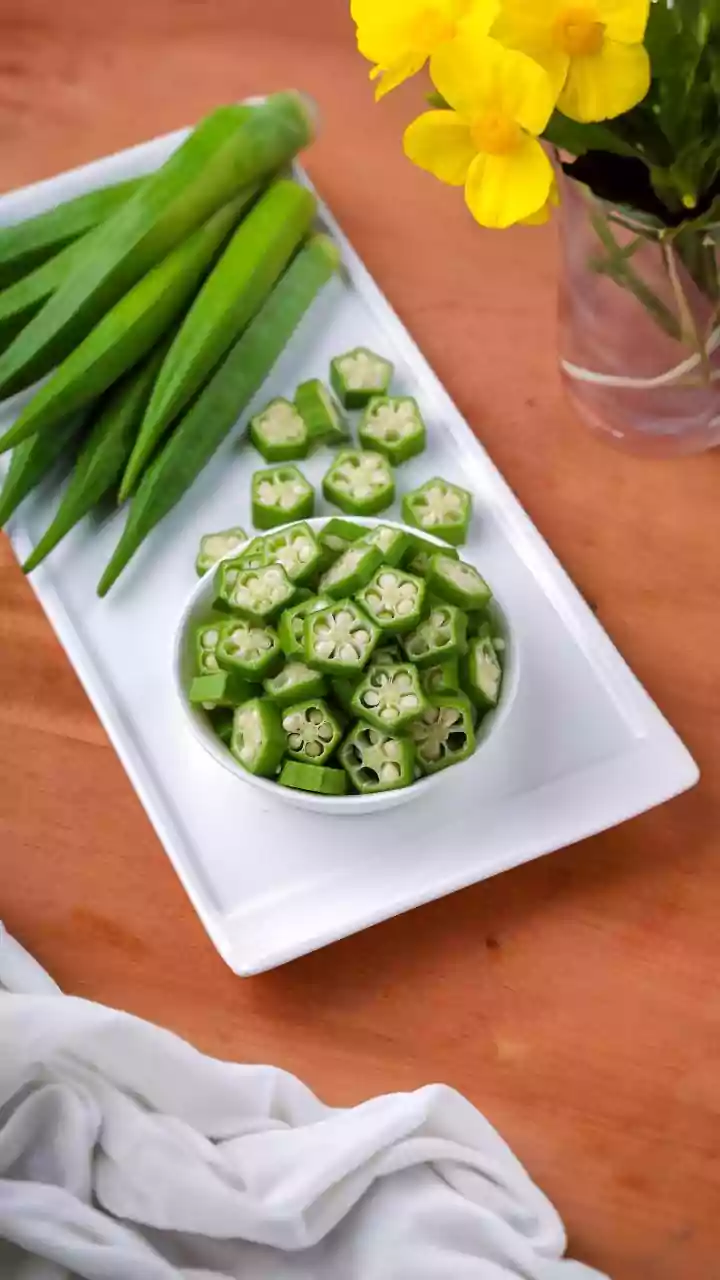
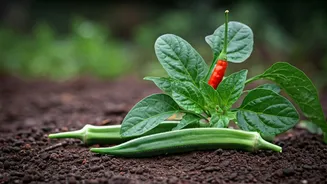
A staple in Indian kitchens, Bhindi is wonderfully resilient and loves the warm, humid conditions of the monsoon. It's one of the most reliable vegetables for beginner gardeners. The key is well-draining soil, as waterlogging is its main enemy. Plant
seeds in a sunny spot, either in large pots (at least 12 inches deep) or directly in a garden bed. Sow the seeds about an inch deep and 5-6 inches apart. You'll see sprouts in under a week. Bhindi plants grow tall, so they may need staking for support as they get heavier with pods. Harvest the pods when they are tender and about 4-5 inches long; if they get too big, they become tough and fibrous. Regular harvesting also encourages the plant to produce more pods.
Cucumber (Kheera)
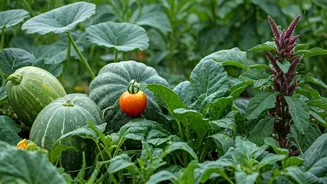
Nothing beats the taste of a fresh, crunchy cucumber, and the monsoon is the perfect time to grow them. These vining plants love water, and the ambient humidity helps them flourish. For best results, grow them on a trellis or support structure. This keeps the fruits off the wet ground, preventing rot and saving space. Sow 2-3 seeds together in a pot or on a mound of soil. Once the seedlings have a few true leaves, thin them out, leaving only the strongest one. Ensure your soil is rich in organic matter like compost. Keep an eye out for pests like cucumber beetles, but the good airflow from trellising helps minimise fungal diseases common in the wet season. Harvest cucumbers when they reach your desired size for the best flavour and texture.
Bottle Gourd (Lauki)
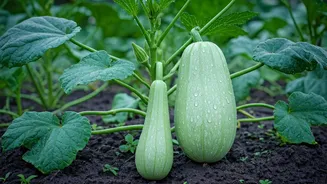
Lauki is a vigorous climber that grows prolifically during the monsoon. Its large leaves seem to enjoy the rain, and it produces an abundance of gourds with minimal fuss. Like cucumbers, it needs a strong trellis, fence, or wall to climb. The weight of the mature gourds can be substantial, so ensure your support is sturdy. Sow seeds directly into a large container or garden patch with plenty of compost mixed in. The plant requires consistent moisture but, again, not waterlogged soil. One of the joys of growing Lauki is watching the gourds grow bigger almost overnight. Harvest them when the skin is still smooth and pale green; you should be able to easily pierce it with a fingernail.
Radish (Mooli)
If you're looking for a quick and satisfying harvest, look no further than radish. Many varieties are ready to eat in just 30-45 days, making them perfect for impatient gardeners. Radishes thrive in the cooler, moist conditions that the monsoon provides. They don't need a lot of sun, making them ideal for balconies or spots that get only a few hours of direct light. Sow seeds directly into loose, well-draining soil. If your soil is heavy clay, mix in sand or compost to lighten it, as this allows the roots to grow straight and large. Thin out the seedlings to give each root enough space to swell. Don't throw away the thinned leaves; they are delicious and nutritious when cooked like other greens.
Leafy Greens (Palak & Amaranth)
The monsoon is an excellent time for growing a variety of leafy greens. Spinach (Palak) and Amaranth (Chaulai/Lal Saag) are particularly well-suited for this season. They grow quickly and can be harvested multiple times. This 'cut-and-come-again' method means you can enjoy fresh greens for several weeks from a single planting. Broadcast the seeds thinly over a prepared bed or in a wide container filled with fertile soil. Keep the soil moist. You can start harvesting the outer leaves once they are a few inches tall, leaving the inner leaves to continue growing. This continuous harvest provides a steady supply for your kitchen and prevents the plants from getting overgrown.
Essential Monsoon Gardening Tips
While these vegetables are hardy, a few simple practices will ensure success. First, prioritize drainage. Use pots with plenty of holes and add a layer of broken pottery or gravel at the bottom. For garden beds, create raised mounds to keep roots from sitting in water. Second, water wisely. Even though it's raining, container plants under a roof may still need watering. Check the soil moisture with your finger before adding more water. Finally, allow for good air circulation by giving plants enough space. This is the single best defence against common fungal issues like powdery mildew that thrive in damp, stagnant conditions.