




Oranges: The Classic Winter Staple
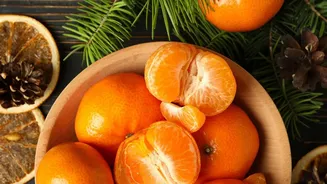
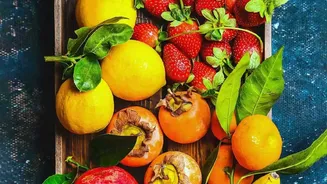
No winter fruit list is complete without the iconic orange, or 'santra'. At their peak during the colder months, these citrus powerhouses are brimming with vitamin C, a vital nutrient for strengthening the immune system against common winter ailments
like colds and flu. The fibre in oranges aids digestion and helps you feel full, while antioxidants like flavonoids contribute to heart health by reducing inflammation and improving blood vessel function. Beyond just immunity, the high water content helps you stay hydrated during the dry winter months, and the vitamin C also plays a role in collagen production for healthier skin.
Pomegranate: The Ruby-Red Immunity Booster
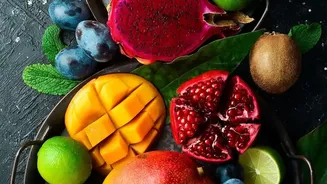
Known as 'anar' in India, pomegranates are another winter treasure. Their jewel-like seeds are packed with powerful antioxidants, which help protect your body's cells from damage and reduce inflammation. Rich in vitamins C and K, pomegranates are excellent for boosting immunity and supporting heart health by helping to lower blood pressure and improve cholesterol levels. Some studies even suggest that the compounds in pomegranates can support endurance and give your memory a boost, making them a smart and delicious addition to your daily routine.
Guava: The Fibre-Rich Powerhouse
Guava, or 'amrud', is a humble fruit with an extraordinary nutritional profile, widely available throughout the Indian winter. It is one of the richest sources of vitamin C, containing even more than oranges, which is essential for a robust immune system. Guavas are also exceptionally high in dietary fibre, which aids digestion, prevents constipation—a common issue with heavy winter diets—and can help with weight management by making you feel fuller for longer. Its low glycemic index makes it a suitable fruit for those managing blood sugar levels.
Custard Apple: The Creamy, Natural Dessert
Often called 'sitaphal', the custard apple is a unique and delicious fruit that peaks during the winter season. With its creamy, sweet pulp, it serves as a healthy alternative to processed desserts. Custard apples are a good source of energy due to their natural sugars and are rich in essential nutrients like vitamin C, B6, potassium, and magnesium. These nutrients help boost immunity, support heart health by regulating blood pressure, and improve digestion. The antioxidants present in the fruit also contribute to better eye and skin health.
Indian Gooseberry: The Ayurvedic Superfood
Amla, or the Indian Gooseberry, is a small, green fruit revered in Ayurveda for its immense health benefits, especially during winter. It boasts one of the highest concentrations of vitamin C, which is famously heat-stable, meaning it retains its nutrients even when processed. This makes amla a powerful immunity booster, helping the body fight off infections like coughs and colds. It also significantly aids digestion, improves metabolism, and is fantastic for skin and hair health, preventing the dryness and dullness often associated with the cold season.
Sapota: The Sweet Energy Booster
Sapota, widely known as 'chikoo', is a sweet, fleshy fruit that offers a quick and natural energy boost thanks to its content of natural sugars like fructose and sucrose. Its season extends into the winter, providing a delicious way to stay active. Chikoo is a great source of dietary fibre, which helps maintain a healthy digestive system and prevents constipation. It is also loaded with vitamins A and C, along with antioxidants, which work together to strengthen the immune system, promote healthy skin, and support overall wellness.
Star Fruit: The Unique and Tangy Treat
Star fruit, or 'kamrakh', gets its name from its distinctive shape when sliced. This juicy, tangy fruit is a low-calorie option packed with nutrients. It's a good source of vitamin C, which helps bolster the immune system, an important benefit during the flu-prone winter months. Star fruit is also rich in fibre, aiding in digestion and helping to regulate blood sugar levels, making it a good choice for those managing diabetes. Its antioxidant and anti-inflammatory properties further contribute to heart health and overall well-being. However, individuals with kidney problems should avoid it.