



The New Face of Indian Hospitality
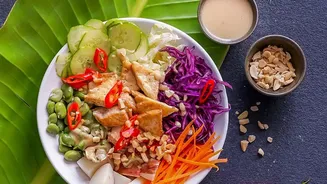
Picture a modern Indian gathering. The energy is young and vibrant, the music is contemporary, but the table setting tells a different story. Instead of disposable tableware, guests are served on large, glossy green banana leaves. The food itself is a colourful
tapestry of dishes made not from generic, mass-produced ingredients, but from organic produce sourced from local farms. This is the scene unfolding in homes across the country, as a generation of hosts, particularly millennials and Gen Z, moves away from the convenience of single-use plastics. They are consciously choosing a path that is sustainable, healthy, and deeply connected to India’s cultural roots. This shift isn't just about reducing waste; it's a statement about values, a quiet revolution in hospitality that prioritises mindfulness over mass consumption.
The Revival of the Banana Leaf
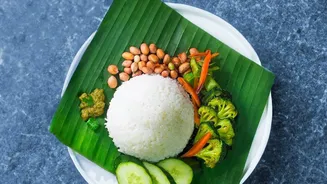
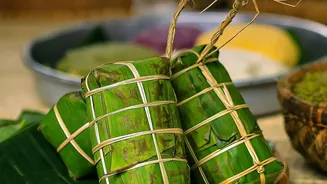
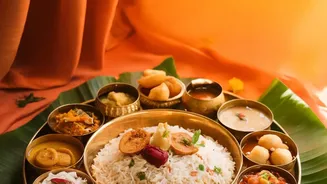
For centuries, eating on a banana leaf has been a tradition in many parts of India, especially in the south and for festive occasions like Onam Sadya. Today's young hosts are reviving this practice for compelling modern reasons. Firstly, it’s an incredibly sustainable choice. Banana leaves are completely biodegradable, breaking down naturally and enriching the soil, unlike plastic plates that clog landfills for centuries. They are also practical; their large, waterproof surface can hold a multi-course meal without leaking or getting soggy. Beyond the environmental benefits, there is a subtle culinary advantage. When hot food is placed on a banana leaf, its natural wax coating melts slightly, releasing polyphenols and imparting a faint, earthy aroma that enhances the flavour of the meal. This practice also carries deep cultural significance, symbolising purity, prosperity, and a connection to nature.
A Feast Sourced from the Region
Hand-in-hand with traditional tableware is a renewed focus on the food itself. Young hosts and eco-conscious caterers are increasingly building their menus around organic, seasonal, and locally sourced produce. This farm-to-table approach serves multiple purposes. It directly supports local farmers and regional economies, reduces the carbon footprint associated with transporting ingredients over long distances, and guarantees fresher, more flavourful food. The movement has sparked a larger culinary revival, with chefs and home cooks alike rediscovering and celebrating India's vast diversity of regional cuisines and indigenous ingredients, from native millets to forgotten vegetables. These feasts become a journey through the local landscape, offering guests a taste of place that is both authentic and delicious.
More Than Just a Party
The motivation behind this trend goes deeper than just aesthetics or environmentalism. For many young Indians, it's about crafting more meaningful and authentic experiences. Choosing sustainable options is a form of self-expression, reflecting a growing consciousness about health, community, and responsible citizenship. By integrating practices like using banana leaves or sourcing local food, hosts are making a statement against a throwaway culture. They are showing that a celebration can be both beautiful and responsible. This movement aligns with a broader shift among urban youth towards a more mindful lifestyle, which includes everything from sustainable fashion to wellness practices rooted in Ayurveda. The feast becomes more than just a meal; it’s an embodiment of a conscious, modern Indian identity.