




An Explosion of Creativity
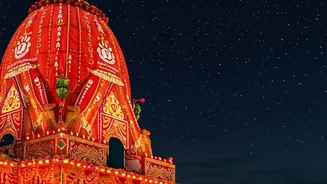
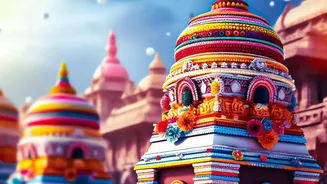
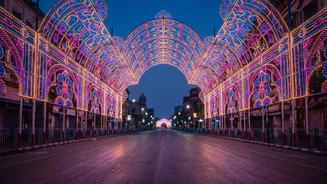
At the heart of the celebration are the pandals, temporary structures that house the idols of Goddess Durga and have become canvases for breathtaking creativity. Each year, committees across the city compete to create the most innovative and immersive
experiences. For 2026, the themes are as diverse as ever. Sreebhumi Sporting Club is recreating Jaipur's iconic Hawa Mahal, while Santosh Mitra Square is marking the 150th anniversary of 'Vande Mataram' with an elaborate sound and light show. These pandals are not just religious sites but major public art installations, drawing millions of pandal-hoppers who queue for hours to witness the spectacle. This creative outpouring is so significant that in 2021, UNESCO recognised Kolkata's Durga Puja as an Intangible Cultural Heritage of Humanity.
The Festival's Economic Engine
Beyond the cultural spectacle, Durga Puja is a powerful economic driver for West Bengal. A 2019 study estimated the creative economy around the festival at over ₹32,000 crore, accounting for a significant percentage of the state's GDP at the time. This massive economic activity supports a diverse ecosystem of artisans, from the idol-makers of Kumartuli to lighting artists, designers, and weavers. The festival also fuels a massive surge in the retail, hospitality, and food and beverage sectors. Furthermore, it creates a unique, temporary advertising market, with brands paying premium rates for visibility at major pandals, where they gain access to a captive audience with significant dwell time. This 'hidden' out-of-home economy, often treated as activation expenses by companies, is estimated by some industry insiders to be worth between ₹800 crore and ₹1,000 crore across the state.
A City in Constant Motion
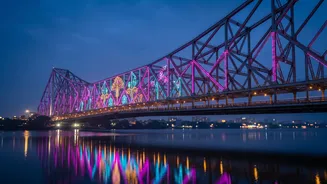
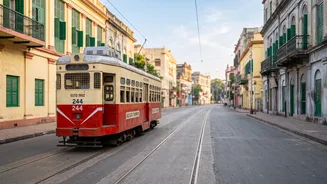
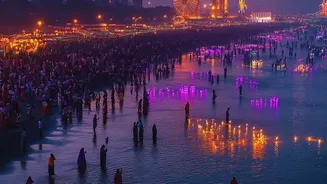
Managing the millions of people who take to the streets is a monumental task. Preparations by the Kolkata Police begin months in advance, with detailed crowd-control plans drawn up for each locality. Key strategies include creating separate entry and exit points for popular pandals, mapping crowd-flow to identify potential bottlenecks, and ensuring clear corridors for emergency vehicles. This year, around 10,000 police personnel, supplemented by approximately 21,000 temporary home guards and NCC cadets, are expected to be deployed across the city to manage the festivities. Public transport systems like the Kolkata Metro see a huge spike in ridership, and traffic restrictions are put in place across dozens of streets to facilitate the movement of pedestrians. For pandal-hoppers, the experience is one of navigating a sea of humanity, a shared journey through the illuminated streets that is as much a part of the festival as the pandals themselves.
More Than Just a Festival
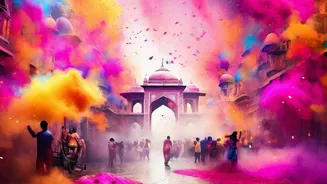
While the pandals and the economic boom are its most visible aspects, the essence of Durga Puja lies in its ability to bring communities together. It is a time for homecoming, when families reunite and friends gather for nights of pandal-hopping and feasting. The state government supports the celebrations through grants to puja committees and by providing subsidised food items to millions of families. From the traditional 'Bonedi Bari' pujas in historic family homes to the massive community celebrations, the festival reinforces social bonds. It is a period where the city's identity is renewed, showcasing a unique blend of devotion, artistic expression, and community spirit that makes it an unparalleled cultural phenomenon.