



A New Generation of Seeing
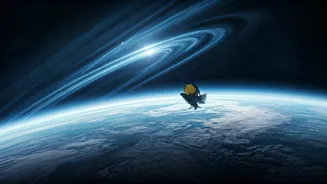
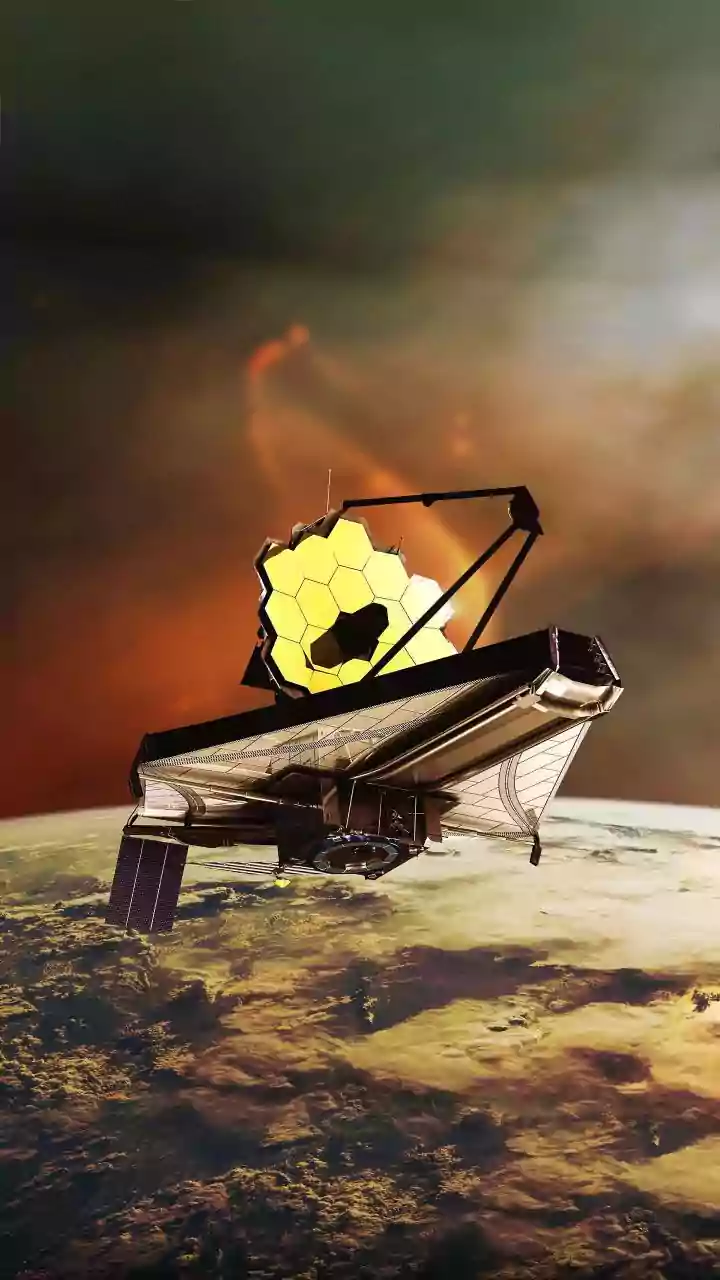
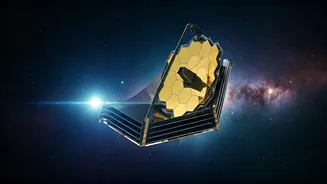
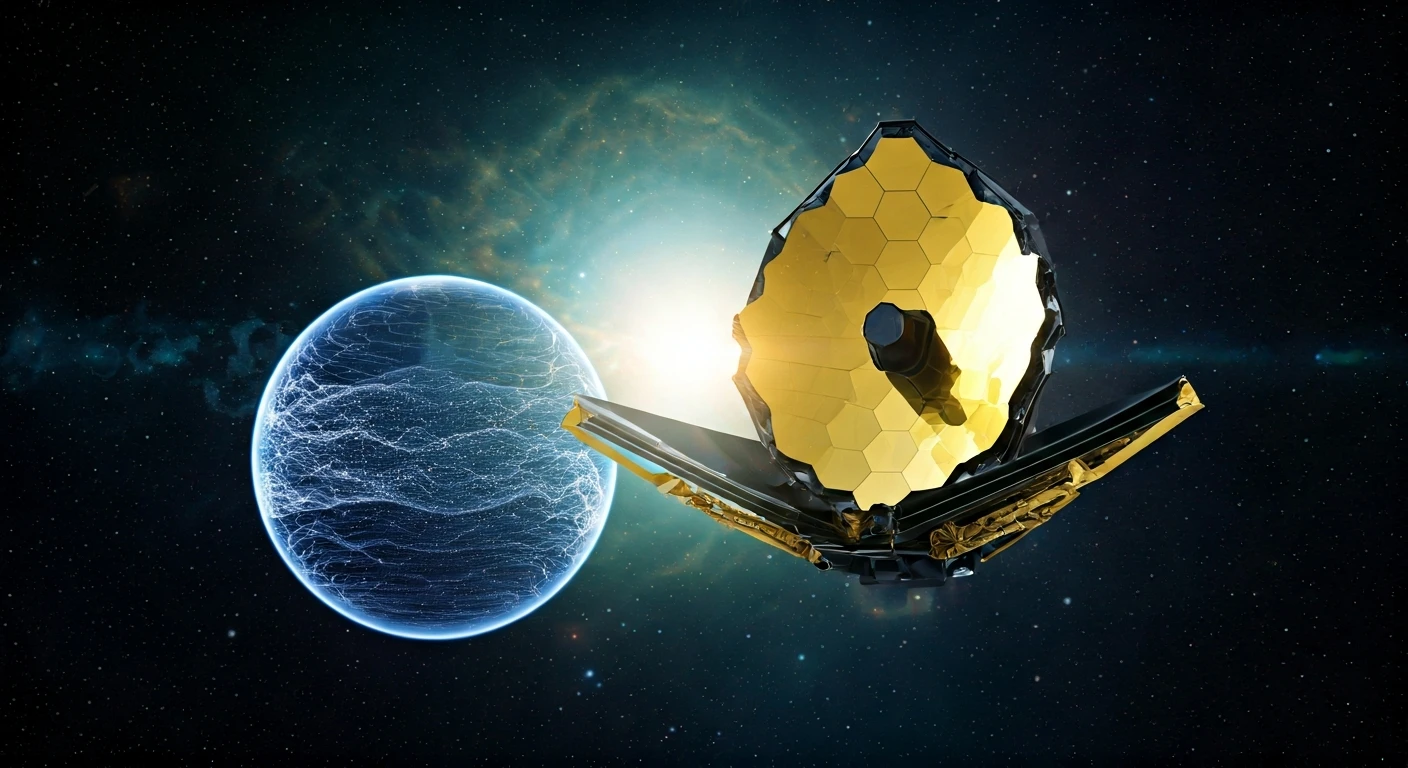
The primary driver of this new era is the James Webb Space Telescope (JWST). While its predecessor, the Hubble Space Telescope, helped us find and confirm thousands of planets, JWST was designed to see the universe in infrared light with unprecedented
sensitivity. This allows it to do something revolutionary: analyze the chemical makeup of alien atmospheres. The technique is called transmission spectroscopy. When an exoplanet passes in front of its host star, a tiny fraction of the starlight filters through the planet’s atmosphere. By capturing this light and seeing which wavelengths are absorbed, astronomers can identify the specific gases and even clouds present. It's like deciphering a planet’s atmospheric barcode from light-years away. This capability has transformed the field from merely cataloging planets to beginning to understand them as dynamic, individual worlds with climates and weather systems.
Forecasts of Sand and Salt
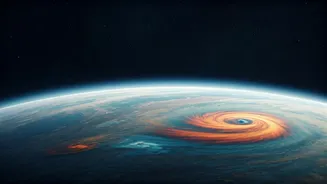
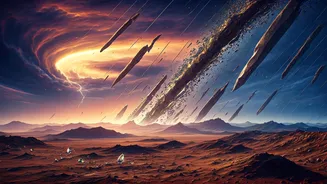
The initial dispatches from this weather era have been nothing short of extraordinary. Take WASP-107b, a puffy, low-density planet nicknamed a “cotton candy” world. Using JWST, astronomers peered into its atmosphere and made a landmark discovery: clouds made of silicate. In other words, its skies are filled with fine grains of sand. Scientists detected a weather cycle similar to Earth's water cycle, but where silicate vaporizes in the hot lower atmosphere, rises to form clouds, and then rains down as sand. This was the first time scientists could determine the actual composition of clouds on an exoplanet. On another world, GJ 1214b, which was long obscured by a thick haze, JWST was able to pierce the veil, revealing a highly reflective atmosphere that may contain water vapor. More recently, in mid-2026, researchers found that the atmosphere of the so-called “Pink Planet” contains clouds made of salt.
Beyond Clouds and Rain
Studying exoplanet weather isn't just about bizarre precipitation. It's about building a complete picture of a planet's climate. The presence, composition, and location of clouds affect a planet’s temperature and how heat is distributed. JWST can map these variations. For example, recent observations of WD 1856 b, a Jupiter-sized planet orbiting a dead star known as a white dwarf, revealed an atmosphere containing hydrocarbons like methane. The telescope also found the planet was significantly hotter than models predicted. This suggests the planet was heated in its past, likely when it migrated into its current tight orbit after its star died. Being able to detect not just the presence of an atmosphere but also its thermal history is a profound leap forward, offering clues about the violent and complex evolution of planetary systems.
The Search for Habitable Skies
Ultimately, the study of alien weather is deeply connected to one of science's most profound questions: are we alone? Understanding the atmosphere of a planet is a critical step in assessing its potential for habitability. Before we can search for signs of life, or biosignatures, we need to understand the background environment. Does the planet have clouds that could support a water cycle? Is its atmosphere stable? Does it have the right chemical building blocks? By characterizing a wide variety of atmospheres, from hot Jupiters with metallic rain to hazy super-Earths, scientists are building a library of planetary climates. This foundational knowledge is essential. It will help researchers identify the most promising Earth-like candidates for future, even more detailed, investigations and distinguish a world that is merely interesting from one that might truly be alive.