








Understanding Low-Impact Cardio
Low-impact exercise is any physical activity that raises your heart rate without subjecting your joints to excessive force. Unlike high-impact workouts such as running or plyometrics, where both feet may leave the ground simultaneously, low-impact activities
ensure at least one foot remains on the ground or your body is supported. This includes activities like brisk walking, cycling, swimming, and using an elliptical machine. The key distinction is the reduction of jarring forces on the ankles, knees, and hips, which minimizes the risk of pain and injury. This makes it a sustainable option for people of all ages and fitness levels, including those with joint issues or recovering from an injury.
The Heart Doesn't Care About Jumps
Your cardiovascular system responds to challenge, not just impact. The heart, being a muscle, gets stronger when it's made to work harder for a sustained period. Low-impact exercises are highly effective at this. Activities like swimming, rowing, and cycling engage large muscle groups, which increases the body's demand for oxygen. This forces your heart to pump more blood, elevating your heart rate into beneficial training zones. The result is improved cardiac efficiency, better circulation, lower blood pressure, and a reduced risk of heart disease—the same core benefits sought from high-impact routines. The effectiveness of cardio is measured by duration, frequency, and intensity, not by how high you can jump.
Top Low-Impact Workouts for a Complete Session
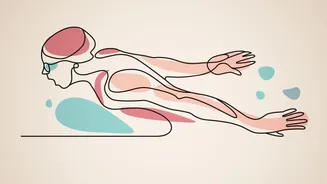
Many accessible and enjoyable activities provide a thorough cardiovascular workout. Brisk walking is a simple yet powerful option that can be done almost anywhere. Cycling, whether on a stationary bike or outdoors, strengthens the legs and builds endurance without straining the joints. Swimming is a full-body workout where the water's buoyancy supports your weight, making it incredibly joint-friendly. Elliptical trainers and rowing machines are also excellent choices; they simulate running or rowing motions but in a controlled, low-impact manner that engages multiple muscle groups for a comprehensive workout. Even certain forms of yoga, Pilates, or dance can elevate your heart rate sufficiently to count as cardio.
How to Maximize Your Low-Impact Workout
To ensure your low-impact session is a 'complete' cardiovascular exercise, focus on intensity and duration. Simply going through the motions isn't enough. Aim to elevate your heart rate to a moderate-intensity zone, which is roughly 60-80% of your maximum heart rate. A good rule of thumb is that you should be able to talk, but not sing, during your workout. Try incorporating interval training by alternating between periods of higher and lower intensity. For example, on a stationary bike, you could pedal hard for one minute and then recover at a slower pace for two minutes. Consistency is also crucial. Aim for at least 150 minutes of moderate-intensity low-impact cardio per week, as recommended by health experts.
The Sustainability Advantage
Perhaps the greatest benefit of low-impact exercise is its sustainability. Because these workouts are gentler on the body, the risk of injury is significantly lower compared to high-impact alternatives. This allows for more consistent training, which is the true key to long-term fitness. People are more likely to stick with an exercise routine that doesn't cause them pain. Furthermore, low-impact activities are often used for 'active recovery' by athletes on days off from more intense training, helping to improve blood flow and aid muscle repair without adding further stress. This makes low-impact cardio not just a great starting point, but a smart strategy for lifelong fitness.