







The Crunch on Your Wallet
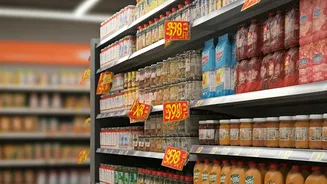
Across India, major fast-moving consumer goods (FMCG) companies have been rolling out price increases. Since April 2026, a broad sweep of price hikes has hit household budgets. Consumers are seeing prices for essentials like biscuits, edible oils, and
personal care items jump anywhere from 3% to as much as 15%. Companies such as Britannia, Hindustan Unilever (HUL), Marico, and Dabur have confirmed these increases, signalling that the era of stable snack prices is on pause for now. The increases are not just limited to premium brands; they are affecting everyday staples that are fixtures in millions of Indian households, making the weekly grocery bill a more significant concern.
The Recipe for Higher Prices
So, why are companies charging more? The primary driver is a sharp increase in input costs. The prices of key raw materials for the snack industry—including edible oils like palm oil, grains such as wheat, sugar, and even potatoes—have surged. This isn't just a local issue; geopolitical events have disrupted global supply chains, pushing up commodity prices worldwide. Compounding this is the rising cost of energy. Higher fuel prices mean it costs more to transport raw materials to factories and finished goods to stores, and these transportation costs are inevitably passed on to the consumer. Packaging, which often relies on crude oil derivatives, has also become more expensive, adding another layer to the final price tag.
Not Just Price Hikes: The 'Shrinkflation' Strategy
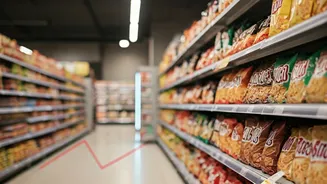
While raising the sticker price is the most direct approach, it's not the only one. Many companies are turning to a subtler strategy known as 'shrinkflation'. This is when the price of a product stays the same, but the quantity inside the packet gets smaller. You might still pay ₹10 for your favourite packet of chips or biscuits, but you're getting fewer grams for your money. This tactic is especially common for low-unit-price packs, where consumers are highly sensitive to even a small price increase. Companies like Dabur have openly stated they are reducing grammage on smaller packs to avoid breaching popular price points like ₹10 and ₹20, which are crucial for sales volumes in both urban and rural markets.
How Shoppers Are Responding
Indian consumers are famously value-conscious, and they are already adapting to the new pricing reality. Market trends show a clear shift in shopping habits. Many are now opting for smaller pack sizes to manage their household budgets more effectively, even if it means shopping more frequently. Demand for packs priced at ₹5 and ₹10 has seen a significant uptick. There is also a noticeable trend of consumers switching from national brands to more affordable regional or local players who may have a lower cost base. This price-check season is forcing a re-evaluation of brand loyalty, with affordability becoming the top priority for a growing number of families trying to stretch their monthly budgets.