






The Antioxidant Advantage
At the heart of the plum's elite status are its antioxidants. These are natural compounds that help protect your body’s cells from damage caused by harmful molecules called free radicals. This damage, known as oxidative stress, is linked to chronic diseases
like heart disease and diabetes, as well as general inflammation. Plums, and their dried counterparts, prunes, are particularly rich in a type of antioxidant called polyphenols. Studies have shown that these compounds have a positive effect across the body, helping to reduce inflammation and lower the risk of several chronic conditions.
A Rainbow of Powerful Compounds
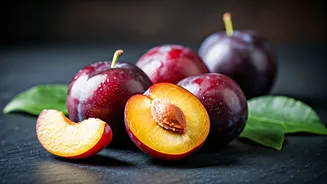
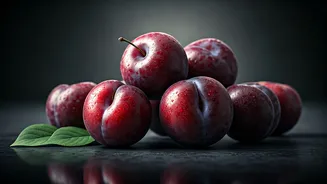
Not all antioxidants are created equal, and plums boast an impressive variety. The deep red, purple, and blue colours of many plum varieties come from anthocyanins, which are potent antioxidants. Research suggests these are some of the most active and beneficial compounds in the fruit. In fact, studies indicate that plums are richer in these protective compounds than similar stone fruits like peaches and nectarines. Beyond anthocyanins, plums also contain other important compounds like chlorogenic acid and quercetin, which have been studied for their anti-inflammatory and health-protective properties. This synergistic mix of bioactive substances is what makes the nutritional profile of plums so robust.
More Than Just a Sweet Treat
One of the most surprising benefits of sweet plums is their ability to help manage blood sugar. Despite their natural sweetness, plums do not cause a significant spike in blood sugar levels after eating them. This is partly due to their fiber content, which slows down the rate at which your body absorbs carbohydrates. Additionally, plums have been shown to potentially increase levels of adiponectin, a hormone that plays a key role in blood sugar regulation. Their low glycemic index makes them a great choice for satisfying a sweet craving without derailing your blood sugar stability.
From Bone Health to Brain Power
The benefits of plums extend to some of the body's most critical systems. Research has shown that regular consumption of prunes may help promote bone health, with some studies suggesting they can not only prevent bone loss but also potentially reverse it. While the exact reasons are still being explored, their antioxidant content and ability to reduce inflammation are thought to play a role. The same polyphenols that protect the body also seem to benefit the brain. Flavonoids in plums may improve brain health by relaxing blood vessels and improving blood flow, which has been linked to better memory and cognitive function.
Choosing Your Elite Fruit
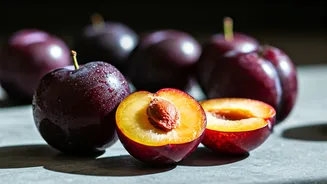
Plums are impressively nutritious, containing over 15 different vitamins and minerals in a low-calorie package. A single medium-sized plum has only about 30 calories but provides vitamins A, C, and K, along with minerals like potassium, phosphorus, and magnesium. When choosing plums, remember that the skin contains a high concentration of these beneficial antioxidants, so it's best to eat the whole fruit. The deep, rich colour of the skin is a good indicator of its high anthocyanin content. Whether you enjoy them fresh and juicy in the summer or dried as prunes year-round, incorporating plums into your diet is a delicious and easy way to leverage their elite nutritional benefits.