




From Bean to Bar: A New Philosophy
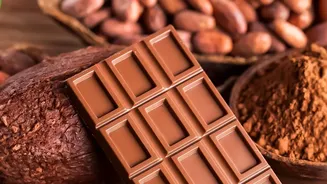
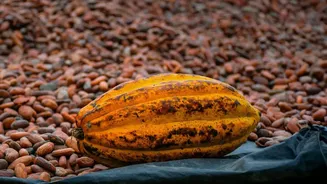
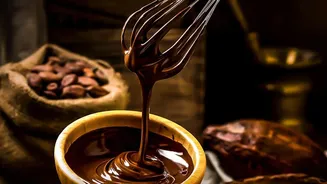
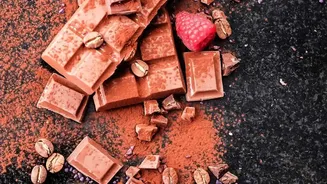
A growing movement of chocolatiers is embracing the ‘bean-to-bar’ model, which means they control the entire production process. Unlike large companies that often buy pre-processed chocolate, these makers handle everything from sourcing raw cacao beans
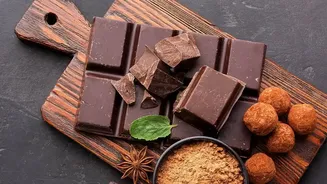
to roasting, grinding, and moulding the final bar. This meticulous approach allows them to preserve the unique character of the cacao, treating it less like a commodity and more like a fine wine. The result is chocolate that tells a story of its origin, a stark contrast to the uniform flavour of industrial bars. This hands-on method has fuelled a surge in artisanal brands, many of which have gained international acclaim for their quality and complexity.
The Terroir of South India
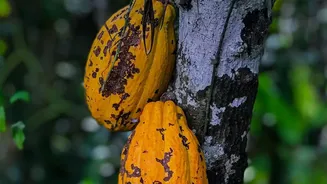
Cacao cultivation isn't new to India; its history dates back to the late 18th century. However, the focus on quality is a recent development. The southern states of Kerala, Karnataka, Tamil Nadu, and Andhra Pradesh provide the ideal tropical climate for cacao trees to thrive. These regions are now becoming known for their unique cacao 'terroir'—the way the specific soil, climate, and surrounding flora influence the flavour of the beans. Often grown as an intercrop alongside coconut, banana, or spices like pepper and cardamom, Indian cacao absorbs these aromatic influences. This results in beans with distinctive flavour profiles, often featuring fruity, spicy, or nutty notes that set them apart on the world stage.
The Artisans Behind the Craft
Several pioneering brands are leading this charge, primarily based in the South. Mason & Co, founded in Auroville, is one of India's earliest bean-to-bar makers, known for its organic and ethically sourced beans from across the region. In the Anamalai foothills, Soklet operates as a 'tree-to-bar' maker, controlling everything from the cultivation on their own plantations to the finished product. Kochi-based Paul and Mike focuses on fine-flavour beans sourced from farmers in Kerala and Andhra Pradesh, experimenting with unique Indian inclusions like sitaphal and jamun. Meanwhile, brands like Manam in Hyderabad and Bon Fiction in Andhra Pradesh are working closely with local farmers to improve post-harvest techniques and showcase the rich potential of Indian cacao.
More Than Just a Chocolate Bar
The impact of this movement extends beyond the wrapper. High-quality Indian chocolate is finding its way into the kitchens of top pastry chefs and restaurants, transforming the dessert menu. Its complex flavour profile offers a new palette for creating sophisticated cakes, mousses, and ganaches that were previously only possible with expensive imported chocolate. Home bakers, too, are discovering the difference that single-origin Indian chocolate makes in their creations. This shift is not just about elevating flavour; it's about building a sustainable ecosystem that supports local farmers, promotes ethical practices, and establishes a uniquely Indian identity in the world of luxury foods.