




An Invisible Problem Made Visible
Methane is a powerful greenhouse gas, trapping over 80 times more heat than carbon dioxide in its first 20 years in the atmosphere. It's responsible for about 30% of the global warming we experience today. A significant portion of these emissions comes
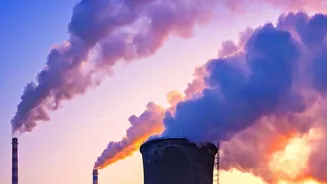
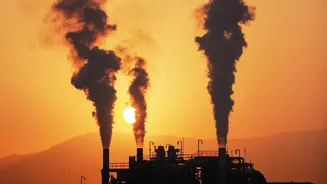
from the oil and gas industry through leaks, venting, and flaring. The core problem has always been one of visibility; self-reported emissions data from companies often vastly underestimates the reality. Studies have found that actual emissions in major production areas like the US Permian Basin can be more than double the official estimates, representing a massive amount of wasted gas and climate damage that went largely unverified.
The Technology: Eyes in the Sky
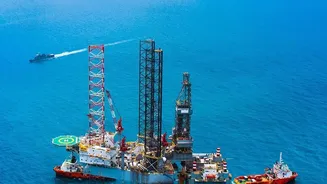
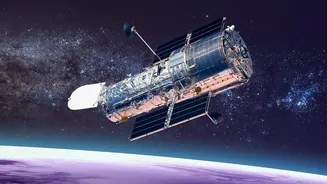
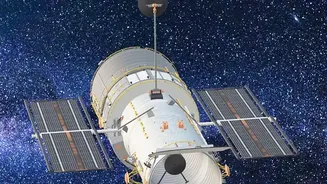
A new fleet of satellites is fundamentally changing this dynamic. Orbiting hundreds of kilometres above Earth, instruments on satellites like those from GHGSat, MethaneSAT, and various space agencies can now detect methane with remarkable precision. They work by using specialised spectrometers that measure how methane absorbs specific wavelengths of sunlight reflecting off the Earth's surface. More methane in the air creates a distinct 'fingerprint' of light absorption that the satellite can see. Some satellites provide broad, daily maps of methane concentrations, while others can zoom in on specific industrial sites with resolutions as fine as 25 meters, identifying individual leaks from pipelines, compressor stations, or even offshore platforms.
From Data to Direct Accountability
Data alone doesn't create change, but public transparency does. Initiatives like the UN's Methane Alert and Response System (MARS) and data platforms from groups like the Environmental Defense Fund make this satellite data accessible to the public, regulators, investors, and journalists. When a satellite detects a major plume, it can trigger a notification to the responsible company and government. This creates a powerful 'name and shame' mechanism. A recent study leveraging satellite data was able to identify the specific operators responsible for hundreds of 'super-emitter' events in the US. For energy majors, there is no longer anywhere to hide. The excuse of ignorance is eliminated when a third party has imagery of a massive leak originating from one of your facilities.
Shifting Corporate and Investor Behaviour
This new era of transparency is forcing a shift in corporate behaviour. The financial risks associated with methane emissions are becoming tangible. Investors are increasingly using this data to assess the environmental, social, and governance (ESG) performance of energy companies. A poor emissions record, now verifiable by satellite, can impact a company's valuation and access to capital. Furthermore, detecting a leak is also a business opportunity; every plume of methane is lost product that could have been sold. As a result, many companies are now investing in better monitoring and repair programs to get ahead of the problem, using satellite data to find and fix leaks faster, sometimes within days. This proactive stance helps them avoid regulatory fines, reputational damage, and financial losses.