





The Undisputed King: Bhutta
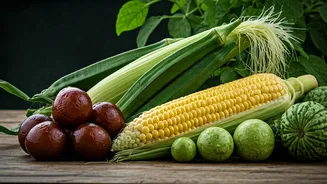
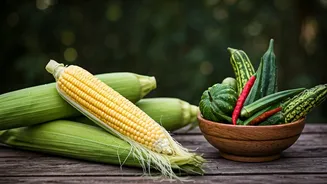
Nothing screams ‘monsoon’ quite like a freshly roasted ear of corn, or bhutta. As the skies turn grey, street vendors across the country fire up their portable coal stoves, the smoky aroma mingling with the rain-soaked air. The magic lies in its simplicity.
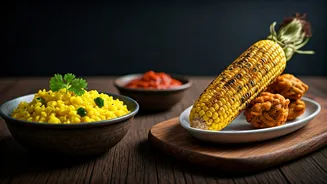
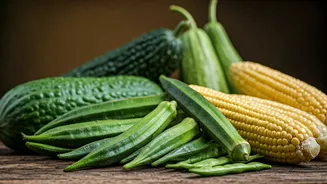
The corn is roasted until the kernels are tender and slightly charred, then vigorously rubbed with a slice of lemon dipped in a mix of salt, red chilli powder, and chaat masala. That combination of smoke, spice, and tang, enjoyed while huddled under an awning, is a core memory for millions. Whether you prefer the classic desi bhutta or the sweeter American corn, this humble snack is the official curtain-raiser for the season’s culinary delights.
The Inseparable Duo: Chai and Pakoras
If bhutta is the king, then chai and pakoras are the royal couple of the monsoon court. The sound of rain lashing against the windowpane is an unspoken signal to put the kettle on and the kadhai on the stove. These deep-fried fritters, made from a gram flour (besan) batter, are endlessly versatile. Onions, potatoes, spinach, paneer, and even bread slices are dunked and fried to golden-brown perfection. Served piping hot with a side of mint chutney or tangy ketchup, they are the ultimate comfort food. And what’s a plate of pakoras without a steaming cup of adrak-elaichi chai? The warm, spiced tea cuts through the richness of the fried snacks, creating a perfect balance that soothes the soul on a gloomy day. This isn't just a snack; it's a ritual.
The Humble Heroes: Gourds and Greens
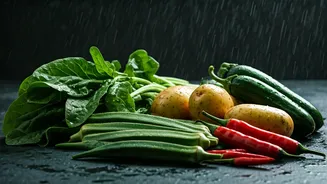
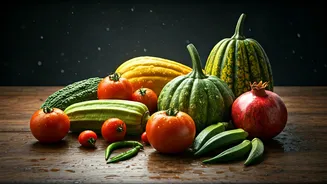
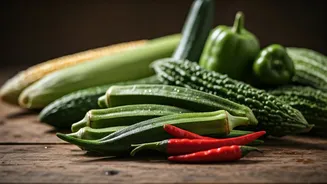
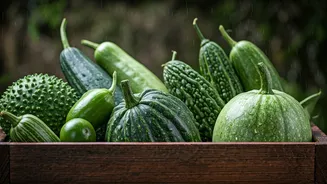
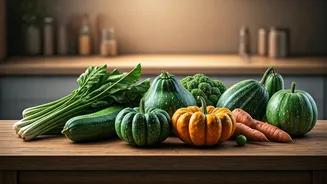
While snacks often steal the spotlight, the monsoon also revitalises our daily meals with a bounty of fresh vegetables. This is the season when gourds like lauki (bottle gourd), turai (ridge gourd), and karela (bitter gourd) thrive. Often unfairly maligned, these vegetables are transformed in Indian kitchens into light, wholesome, and flavourful sabzis and curries. A simple lauki sabzi with tomatoes and cumin feels nourishing and easy to digest, which is traditionally considered ideal for the season. Similarly, the monsoon brings an abundance of leafy greens like amaranth (chaulai) and certain varieties of spinach. Quickly stir-fried with a bit of garlic and chilli, they provide a much-needed dose of nutrients, proving that monsoon food is about more than just indulgence.
The Seasonal Jewel: Jamun
Long before imported berries became fashionable, the Indian monsoon had its own star fruit: the jamun, or Java plum. This small, deep-purple fruit is a fleeting seasonal treasure, available for just a few short weeks. Its flavour is a complex dance of sweet, sour, and astringent notes that is utterly unique. Eating a handful of jamun sprinkled with black salt is a quintessential childhood experience, one that inevitably leaves your tongue stained a vibrant shade of purple. Beyond being eaten fresh, the fruit is also used to make tangy chutneys, refreshing drinks, and even the popular health-tonic, jamun vinegar. Its arrival is a reminder of nature’s delicious and time-bound gifts.
The Comforting Classic: Khichdi
On days when the rain is relentless and all you want is a warm hug in a bowl, there is khichdi. This simple one-pot dish of rice and lentils is the epitome of comfort. During the monsoon, it’s often prepared with a little extra ginger and a generous dollop of ghee, ingredients believed to boost immunity and aid digestion. While the basic version is sublime, khichdi is also a canvas for seasonal additions. Throwing in some fresh peas or diced potatoes makes it even more wholesome. Served with a side of plain curd, pickle, and a crunchy papad, a bowl of hot khichdi is the perfect, restorative meal for a rainy evening, proving that the best kitchen favourites are often the simplest.