




The High Wall of Taxes: Understanding CBU vs CKD
For years, the biggest hurdle for premium bike enthusiasts in India hasn't just been the ex-showroom price, but the steep import duties stacked on top. These bikes typically arrive in India via two main routes: as a Completely Built-Up (CBU) unit or as Completely Knocked-Down
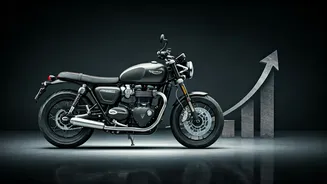
(CKD) kits. A CBU is a motorcycle imported in a ready-to-ride state, and it attracts the highest level of customs duty, which has historically been as high as 100%. This is why a bike that costs a certain amount in Europe or the US can nearly double in price by the time it hits an Indian showroom. To navigate this, many manufacturers like Triumph and Harley-Davidson opted for the CKD route. They import the bike in parts and assemble it locally, which attracts a much lower tax rate, around 10-15%. This strategy has made many premium bikes accessible, but the most exclusive, top-of-the-line models often still land here as CBUs, keeping them in a super-luxury price bracket.
Trade Winds of Change: FTAs Promise Relief
The big news for 2026 is the implementation of new Free Trade Agreements (FTAs) that promise to dismantle this high-tax wall, at least partially. Two key agreements are set to change the game. The India-UK FTA, scheduled to take effect from July 15, 2026, will see import duties on British-made vehicles, including motorcycles, fall drastically. Similarly, an India-US trade deal finalised in early 2026 specifically targets motorcycles, with a provision to eliminate import duties entirely for certain American bikes. These aren't just minor tweaks; they represent a fundamental shift in policy, largely driven by years of negotiations and a push from global brands for better market access. For British brands like Triumph and Norton, and American icons like Harley-Davidson and Indian Motorcycle, this is a landmark development.
What a Price Cut Could Actually Look Like
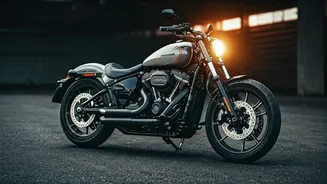
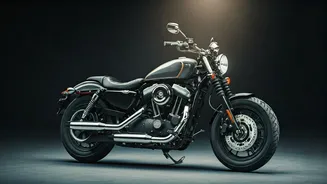
The most exciting part for buyers is the direct impact on price tags. Under the India-UK FTA, duties are expected to be reduced in phases, potentially dropping from over 100% to as low as 10% for some vehicles under a quota system. While specifics for every motorcycle model are yet to be announced, the deal for cars offers a clue: duties on high-end vehicles will drop to 30% in the first year alone. For American bikes, the change is even more dramatic. The India-US agreement includes a provision for zero import duties on motorcycles with engine capacities between 800cc and 1600cc, effective immediately upon implementation. This means a CBU Harley-Davidson model that currently has its price inflated by duties could see a massive correction. A price reduction of 20-30% on these bikes is a realistic expectation, which on a machine costing ₹20-40 lakh, translates to savings of several lakhs.
The Big Question: To Buy Now or Wait?
This leads to the crucial dilemma for anyone in the market today: should you buy now or wait for these changes to take effect? The case for waiting is strong. With the India-UK FTA rolling out in July 2026, price revisions for British bikes are imminent. For those eyeing an American cruiser, the zero-duty deal makes waiting almost a no-brainer. However, there are caveats. The FTAs mention a quota-based system, meaning only a fixed number of vehicles per year will be eligible for the lower duties. This could mean initial stock is limited. Furthermore, while the India-UK and India-US deals are confirmed, a similar comprehensive agreement with the EU, which would benefit brands like Ducati, BMW Motorrad, and KTM, is still in the works. The best advice for a prospective buyer is to stay informed. Watch for official announcements from the manufacturers themselves post-July 15. If your dream bike is from a British or American brand, a little patience could lead to substantial savings.